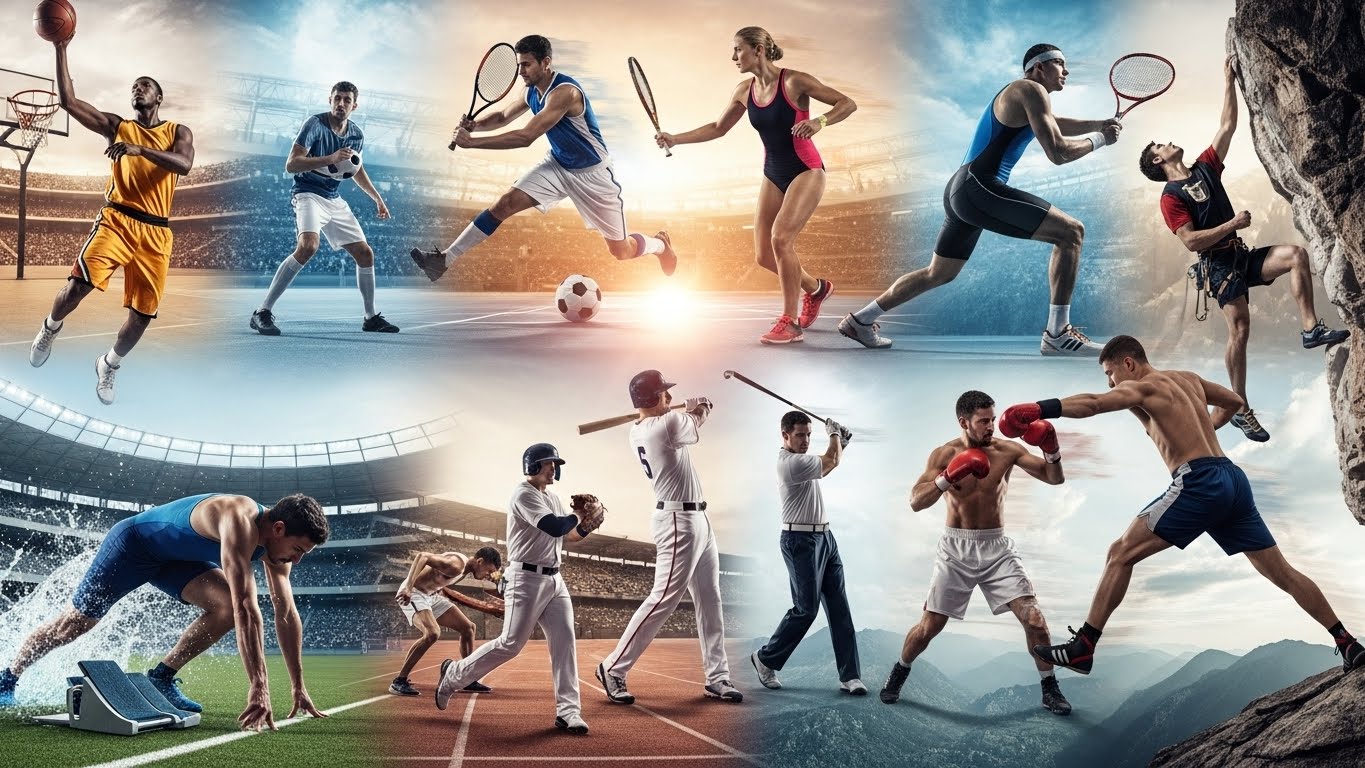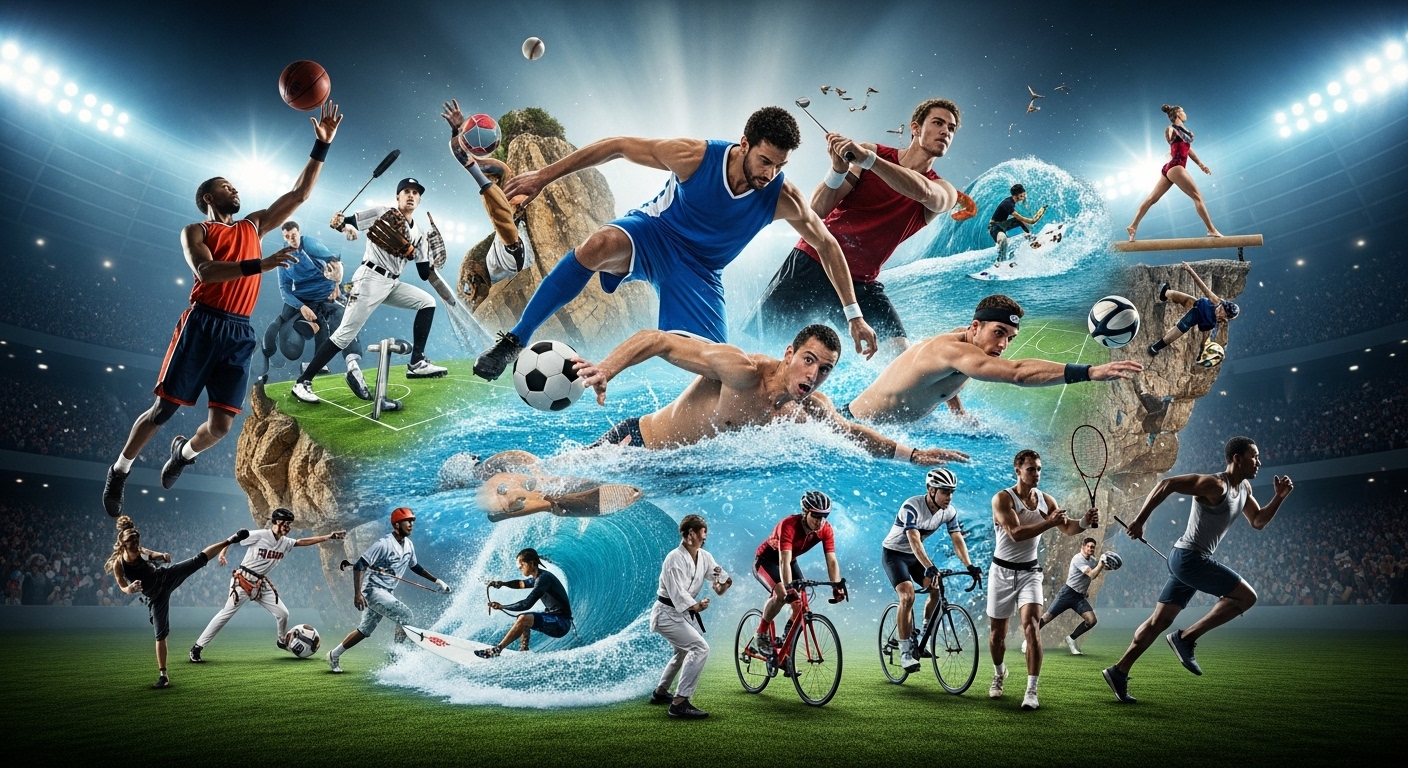
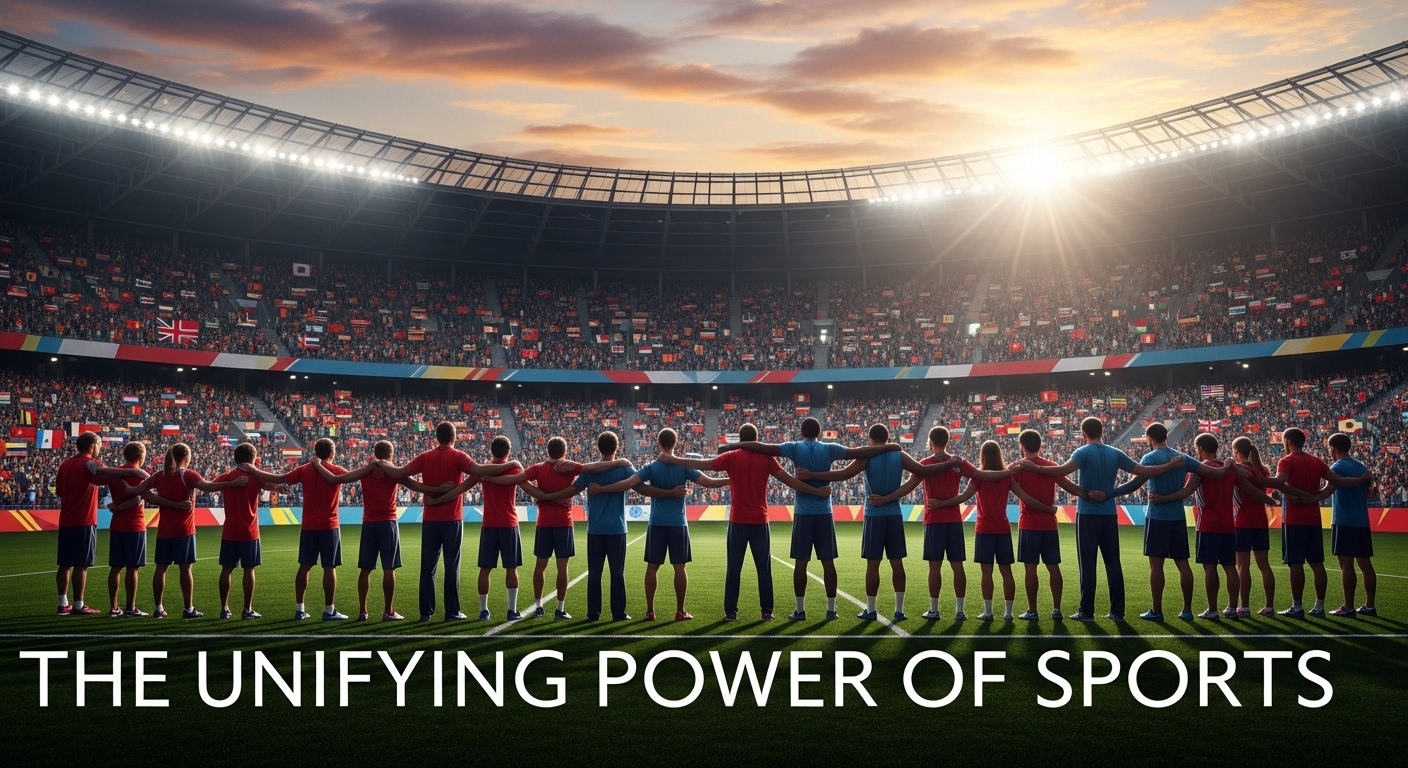
Sports are an integral part of human culture, transcending borders, languages, and generations. From the adrenaline-pumping moments of professional leagues to the casual games played in backyards, sports have a unique way of connecting people, fostering teamwork, and promoting physical and mental well-being. But sports are more than just competition; they are a reflection of society, a platform for personal growth, and a source of inspiration for millions around the globe.
The History of Sports: From Ancient Times to Modern Era
Sports have existed since ancient civilizations, evolving alongside human society. Ancient Egypt, Greece, and Rome were all known for their athletic competitions, which were often tied to religious rituals or public entertainment. The Olympic Games of ancient Greece, for example, were not just about athletic prowess—they celebrated human potential and unity among city-states.
In medieval times, sports often took the form of tournaments, jousts, and folk games, primarily enjoyed by royalty or local communities. The Industrial Revolution and urbanization later paved the way for organized sports as we know them today, with formal rules, leagues, and international competitions. This evolution reflects society’s growing appreciation for athletic skill, teamwork, and fair competition.
Popular Sports Around the World
While countless sports exist, some have achieved global recognition due to their popularity, accessibility, and cultural significance.
Soccer (Football)
Soccer, or football as it is known outside the United States, is the world’s most popular sport. Its simplicity—requiring just a ball and a space to play—has made it accessible to millions. The FIFA World Cup, held every four years, is a testament to soccer’s ability to unite nations. Legendary players like Pelé, Diego Maradona, and Lionel Messi have become icons, inspiring new generations to pursue their dreams.
Basketball
Basketball, invented in 1891 by Dr. James Naismith, has grown from a small indoor game to a global phenomenon. The NBA, the premier professional league, has transformed basketball into a cultural and commercial powerhouse. Beyond the professional level, basketball encourages teamwork, discipline, and strategic thinking, making it a favorite among schools and communities worldwide.
Cricket
Cricket is particularly significant in countries like India, Pakistan, England, and Australia. The sport’s multiple formats—Test matches, One Day Internationals, and T20—allow for varied strategies and entertainment styles. Cricket’s impact extends beyond the pitch, influencing culture, politics, and social interactions, especially in nations where it holds a near-religious following.
Tennis
Tennis, with its combination of agility, endurance, and precision, has produced legendary athletes like Roger Federer, Serena Williams, and Rafael Nadal. Grand Slam tournaments such as Wimbledon and the US Open highlight the sport’s global appeal, showcasing skill, mental fortitude, and sportsmanship.
Other Notable Sports
Sports like swimming, athletics, rugby, and gymnastics also hold significant appeal, each requiring unique physical abilities and offering distinct challenges. Extreme sports such as surfing, skateboarding, and rock climbing push human limits and attract a niche but passionate audience.
The Physical and Mental Benefits of Sports
Engaging in sports provides numerous physical benefits. Regular participation improves cardiovascular health, builds muscle strength, enhances flexibility, and reduces the risk of chronic diseases. Beyond physical health, sports play a crucial role in mental well-being. Exercise releases endorphins, reduces stress, and improves focus and cognitive abilities.
Sports also cultivate essential life skills. Team sports, for instance, teach collaboration, communication, and leadership. Individual sports encourage self-discipline, perseverance, and goal-setting. These skills translate beyond the playing field, aiding personal and professional growth.
Sports as a Cultural Phenomenon
Sports are more than games—they are deeply intertwined with culture and identity. In many countries, sports serve as a symbol of national pride and unity. The Olympics, for example, brings together athletes from all nations, celebrating diversity, talent, and cooperation. Similarly, football rivalries, such as those between Barcelona and Real Madrid, are steeped in historical, social, and regional significance.
Sports also influence entertainment, fashion, and media. Athletic brands like Nike and Adidas are cultural icons, while sports personalities often shape social trends and inspire charitable initiatives. The rise of sports documentaries, eSports, and live streaming further emphasizes the cultural impact of athletic endeavors.
Women in Sports: Breaking Barriers
Historically, women faced significant challenges in accessing sports opportunities, often due to societal norms and institutional barriers. Over time, female athletes have made remarkable strides, proving their talent and resilience. Icons like Serena Williams, Megan Rapinoe, and Simone Biles have not only achieved extraordinary feats but also become advocates for gender equality in sports.
The inclusion of women in major sporting events, increased media coverage, and grassroots initiatives are gradually reshaping perceptions and providing equitable opportunities. Today, women’s sports continue to gain popularity, inspiring future generations of girls to pursue athletic excellence.
The Role of Technology in Modern Sports
Technology has transformed sports in multiple ways, from performance enhancement to audience engagement. Wearable devices track biometrics, helping athletes optimize training and prevent injuries. Advanced analytics provide coaches with data-driven insights, improving strategy and decision-making.
Broadcasting innovations and social media have also changed how fans consume sports. Live streaming, instant highlights, and interactive content allow fans to engage with their favorite athletes and teams like never before. Technology has not only enhanced performance but also deepened the connection between sports and society.
Sportsmanship: Beyond Winning
While victory is often celebrated, true sportsmanship transcends the scoreboard. Respect for opponents, adherence to rules, and grace in both victory and defeat define the essence of sports. Legendary moments in sports history are not just about winning titles but also about acts of integrity, teamwork, and resilience.
Teaching sportsmanship at the youth level fosters ethical behavior, empathy, and humility. It reminds us that sports are a vehicle for personal growth and community building, not merely a contest of strength or skill.
The Economics of Sports
Sports also have a significant economic dimension. Professional leagues, merchandise sales, sponsorships, and ticketing generate billions of dollars worldwide. Major sporting events stimulate local economies through tourism, infrastructure development, and employment opportunities.
However, the commercialization of sports comes with challenges. Ethical issues such as doping, match-fixing, and unequal pay must be addressed to maintain the integrity of the games. Balancing profit with the values of fair competition and accessibility remains a critical concern for sports administrators.
Inspiring Stories from the World of Sports
Sports are filled with stories of determination, resilience, and triumph. Consider athletes who overcome injuries, personal hardships, or social obstacles to reach the pinnacle of their careers. These narratives inspire millions, demonstrating the power of perseverance and the human spirit.
For example, athletes who return to compete after career-threatening injuries teach us about resilience, while those advocating for social justice use their platforms to drive meaningful change. Such stories illustrate that sports can be a catalyst for both personal and societal transformation.
The Future of Sports
The future of sports promises exciting developments. Emerging technologies like virtual reality may redefine training and fan experiences. eSports and digital competitions are gaining legitimacy, attracting younger audiences and new markets. Sustainability initiatives in sports are addressing environmental concerns, promoting eco-friendly stadiums, and reducing the carbon footprint of major events.
Moreover, inclusivity and diversity are expected to play a larger role. Programs promoting access to sports for people with disabilities, marginalized communities, and women are gaining momentum, ensuring that sports remain a universal and unifying force.
Conclusion: The Enduring Appeal of Sports
Sports are much more than games—they are a reflection of human ambition, creativity, and resilience. They bring communities together, teach essential life skills, and inspire awe through extraordinary feats of talent and determination. From ancient arenas to modern stadiums, the love for sports continues to grow, crossing borders and generations.
In essence, sports remind us of the beauty of human potential. Whether through the thrill of competition, the joy of teamwork, or the pursuit of personal excellence, sports offer experiences that enrich our lives and shape our world. They are, undeniably, a universal language that celebrates the best of humanity.