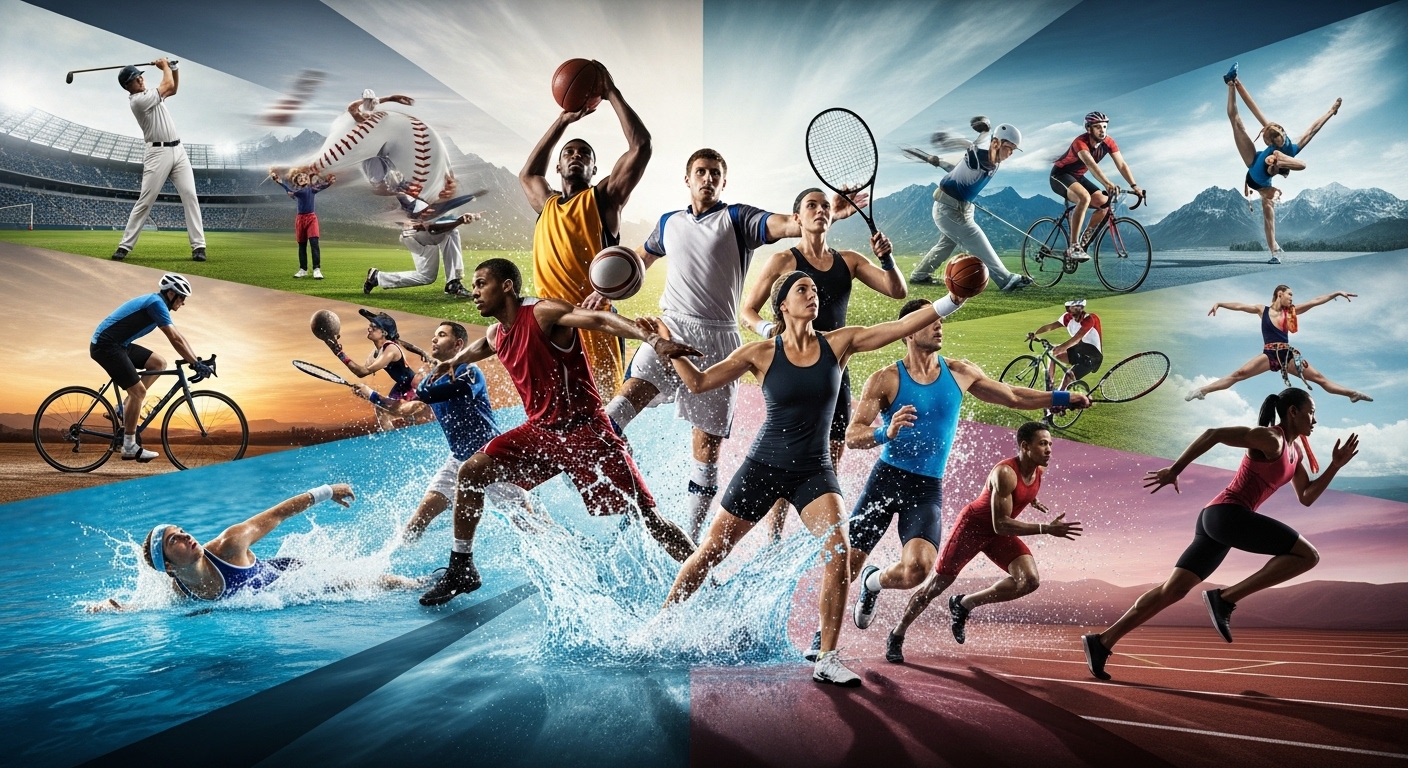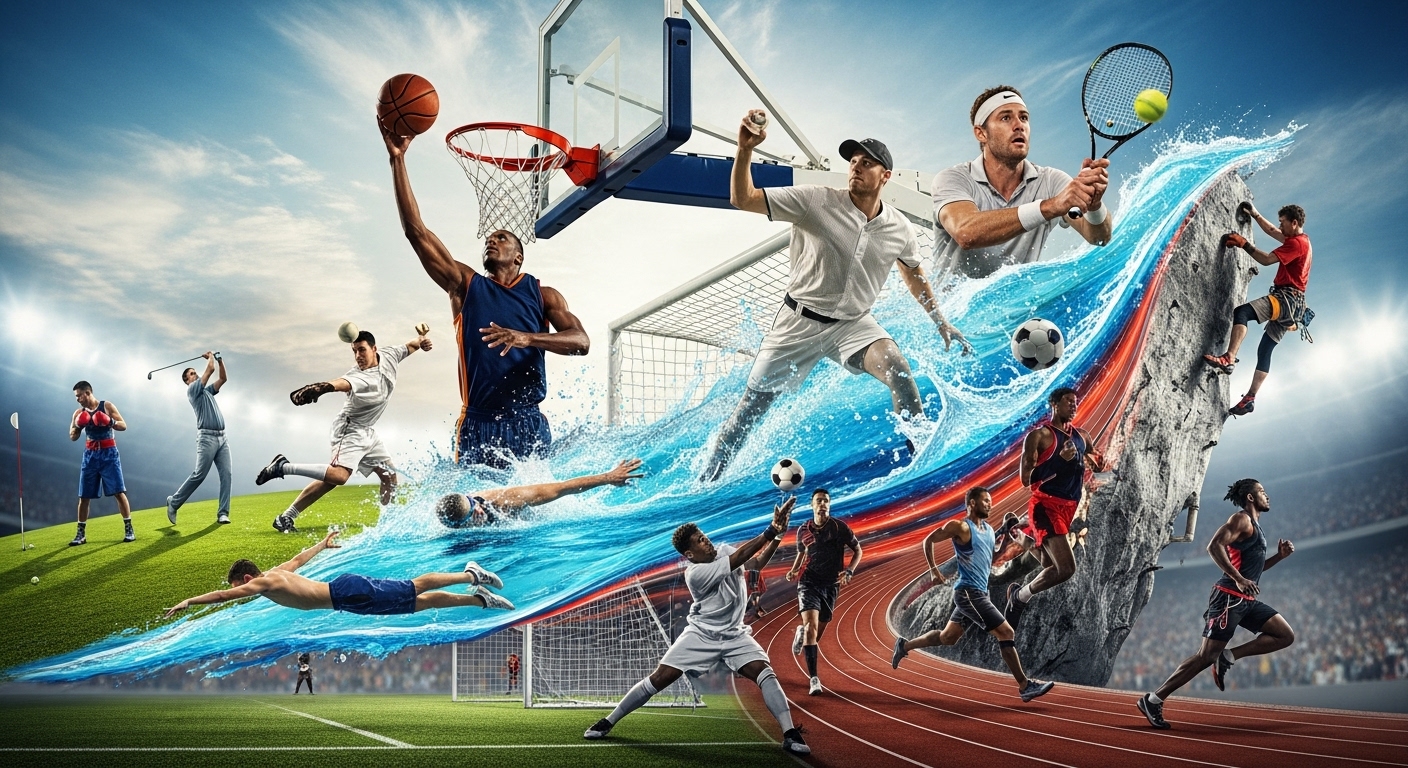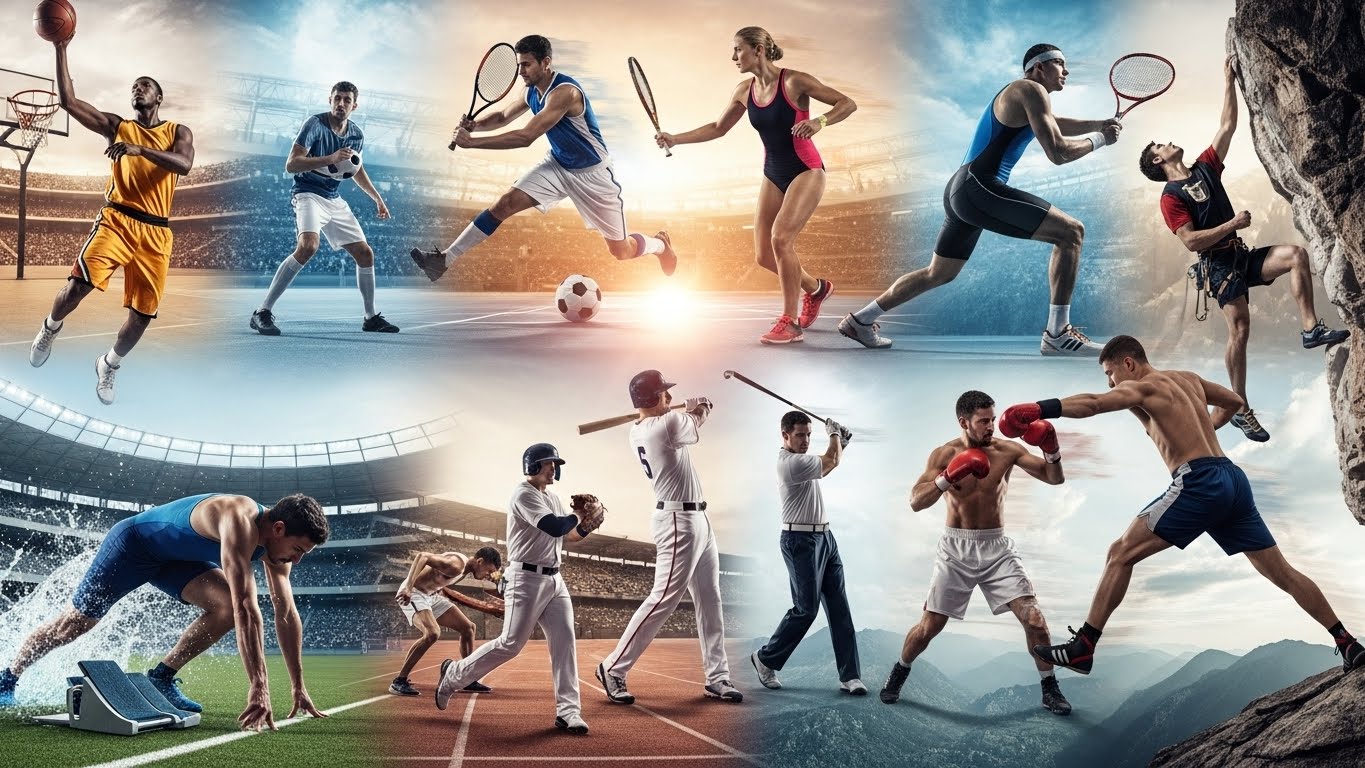
Sports have been a vital part of human civilization since the dawn of time. From the ancient Olympic Games of Greece to the modern-day FIFA World Cup, sports have captured hearts, inspired nations, and built bridges across cultures. They are more than just a contest of physical skill; sports are a universal language of unity, ambition, resilience, and joy. In a world that often seems divided by differences, sports remind us of what connects us—our shared love for challenge, competition, and triumph.
This blog explores the significance of sports in shaping human life, their evolution through history, the emotional and social impact they carry, and their role in today’s fast-paced, digital era. Sports are not just games—they are powerful expressions of humanity.
The Origins and Evolution of Sports
The concept of sports dates back thousands of years, long before formal rules or organized teams existed. In early human societies, physical contests were often a means of survival. Hunting, running, wrestling, and throwing were not just forms of recreation—they were essential life skills. Over time, these activities evolved into structured competitions, giving rise to what we now call sports.
Ancient civilizations recognized the importance of physical strength and endurance. The Greeks, for instance, held the first Olympic Games in 776 BC, celebrating athletic excellence and honoring the gods. The Romans introduced gladiatorial games, which combined combat, courage, and spectacle. In China, martial arts and archery became deeply rooted traditions. Indigenous tribes across Africa and the Americas also had their own forms of physical contests, many of which symbolized bravery and spiritual power.
As humanity advanced, so did the organization of sports. The Industrial Revolution in the 18th and 19th centuries provided new leisure time for the working class, leading to the creation of modern sports like football, cricket, baseball, and rugby. The 20th century saw an explosion of international sporting events—Olympics, World Cups, and professional leagues—that transformed athletes into global icons and sports into a multi-billion-dollar industry.
The Spirit of Competition and the Human Drive to Excel
At its core, sports embody the human desire to improve, to push limits, and to achieve greatness. Every athlete, whether professional or amateur, engages in a constant battle with both external opponents and inner challenges. Sports teach discipline, perseverance, and humility—the realization that success is never guaranteed, and failure is not the end.
Competition fuels motivation. When two teams step onto a field or two runners line up at the start of a race, they represent not just themselves but the effort, dedication, and dreams of everyone who trained alongside them. Winning brings pride, but the process of striving to win is what truly defines an athlete. The hours of training, the sacrifices made, and the mental resilience built through hardship—these are the invisible victories that every sportsperson carries.
This spirit of competition is deeply human. It mirrors life itself, where every challenge is a race against time, uncertainty, and self-doubt. Sports remind us that progress is born from struggle, that glory is earned through effort, and that even in defeat, there is dignity.
The Role of Sports in Society and Culture
Sports are more than entertainment; they are a reflection of cultural identity and collective pride. Nations rally behind their teams, finding in them symbols of hope and unity. A victory on the field can lift the morale of an entire country. Consider how South Africa’s win in the 1995 Rugby World Cup became a unifying moment after decades of apartheid, or how the success of the Indian cricket team brings together people across regions, languages, and religions.
Sports also influence art, fashion, and language. Jerseys, chants, and traditions become cultural artifacts. Songs are written for teams, cities are decorated with team colors, and everyday conversation often revolves around the latest match or athlete performance. Sports have an unparalleled power to create shared experiences that transcend age, background, and belief.
In many countries, sports have become tools of diplomacy. The term “sports diplomacy” describes how athletic events foster peaceful relations between nations. The Olympics, for example, stand as a global symbol of friendship, where athletes from around the world compete under the same spirit of fairness and respect. Sports remind us that while nations may differ in politics or culture, the pursuit of excellence and honor is universal.
The Emotional Connection Between Fans and Sports
Few things ignite emotion as powerfully as sports. The roar of a crowd, the tension of a close game, the tears of victory or defeat—all form a collective emotional journey. Fans live through their teams, experiencing triumph and heartbreak as if they were part of the game themselves.
This emotional investment often begins at a young age, when a child picks a favorite team or idolizes a star athlete. Over time, it becomes part of their identity. Supporting a team provides a sense of belonging, community, and continuity. Whether watching at home or cheering in a packed stadium, fans find joy in the shared thrill of unpredictability. Every match is a story unfolding in real time—one where the ending is unknown and hope never fades until the final moment.
Sports can also offer emotional healing. They provide an escape from daily stress, a reason to gather with friends and family, and a reminder of simple, passionate human joy. In times of crisis or tragedy, a single game can bring comfort and unity to millions.
The Influence of Technology on Modern Sports
The digital revolution has reshaped sports in profound ways. Technology has enhanced not only the performance of athletes but also the experience of fans. From advanced analytics to wearable sensors, data now plays a crucial role in understanding and improving athletic performance. Coaches can monitor heart rates, speed, fatigue, and even psychological readiness in real time, allowing for smarter training and injury prevention.
Broadcast technology has made sports accessible to global audiences. Fans can watch games live from anywhere in the world, connect through social media, and engage in real-time discussions. Virtual reality, augmented reality, and high-definition broadcasting have turned sports into immersive experiences, allowing viewers to feel closer to the action than ever before.
E-sports, a new frontier of digital competition, has further expanded the definition of what sports can be. Millions now watch professional gamers compete in virtual arenas with the same passion once reserved for traditional sports. The rise of e-sports shows how competition, teamwork, and entertainment can transcend physical boundaries.
However, technology also brings challenges—issues of fairness, doping detection, data privacy, and the commercialization of athletes’ personal lives. The balance between innovation and integrity remains an ongoing debate in the sporting world.
The Economic Power of Sports
Sports today represent one of the most powerful sectors of the global economy. Major events such as the Olympics, FIFA World Cup, and Super Bowl generate billions in revenue, drive tourism, and create jobs. Stadiums, sponsorships, broadcasting rights, and merchandise all contribute to a vast financial ecosystem that connects brands, media, and fans.
For athletes, sports can provide not only fame but also financial stability. Yet, this same system can also produce inequality, where only a small percentage of athletes earn immense wealth while many struggle for recognition. The commercialization of sports has both positive and negative consequences—it funds infrastructure and development but can also prioritize profit over passion.
Nonetheless, the economic impact of sports cannot be underestimated. Local communities benefit from sporting events through increased tourism and business. Youth programs funded by sports organizations create opportunities for underprivileged children, using the power of play to open doors to education and empowerment.
The Role of Sports in Education and Youth Development
Sports play a crucial role in shaping young minds and bodies. Schools and colleges that encourage physical education are not just building athletes but nurturing character. Through sports, children learn teamwork, discipline, leadership, and resilience—qualities that carry into every aspect of life.
Participation in sports teaches valuable lessons about hard work, goal-setting, and fair play. It builds confidence and helps children develop social skills. Team sports foster cooperation and communication, while individual sports teach self-reliance and focus. The sense of accomplishment that comes from mastering a skill or winning a match can significantly boost self-esteem.
Moreover, sports provide a constructive outlet for energy and emotion. They can prevent negative behaviors, promote healthy lifestyles, and teach respect for rules and authority. For many students, sports scholarships provide access to higher education, proving that athletic talent can open doors to broader opportunities.
In an age where screen time dominates childhood, encouraging participation in sports is more important than ever. Physical activity not only strengthens the body but also enhances mental well-being, improving concentration, reducing anxiety, and promoting overall happiness.
The Role of Women in Sports: Breaking Barriers and Inspiring Generations
Historically, women faced immense barriers in sports, limited by social norms and lack of opportunity. For centuries, competitive sports were considered the domain of men. Yet, the past century has witnessed an extraordinary transformation. From pioneers like Billie Jean King and Serena Williams in tennis to Simone Biles in gymnastics and Megan Rapinoe in football, women athletes have redefined excellence and courage.
Women’s sports have gained global recognition and growing audiences. The achievements of female athletes inspire millions of girls to dream big and challenge stereotypes. Equal pay, representation, and media coverage remain ongoing struggles, but progress continues as society acknowledges the power and potential of women in all arenas.
The empowerment of women through sports is not just about fairness; it is about balance and inclusion. Sports teach that strength, determination, and leadership are not gendered traits—they are human qualities. Every woman who steps onto a field or track carries the legacy of those who fought for the right to compete, reminding the world that talent knows no boundaries.
Sports and Health: A Lifelong Partnership
The connection between sports and health is undeniable. Regular physical activity strengthens the heart, improves circulation, boosts immunity, and enhances mental health. Engaging in sports reduces the risk of chronic diseases like obesity, diabetes, and hypertension. It also promotes better sleep, energy levels, and overall longevity.
Beyond the physical benefits, sports contribute to emotional well-being. Exercise releases endorphins—the body’s natural mood enhancers—reducing stress and depression. Group sports encourage social interaction and a sense of belonging, combating loneliness and isolation.
For adults, maintaining involvement in sports, even recreationally, helps preserve agility, strength, and mental sharpness. For the elderly, low-impact sports like swimming, golf, or yoga can improve mobility and quality of life. Sports thus serve as a lifelong companion in maintaining both body and mind.
The Globalization of Sports and the Future Ahead
In today’s interconnected world, sports transcend borders like never before. Global leagues, international players, and online fan communities have made sports a truly worldwide phenomenon. Athletes become ambassadors of their nations, and fans support teams thousands of miles away. This globalization has fostered cultural exchange, mutual respect, and shared passion.
However, it also introduces complex questions—about identity, commercialization, and fairness. Issues like player migration, corruption, and the exploitation of young talent remind us that even the purest forms of competition must be guarded with integrity.
The future of sports is likely to be shaped by technology, inclusivity, and sustainability. Artificial intelligence and data analytics will further enhance performance analysis. Virtual and augmented reality will revolutionize fan engagement. There is growing emphasis on making sports environmentally responsible, reducing waste, and using sustainable materials in events and gear.
Inclusivity will continue to expand, with more opportunities for athletes of all genders, abilities, and backgrounds. The Paralympic movement, for example, stands as a beacon of resilience and equality, showcasing that limitations exist only in the mind.
The Unifying Power of Sports
Perhaps the most beautiful aspect of sports is their ability to unite people. When a nation celebrates a victory, differences fade—religion, politics, and class become secondary to the shared feeling of pride. In stadiums, strangers embrace; in streets, voices rise in harmony. Sports teach us that unity is possible, even in a world often divided by conflict.
This unifying power has been demonstrated time and again. The 2018 World Cup brought together fans from across the globe, celebrating diversity under one banner of fair play. The Olympic torch, carried from one continent to another, symbolizes not only athletic excellence but the enduring spirit of peace and humanity.
Sports have the rare ability to make people feel alive, connected, and inspired. They remind us that greatness is not about individual glory but collective spirit—the cheering crowd, the supportive teammates, and the shared dream that anything is possible.
Conclusion: Why Sports Will Always Matter
Sports are an eternal thread woven through the fabric of human life. They reflect our struggles, our hopes, and our triumphs. Whether played in a dusty village field or a billion-dollar stadium, the essence remains the same—a test of courage, skill, and heart.
They teach us discipline, resilience, teamwork, and humility. They inspire unity in diversity, encourage healthy living, and foster the pursuit of excellence. In every athlete’s sweat, in every fan’s cheer, in every child’s first kick of a ball—sports remind us of what it means to be human.
As technology evolves and society changes, sports will continue to adapt, but their core purpose will remain timeless: to bring joy, challenge limits, and celebrate the indomitable spirit of humankind. Sports are not just games; they are stories of life itself—a living proof that when passion meets perseverance, anything is possible.