Introduction: The Essence of Sports
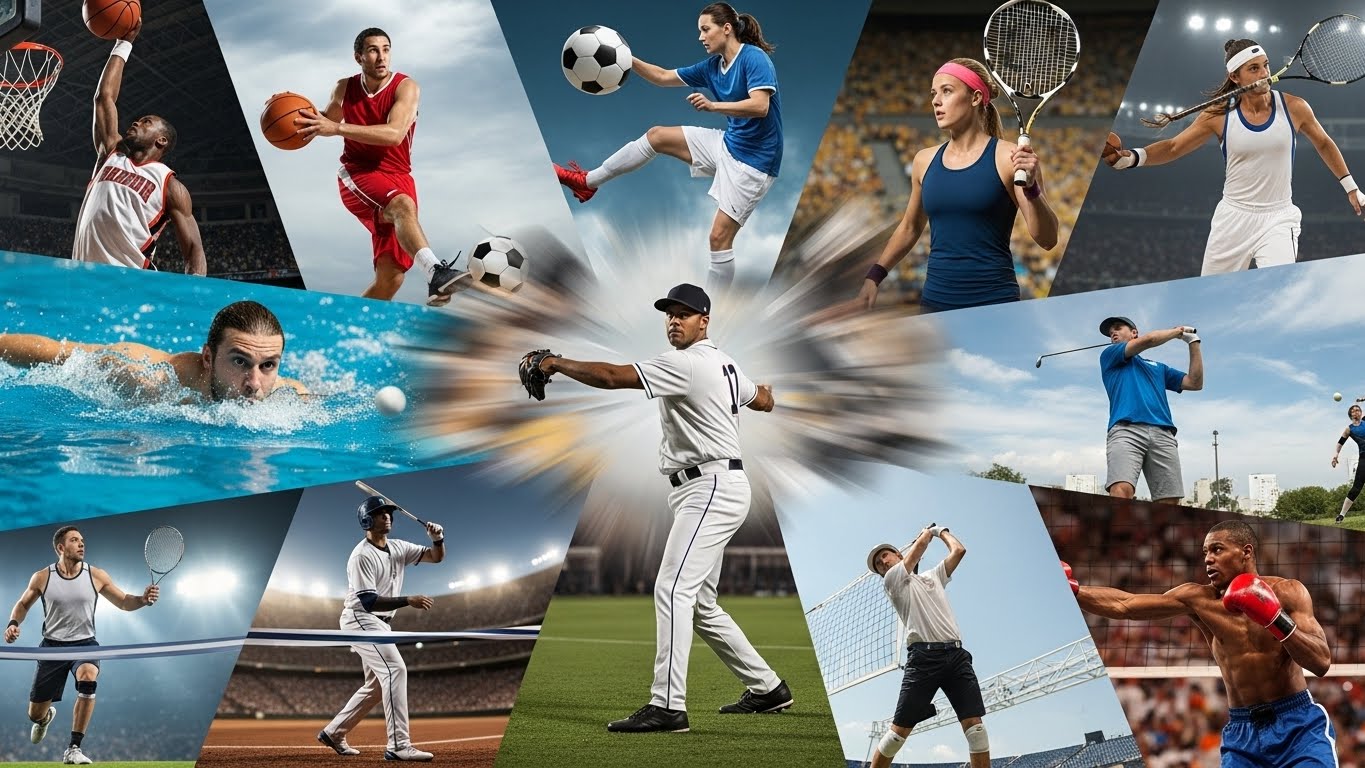
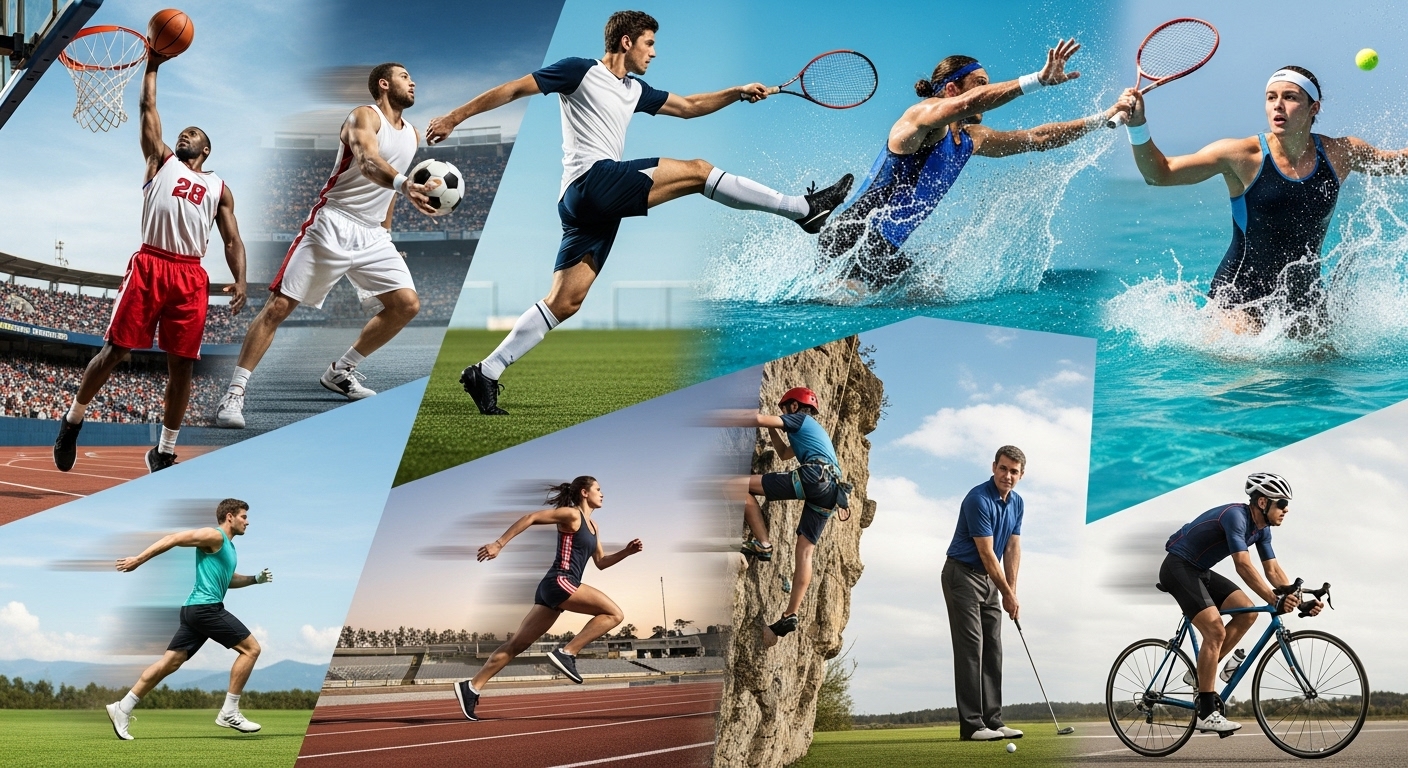
Sports have been a part of human culture for centuries, transcending boundaries of geography, language, and social status. They are more than games; they are a reflection of human resilience, passion, and creativity. From informal street matches to grand international tournaments, sports have a universal appeal that unites people across generations. The excitement, strategy, and emotions experienced during sports competitions illustrate not just physical skill, but also mental strength and social connection.
A Journey Through History
The roots of sports date back to ancient civilizations. The Greeks introduced the Olympic Games to celebrate physical excellence and honor the gods. In ancient Rome, gladiatorial contests showcased courage and strategy, while medieval Europe witnessed jousting tournaments that highlighted discipline and honor. Over time, sports evolved from ceremonial or entertainment events to structured competitions that foster community pride and national identity. Modern sports carry the legacy of history, combining tradition with innovation.
Physical Benefits of Playing Sports
Participation in sports provides extensive physical benefits. Regular activity enhances cardiovascular health, strengthens muscles, improves flexibility, and aids in weight management. Endurance-based sports such as running, swimming, and cycling improve stamina, while strength-focused sports like weightlifting and wrestling build muscle tone. Beyond physical fitness, consistent involvement in sports also supports long-term health by reducing risks of chronic conditions such as diabetes, heart disease, and obesity.
Mental and Emotional Benefits
Sports are equally beneficial for mental well-being. Engaging in physical activity releases endorphins, which reduce stress and elevate mood. Athletes learn discipline, patience, and perseverance through continuous practice and competition. Sports also enhance cognitive skills such as focus, problem-solving, and decision-making. The emotional highs of winning and the resilience developed through losses contribute to emotional maturity, teaching individuals how to manage success and failure with grace.
Life Lessons Through Sports
Beyond health, sports are invaluable teachers of life skills. Team sports like football, basketball, and cricket encourage collaboration, communication, and conflict resolution. Players develop empathy and learn to trust one another while working toward a shared goal. Individual sports such as tennis, athletics, or swimming foster self-motivation, time management, and goal-setting. These skills extend into personal and professional life, helping individuals navigate challenges, build relationships, and achieve aspirations.
Sports and Social Connection
Sports bring people together. Fans unite to support their teams, sharing joy in victories and solace in defeats. Community sports programs create inclusive spaces where individuals from diverse backgrounds can interact, promoting mutual respect and understanding. On a larger scale, international competitions like the World Cup or the Olympics foster cultural exchange and global unity. In every corner of the world, sports serve as a bridge between communities, fostering solidarity and friendship.
Economic Impact of Sports
Sports contribute significantly to the global economy. Professional leagues, tournaments, and sporting events generate revenue through ticket sales, sponsorships, broadcasting, and merchandise. Local economies benefit from tourism associated with major sporting events, creating jobs and supporting businesses. Additionally, sports encourage career opportunities in coaching, training, administration, media, and healthcare, emphasizing that sports are not only a source of entertainment but also a crucial economic driver.
Technology and Modern Sports
Advancements in technology have transformed how sports are played, analyzed, and viewed. Wearable devices track athlete performance, providing data on heart rate, speed, and endurance. Video analysis helps players improve techniques, while instant replay ensures fair decisions during competitions. Virtual reality and online streaming bring immersive experiences to fans worldwide. Technology has not only enhanced performance but also increased accessibility and engagement, making sports more inclusive and enjoyable for participants and spectators alike.
The Role of Women in Sports
Women’s participation in sports has grown exponentially in recent decades. Female athletes break barriers, challenge stereotypes, and inspire future generations. From athletics to team sports, women demonstrate strength, skill, and resilience. Increased visibility and recognition for women’s sports have fostered gender equality and encouraged young girls to pursue athletic ambitions. Supporting women in sports ensures a more diverse and equitable sporting landscape, celebrating talent and determination regardless of gender.
Youth Engagement and Development
Engaging young people in sports is critical for physical, mental, and social development. Sports programs in schools and communities promote healthy habits, discipline, and teamwork. They offer constructive ways for youth to channel energy, build self-esteem, and develop leadership skills. Mentorship from coaches and experienced athletes helps children navigate challenges and set goals. Early exposure to sports cultivates a lifelong appreciation for fitness, competition, and community involvement.
Globalization of Sports
In today’s interconnected world, sports transcend borders. International competitions showcase talent and foster global camaraderie. Fans follow leagues and players from distant countries, creating cultural exchanges and shared experiences. The globalization of sports has also encouraged diversity in playing styles, coaching techniques, and training methods, enriching the global sports community. Sports now serve as a platform for unity, breaking down barriers and fostering mutual understanding among nations.
Challenges in Modern Sports
Despite its benefits, modern sports face challenges. Issues such as doping, corruption, and commercialization threaten fairness and integrity. Excessive pressure on athletes can lead to mental health concerns, burnout, and unethical practices. Access remains unequal, with marginalized communities often lacking opportunities for participation. Addressing these challenges requires strong ethical standards, inclusive programs, and a focus on sportsmanship and personal growth rather than just victory and profit.
The Psychological Aspect of Competition
Competition is a core element of sports, pushing athletes to improve and excel. It involves psychological preparation, including goal-setting, concentration, and emotional regulation. Athletes learn to handle stress, maintain focus, and adapt strategies under pressure. Understanding the mental aspect of competition highlights why sports are not only about physical skill but also about mental resilience. The ability to persevere in the face of challenges is a defining trait of successful athletes.
The Future of Sports
The future of sports promises innovation and inclusivity. Advances in technology, sports science, and analytics will continue to improve performance and fan engagement. Virtual and augmented reality may redefine spectator experiences, while global outreach will make sports accessible to wider audiences. Importantly, the values of sports—teamwork, perseverance, integrity, and joy—will continue to shape societies. Sports will evolve with the times but remain an enduring force that inspires, unites, and challenges humanity.
Conclusion: Beyond the Playing Field
Sports are more than competitions; they are a celebration of human potential, connection, and spirit. They teach lessons, build character, and bring people together across cultures and generations. From the smallest local game to the grandeur of international tournaments, sports embody resilience, passion, and joy. By participating, supporting, and appreciating sports, we engage in a shared human experience that enriches life, fosters unity, and inspires us to reach new heights, both on and off the field.