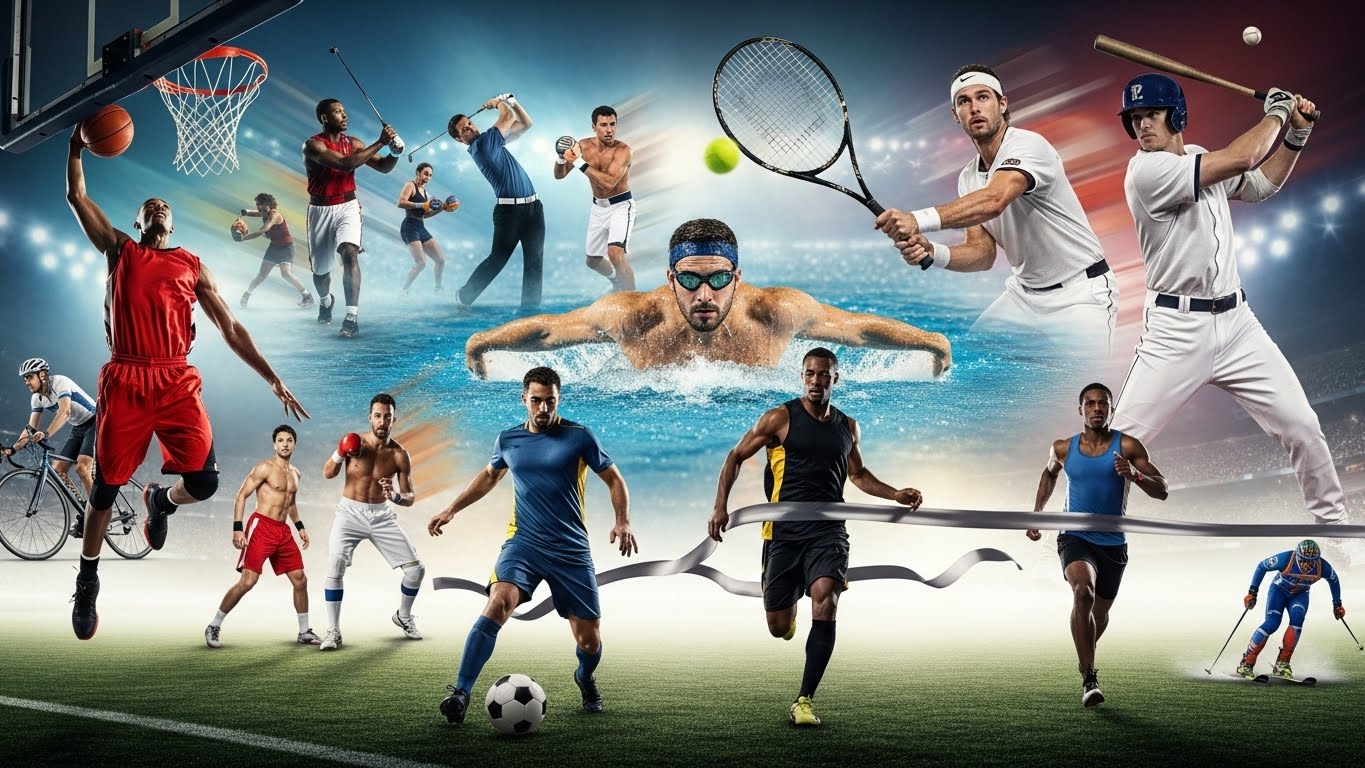

Sports have always held a significant place in human history, evolving over centuries from simple contests of strength and skill to the highly organized and commercialized spectacles we know today. From ancient civilizations where sports were a part of religious rituals to the contemporary era of professional leagues and global tournaments, sports have been a constant companion to human progress. The journey of sports reflects not only changes in culture and society but also the advancement of technology, media, and international connections. This blog takes a deep dive into how sports have transformed, focusing on their history, the rise of professional sports, technological impacts, and their future in our globalized world.
The Ancient Origins of Sports: Early Competitions and Rituals
Sports, as we understand them today, have their origins in ancient times. Early human civilizations used athletic competition as a way to honor gods, train warriors, and foster community spirit. In Ancient Egypt, for example, physical contests such as wrestling, archery, and running were important both in the training of soldiers and in the religious ceremonies of the time. Similarly, in Ancient Greece, sports were deeply intertwined with religious practices. The ancient Olympic Games, held in Olympia from at least 776 BCE, were dedicated to Zeus, the king of the Greek gods, and athletes competed for honor and glory.
The Romans took the concept of sports to new levels with gladiatorial combat and chariot racing, both of which were not only forms of competition but also intense public spectacles. The Colosseum in Rome, for instance, was built to hold tens of thousands of spectators for gladiatorial contests and mock naval battles. These events, while brutal, served as a way to demonstrate power and control over the masses, and they attracted huge crowds. Despite the often violent nature of these sports, they were hugely popular and set the stage for the larger, more organized sports events that would emerge centuries later.
The Birth of Modern Sports: The Influence of the Industrial Revolution
The Industrial Revolution, which began in the late 18th century, brought about significant changes in almost every aspect of society, and sports were no exception. The rapid urbanization and the emergence of the middle class created a new demand for organized recreational activities, and sports became a way for people to connect with others and establish their place in the growing urban landscape.
One of the most important developments during this period was the standardization of sports rules. Prior to the 19th century, sports were often played with local variations of rules, which made competitions inconsistent and difficult to organize. The codification of rules helped establish uniformity, which in turn made sports more accessible and fair.
In England, several sports began to take on a formal structure. Cricket, a game with roots dating back to the 16th century, became organized with the creation of the first professional cricket clubs in the 18th century. By the mid-19th century, the rules of cricket had been standardized, and the sport became a global phenomenon, spreading to the British colonies around the world.
Football (or soccer) also emerged in England during this period. In 1863, the Football Association was founded, and a standardized set of rules for the game was established. The formation of the Football League in 1888 marked the beginning of professional soccer, and the sport quickly spread to other parts of Europe and Latin America.
The Commercialization of Sports: The Rise of Professional Leagues
By the early 20th century, sports had moved from recreational pastimes to major commercial enterprises. As urbanization and industrialization continued, mass media, particularly radio and later television, began to play a huge role in the popularization of sports. The ability to broadcast sports events to a wide audience made it possible for professional leagues to gain widespread exposure and for athletes to become household names.
In the United States, the development of professional sports leagues such as Major League Baseball (MLB), the National Football League (NFL), and the National Basketball Association (NBA) coincided with the rise of mass media. These leagues were able to attract large numbers of fans, and sports teams began to operate as commercial entities, signing lucrative television contracts and securing sponsorship deals.
The popularity of professional sports was not confined to the United States or Europe. Soccer, already popular in many parts of the world, gained immense global popularity after the formation of international competitions such as the FIFA World Cup. The first World Cup was held in 1930, and today, it is the most-watched sporting event in the world, with billions of fans tuning in every four years.
The Role of Technology in Modern Sports
Technology has played a transformative role in shaping the way sports are played, consumed, and understood. The introduction of television in the mid-20th century had an immediate and profound effect on the global reach of sports. As television broadcasts brought live sports events into the homes of millions, fans could now watch games that were previously only accessible to a lucky few in person.
Advancements in broadcast technology also allowed for innovations like instant replays, slow-motion cameras, and multi-angle viewing, all of which enhanced the viewer’s experience. With the rise of cable television and satellite broadcasting in the 1980s and 1990s, sports became more available than ever, with specialized sports channels like ESPN offering round-the-clock coverage of major sporting events and leagues.
In recent years, digital media and the internet have further changed the landscape of sports. Streaming services like ESPN+, Netflix, and DAZN have revolutionized how people consume sports, offering access to games and highlights on-demand. Social media platforms, too, have given athletes and teams a direct channel to engage with their fans, allowing for greater interactivity and personal connection.
The impact of technology is also evident in the way sports are played. Athletes now have access to advanced training equipment and techniques that were once unavailable. Wearable technology such as fitness trackers and smartwatches allows athletes to monitor their physical performance in real time, helping them optimize their training routines and prevent injuries. In professional sports, data analytics has become an indispensable tool, with teams using complex algorithms to analyze player performance, devise strategies, and make data-driven decisions.
The Globalization of Sports: A New Era of International Competition
The 21st century has seen the globalization of sports like never before. With the rise of digital media and the increasing accessibility of international broadcasts, fans around the world can follow their favorite teams and athletes regardless of where they live. This has led to the creation of truly global sports events such as the FIFA World Cup, the Summer and Winter Olympic Games, and the Tour de France, all of which attract millions of viewers from every corner of the globe.
Sports organizations are also becoming more global in scope. Professional leagues such as the NBA and the English Premier League (EPL) have expanded their reach far beyond their home countries. The NBA, once seen as a strictly American league, now has players from all over the world, with stars like Giannis Antetokounmpo (Greece), Luka Dončić (Slovenia), and Joel Embiid (Cameroon) representing countries outside the United States. Similarly, the EPL features top-tier talent from Africa, South America, and Europe, making it one of the most diverse leagues in the world.
The globalization of sports has also fostered greater cultural exchange. International tournaments like the World Cup and the Olympics celebrate cultural diversity and bring together athletes from different nations to compete in a spirit of mutual respect. These events provide a platform for athletes to showcase their talents on the world stage and inspire others in their home countries to pursue sports.
The Impact of Sports on Society: More Than Just Games
Beyond entertainment, sports have the power to influence society in profound ways. They bring people together, transcending barriers of language, culture, and geography. Major sporting events often serve as a backdrop for national pride, as countries rally behind their athletes in the pursuit of glory.
Sports also have the potential to drive social change. Athletes have long used their platforms to speak out on important social issues, from racial equality to gender rights. Icons like Jackie Robinson, Muhammad Ali, and Billie Jean King have used sports as a platform to challenge societal norms and advocate for justice. In the modern era, athletes such as Colin Kaepernick, Serena Williams, and Simone Biles continue to use their voices to address issues like racial injustice, mental health, and gender equality, using their platforms to initiate important conversations that extend far beyond the sports arena.
Additionally, sports can be a tool for promoting health and wellness. As people increasingly recognize the benefits of physical activity, sports organizations have worked to promote fitness at the grassroots level. From youth leagues to recreational sports, these programs provide opportunities for individuals to stay active and learn important life skills such as teamwork, discipline, and perseverance.
The Future of Sports: Technology, Sustainability, and Inclusivity
Looking ahead, the future of sports seems poised for even more change. The integration of emerging technologies like virtual reality (VR), augmented reality (AR), and artificial intelligence (AI) will continue to redefine the fan experience. Imagine watching a live game in VR, feeling as though you’re sitting courtside or on the field with the players. With AR, fans could see real-time statistics and interactive features overlayed on their view of the game, making the experience more immersive.
Sustainability will also become an increasingly important issue in sports. As climate change and environmental concerns continue to grow, sports organizations will face pressure to reduce their carbon footprints and promote sustainable practices. This could mean everything from using eco-friendly stadiums and transportation to addressing the environmental impact of large-scale events.
Inclusivity and diversity will remain key priorities in the years ahead. As sports become more global, the emphasis on breaking down cultural and gender barriers will likely continue. We may see more women in leadership roles within sports organizations, increased support for para-sports, and broader representation of athletes from all walks of life.