
Introduction: The Heartbeat of Humanity
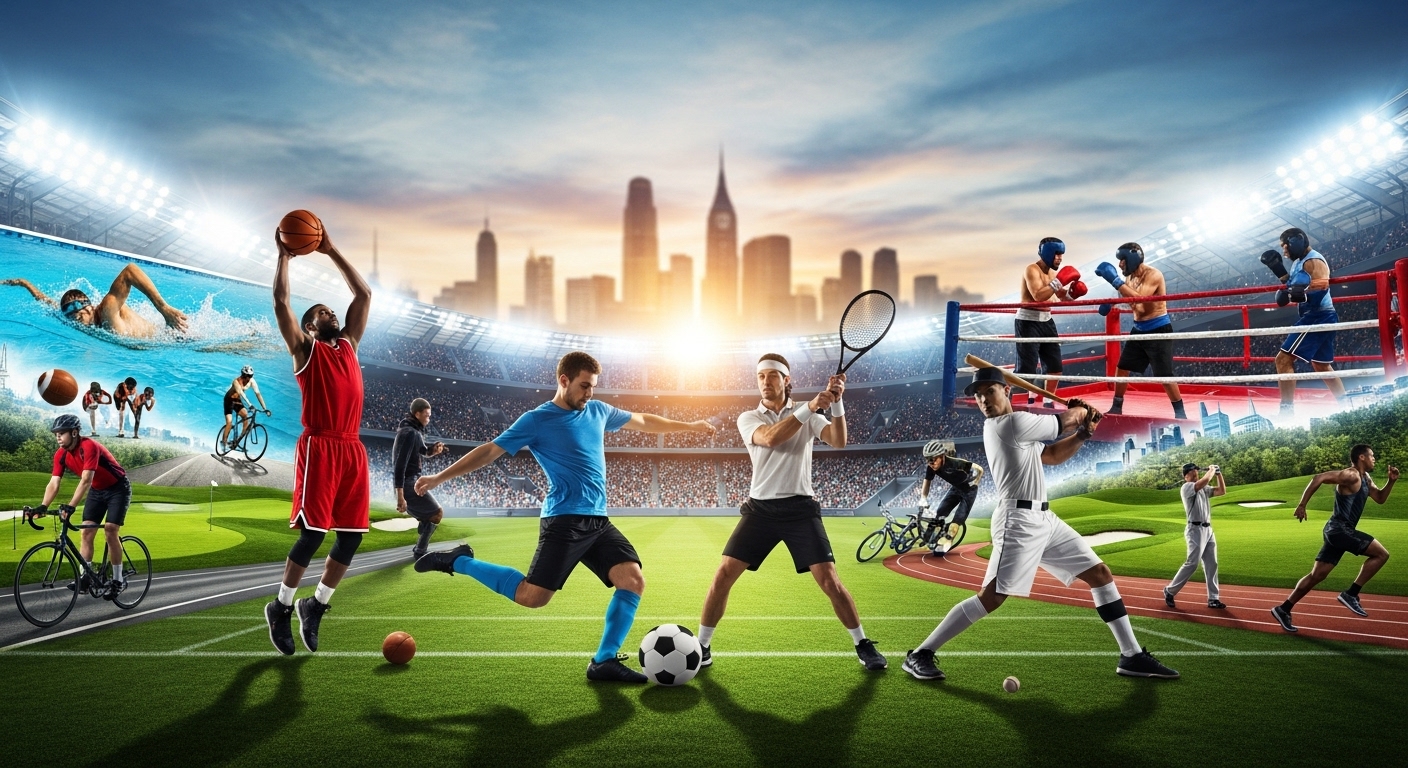
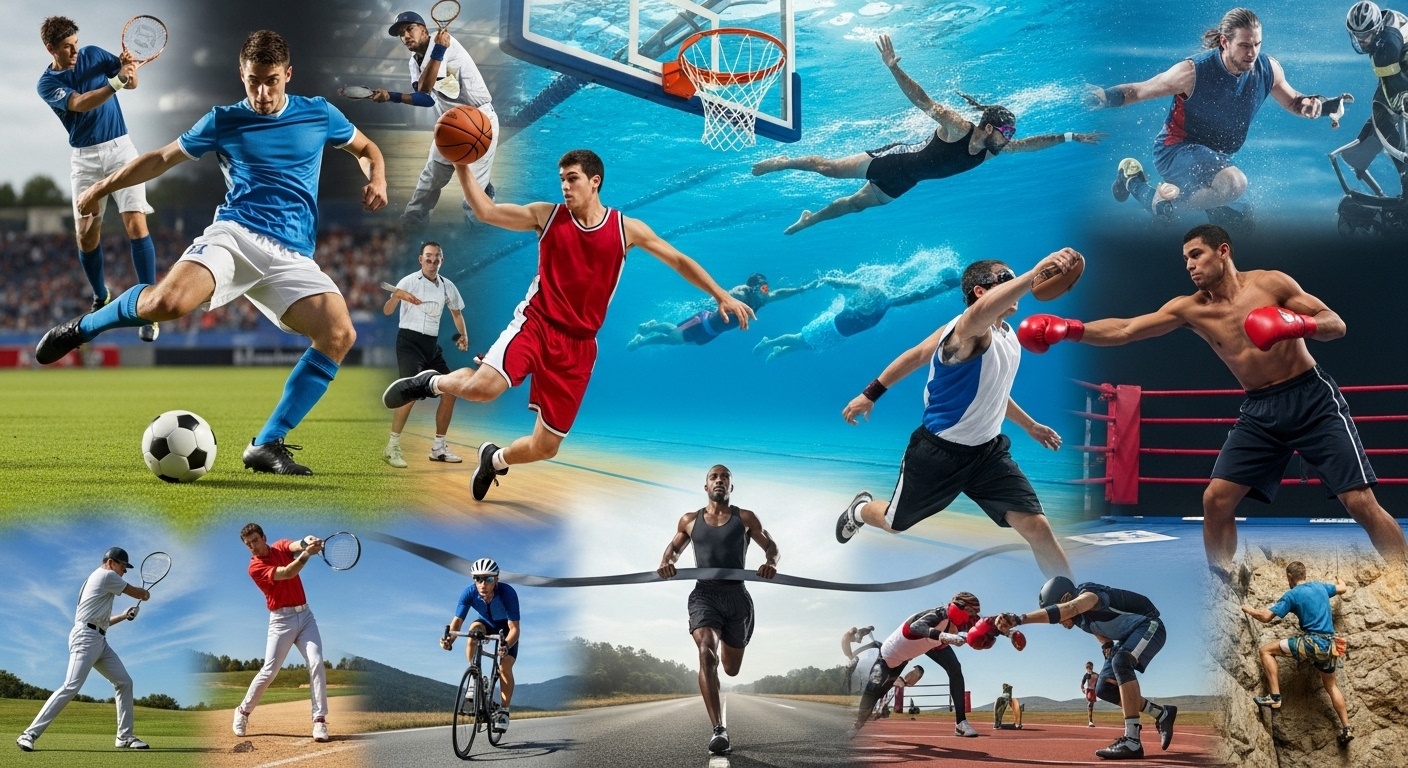
Sports have always been more than just games. They represent human endurance, teamwork, discipline, and the unyielding will to push beyond limits. From the earliest civilizations to today’s digital age, sports have remained a powerful expression of unity and ambition. They connect people across continents, inspire youth, and build communities. Whether on a dusty local field or a grand international arena, sports bring joy, emotion, and meaning to life. They remind us that victory is not just about winning a match—it is about embracing the spirit of effort and resilience.
The Ancient Roots of Sports
The story of sports is as old as civilization itself. Ancient humans engaged in running, wrestling, and hunting not only to survive but to celebrate physical strength and skill. In ancient Greece, the Olympic Games became a symbol of unity among city-states, emphasizing honor and discipline. Egypt had swimming and archery competitions, while China practiced martial arts and archery as early forms of sport. Across Africa, tribal games celebrated bravery and endurance. These early sports were reflections of culture, ritual, and community life. They taught values of respect, competition, and self-improvement—principles that still define sports today.
Sports as a Bridge Between Cultures
No matter where you go in the world, sports speak a common language that transcends race, religion, and politics. A football match in Brazil, a cricket game in India, or a basketball court in the United States—all share one thing: passion. Sports have the power to unite people who may never speak the same language but feel the same excitement. International tournaments, from the Olympics to global cups, demonstrate how sports foster peace and understanding among nations. When athletes from different countries compete respectfully, they send a message to the world—that unity and friendship are greater than conflict.
The Character-Building Power of Sports
Sports are not only about physical strength; they are about character. They teach patience, dedication, teamwork, and humility. A true athlete learns to respect rules, accept defeat gracefully, and strive for self-improvement. Team sports like football and hockey teach collaboration and communication, while individual sports like tennis and running develop self-discipline and focus. Sports instill the value of persistence—showing that even failure is a step toward success. Every match, every race, every challenge becomes a lesson in resilience and mental strength. These lessons often extend beyond the field, shaping how individuals approach life, work, and relationships.
The Role of Sports in Mental and Physical Health
In today’s fast-paced and stressful world, sports play a vital role in maintaining both physical and mental health. Regular physical activity strengthens the heart, muscles, and immune system. It helps prevent diseases like obesity, diabetes, and heart conditions. Beyond physical fitness, sports also have a profound effect on mental well-being. They reduce stress, enhance mood, and boost self-confidence. The thrill of a game releases endorphins—the body’s natural happiness hormones. Moreover, sports help individuals develop emotional balance by teaching them to handle pressure, manage competition, and focus their energy positively.
Women in Sports: Shattering Stereotypes and Making History
For decades, women had to fight for the right to compete, to be seen, and to be respected in the world of sports. Today, women athletes are breaking records and redefining strength. From the tennis courts to the boxing ring, female athletes have proven that determination and talent know no gender. Sports have given women a platform to challenge social barriers, inspire younger generations, and promote gender equality. The rise of women in sports has also changed perceptions—today, they are not just participants but leaders, coaches, and role models. Their achievements remind the world that true athleticism comes from passion, not privilege.
The Economic and Cultural Impact of Sports
Sports have evolved into a massive global industry that drives economies and cultures. Major tournaments attract millions of viewers and generate enormous revenue through broadcasting, sponsorships, and tourism. Stadiums, merchandise, and sports academies create employment opportunities and boost national economies. But beyond money, sports shape culture and identity. They inspire music, movies, fashion, and even social movements. A national victory becomes a collective moment of pride. Sports heroes become cultural icons whose achievements symbolize hope and determination for entire nations. This cultural power makes sports an essential pillar of modern society.
Youth and Sports: Building the Future
Engaging the youth in sports is one of the most effective ways to shape a brighter future. Sports teach young people discipline, cooperation, leadership, and respect. They encourage time management and self-motivation. Participation in school or community sports also keeps children away from negative habits and promotes healthy social interaction. It provides a sense of belonging and purpose. Moreover, sports nurture emotional intelligence by helping youth understand both victory and defeat. Encouraging young athletes not only builds strong individuals but also fosters a generation that values teamwork, respect, and perseverance.
Technology and the Modern Sporting Era
The fusion of technology and sports has revolutionized the way games are played, coached, and viewed. From smart wearables that track athlete performance to video analysis tools that help coaches design better strategies, innovation has made sports more accurate and efficient. Goal-line technologies, instant replays, and performance data ensure fair play and transparency. Technology has also brought fans closer to the action through live streaming and digital platforms. Even virtual and augmented reality are reshaping how spectators experience sports. This evolution shows that technology, when used wisely, enhances the spirit of competition while preserving its integrity.
The Role of Sports in National Identity
Sports often define a nation’s spirit and unity. A victory in an international event becomes a symbol of national pride, bringing citizens together regardless of differences. Flags fly high, anthems echo, and people celebrate as one. Athletes become ambassadors of their country’s talent, resilience, and dedication. Sporting achievements often inspire governments to invest in infrastructure and youth development programs. They also serve as powerful diplomatic tools, promoting harmony and cooperation among nations. Through sports, countries showcase not only their athletic talent but also their values and unity before the world.
Sportsmanship: The Soul of Every Game
True greatness in sports lies not in victory but in sportsmanship. It is about respecting opponents, following rules, and playing with integrity. The beauty of sports is in the mutual respect between competitors who give their all and still shake hands at the end of the game. Cheating or dishonesty undermines the very spirit that makes sports meaningful. Good sportsmanship encourages fair play and empathy, reminding athletes and fans that competition should never overshadow compassion. Winning with humility and losing with grace defines the true spirit of sports, making it not just a game but a moral lesson.
The Challenges Faced in the World of Sports
Despite its many positives, the world of sports faces numerous challenges. Issues such as doping, corruption, commercialization, and mental health pressures have threatened its integrity. Many athletes struggle with performance anxiety, public scrutiny, and the physical toll of constant training. Financial inequality also prevents talented individuals from reaching their potential. However, these challenges have led to reforms, awareness, and advocacy. Organizations are now focusing more on athlete well-being, fair practices, and equal opportunities. The sports community continues to evolve, learning to protect the true essence of competition while adapting to modern realities.
Sports as a Force for Peace and Diplomacy
Throughout history, sports have often succeeded where politics has failed. They have served as bridges between divided nations and cultures. Friendly matches, peace tournaments, and international games have promoted dialogue and cooperation. The idea of the Olympic Truce, which calls for the cessation of conflict during the Games, is one of the most powerful examples of how sports can unite humanity. When athletes compete with respect and honor, they remind the world that harmony is possible even in diversity. Sports diplomacy continues to be a vital instrument for peace and understanding.
The Emotional Connection Between Fans and Sports
Fans are the heartbeat of every sport. Their energy, devotion, and passion transform every game into a global celebration. For fans, supporting a team or athlete is more than entertainment—it is identity and emotion. Victories bring tears of joy, while defeats forge deeper loyalty. The shared experience of cheering in stadiums or watching from home creates bonds among people who may otherwise be strangers. Sports fandom builds community, tradition, and collective memory. It unites generations, bringing grandparents, parents, and children together under the same banner of enthusiasm.
The Future of Sports: Sustainability, Inclusion, and Innovation
As the world evolves, so too must sports. The future will focus on sustainability, equality, and innovation. Eco-friendly stadiums, reduced carbon footprints, and green initiatives are becoming essential parts of sporting events. Inclusion will expand further, giving opportunities to athletes with disabilities and promoting diversity across all levels of competition. Technology will continue to shape new forms of engagement, from virtual sports to global accessibility. Yet, amid all progress, the heart of sports will remain the same—the human spirit that strives, dreams, and endures.
Conclusion: The Endless Legacy of Sports
Sports are not just about competition; they are about humanity. They teach courage in defeat, humility in victory, and unity in diversity. From ancient arenas to modern stadiums, sports have always reflected the best of what we can achieve together. They remind us that no matter who we are or where we come from, we all share the same desire to grow, to challenge ourselves, and to find meaning in effort. The flame of sports will never fade—it will continue to inspire generations to dream, to persevere, and to believe in the power of the human spirit.