Introduction: The Essence of Sports
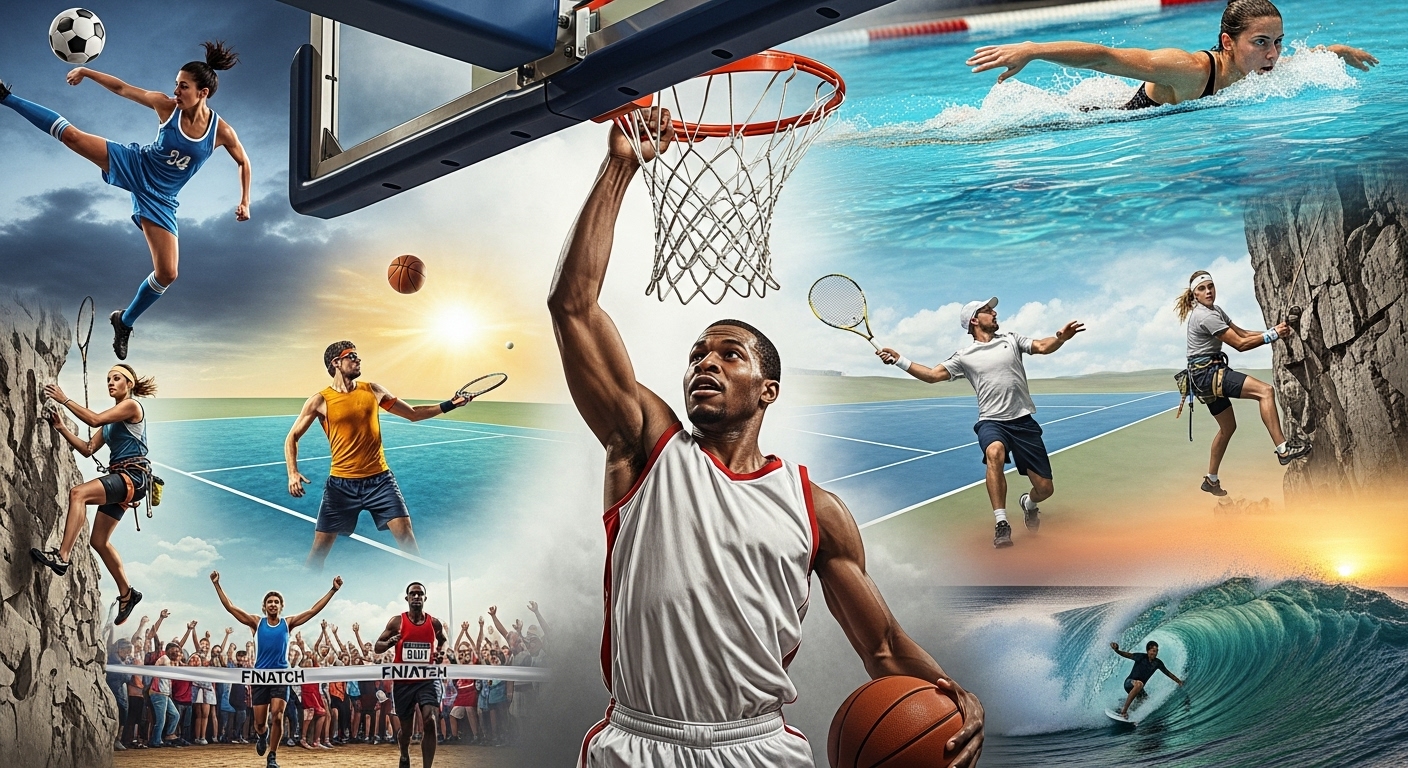
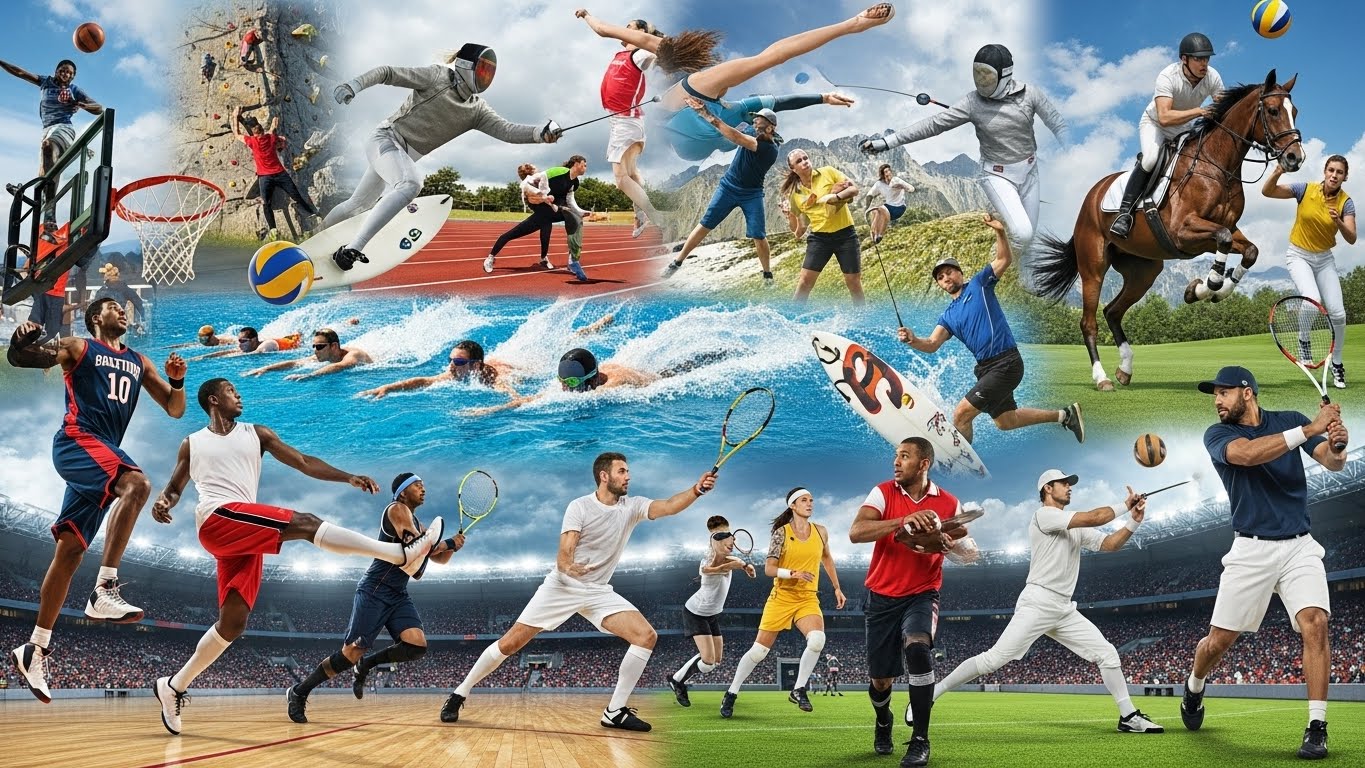
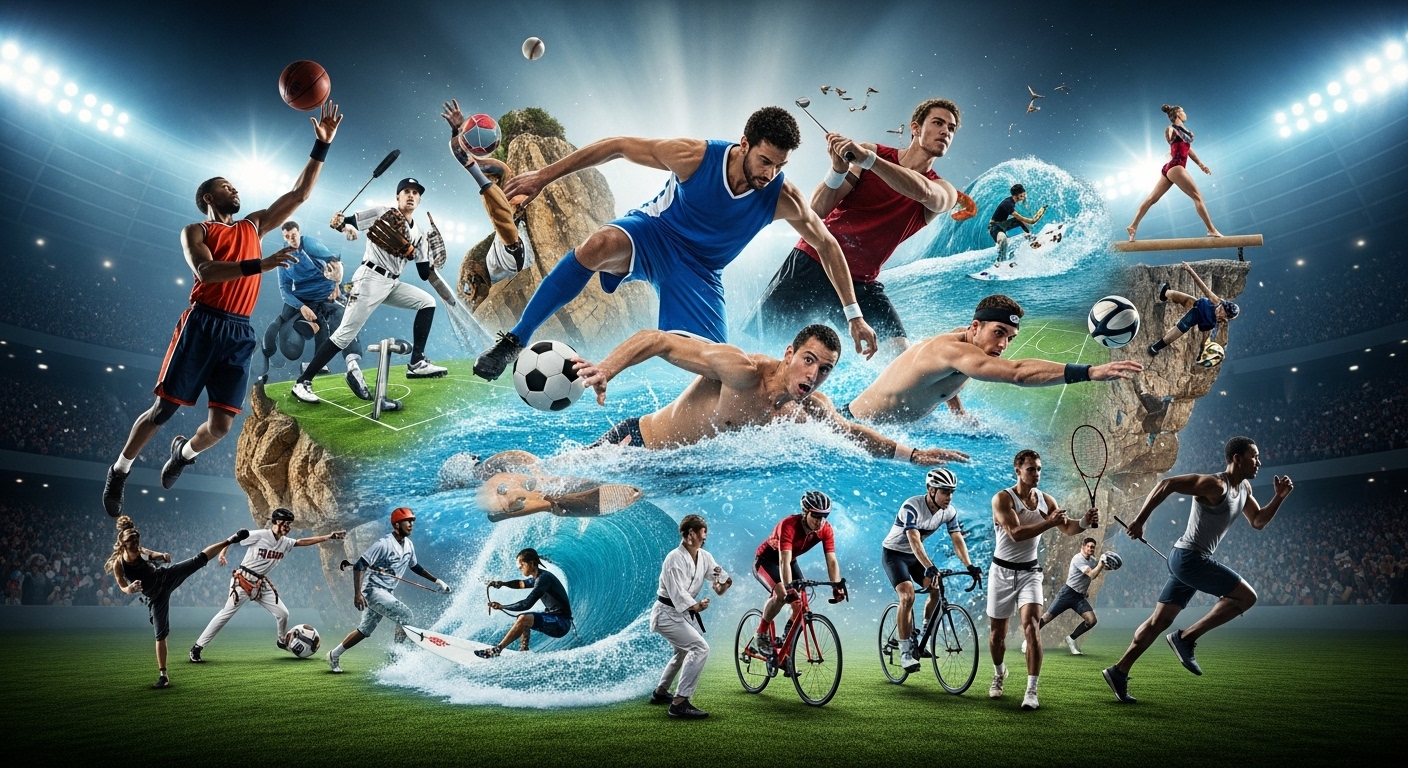
Sports are far more than games or competitions; they are a reflection of human ambition, creativity, and resilience. From playgrounds to stadiums, from local leagues to global tournaments, sports have the power to inspire, unite, and transform individuals and communities. They provide a stage for talent, a path for personal growth, and a source of collective pride.
What makes sports truly remarkable is their universal appeal. People of all ages, cultures, and backgrounds can engage with sports, either as participants or spectators. They embody the spirit of challenge, the joy of achievement, and the lessons of discipline and teamwork. Sports are not just a physical activity—they are a way of life that teaches us about determination, fairness, and the pursuit of excellence.
The Historical Evolution of Sports
Sports have existed for thousands of years, evolving alongside human civilization. Ancient Greece is famous for establishing the Olympic Games, celebrating physical prowess and competitive spirit. In medieval times, Europe saw tournaments such as jousting and archery competitions, which tested skill, strategy, and courage. Meanwhile, Asian cultures developed martial arts that combined combat, philosophy, and discipline.
Over time, sports transitioned from informal contests to structured, regulated competitions. Rules became standardized, equipment improved, and professional athletes emerged. Today, sports span numerous forms, from traditional team games to individual challenges and even digital sports like e-sports. Regardless of the format, the core principles of effort, skill, and fair competition remain constant.
Physical Benefits of Sports
Engaging in sports provides numerous physical benefits. Regular participation strengthens muscles, enhances cardiovascular health, improves flexibility, and boosts endurance. Children who participate in sports develop coordination, motor skills, and lifelong healthy habits. For adults, sports offer an enjoyable way to maintain fitness, prevent lifestyle-related diseases, and enhance overall well-being.
Older adults also benefit significantly from sports. Low-impact activities such as swimming, cycling, and yoga help maintain mobility, balance, and joint health. Beyond the measurable health benefits, sports create a sense of vitality and energy, helping people lead more active and fulfilling lives.
Mental and Emotional Advantages
Sports are as much a mental exercise as a physical one. Engaging in athletic activities reduces stress, anxiety, and depression through the release of endorphins. Training and competition foster discipline, focus, and time management. Athletes learn to set goals, handle setbacks, and maintain persistence under pressure.
Participation in sports also develops emotional resilience. Wins build confidence, while losses teach humility and the importance of learning from mistakes. Sports provide a safe outlet for emotions and help individuals manage both success and failure with balance and perspective.
Team Sports: Lessons in Collaboration
Team sports such as football, basketball, volleyball, and hockey emphasize the importance of collaboration and shared responsibility. Success in these sports relies not just on individual talent but on teamwork, communication, and mutual trust.
Participating in team sports teaches players about leadership, empathy, and cooperation. Individuals learn to motivate each other, resolve conflicts, and celebrate collective achievements. The bonds formed through team sports often extend beyond the field, creating friendships and networks that last a lifetime.
Individual Sports: Mastering the Self
In contrast, individual sports like athletics, tennis, swimming, and martial arts focus on personal discipline and self-motivation. Success depends largely on the athlete’s dedication, focus, and ability to overcome challenges independently.
Individual sports teach accountability, as athletes are solely responsible for their performance. They cultivate mental toughness, patience, and resilience. Every achievement becomes a testament to personal effort, reinforcing self-confidence and a strong sense of accomplishment.
Sports as a Global Connector
Sports have the unique ability to transcend language, culture, and political boundaries. International events such as the Olympic Games, World Cup, and other championships bring together athletes and fans from around the world. These events foster mutual respect, cultural exchange, and global unity.
Fans around the globe celebrate achievements together, sharing a sense of excitement and pride that transcends national and cultural differences. Athletes often become ambassadors of goodwill, showing that dedication and perseverance are universal values that connect humanity.
Youth Development Through Sports
For young people, sports are a powerful tool for personal and social development. Participation helps children and teenagers develop discipline, time management skills, and a sense of responsibility. They learn to work as part of a team, respect rules, and handle both victory and defeat gracefully.
Sports also encourage creativity, problem-solving, and decision-making. Children gain confidence, social skills, and an understanding of the value of effort and perseverance. For many youth, sports provide a safe and structured environment where they can thrive physically, mentally, and socially.
Promoting Gender Equality and Inclusivity
Historically, sports were often male-dominated, but women’s participation has grown tremendously. Female athletes now compete at the highest levels, breaking barriers and inspiring future generations. Increased visibility and recognition of women in sports highlight the importance of gender equality and challenge stereotypes.
Inclusivity also extends to individuals with disabilities. Adaptive sports programs ensure that everyone has the opportunity to participate and compete, demonstrating that talent and determination are not limited by physical abilities. Sports continue to evolve into a more equitable and accessible space for all.
Sports and Society: More Than Just Entertainment
Sports have a profound impact on society. They can drive social change, promote community engagement, and inspire collective action. Throughout history, athletes have used their platforms to challenge injustice, advocate for equality, and raise awareness about social issues.
Local sports programs strengthen communities by encouraging youth participation, reducing crime, and fostering teamwork and cooperation. They serve as a mirror of societal values, reflecting cultural priorities and sometimes pushing progress toward fairness, inclusion, and unity.
The Business and Economics of Sports
Modern sports are a major industry, encompassing media, merchandising, tourism, and technology. While commercialization has brought new challenges, it has also fueled innovation and accessibility. Professional leagues, sponsorship deals, and sports academies provide career opportunities and contribute to economic growth.
The business of sports drives infrastructure development, including stadiums, training facilities, and recreational areas. It also helps fund grassroots initiatives, making sports available to more people and promoting long-term development.
Technology and Innovation in Sports
Technology has transformed the way sports are played, trained for, and experienced. Wearable devices track performance metrics and prevent injuries. Video analysis allows athletes to refine techniques. Instant replay ensures fairness in competitions, and digital platforms provide fans with immersive experiences.
Virtual reality, artificial intelligence, and data analytics are increasingly shaping sports strategy, training, and fan engagement. Technology enhances performance, ensures fairness, and deepens the connection between sports and society.
The Future of Sports
The future of sports promises continued growth, innovation, and inclusivity. E-sports have demonstrated that competitive spirit is not confined to physical ability. Adaptive sports are expanding opportunities for individuals with disabilities. Environmental awareness is prompting sustainable practices in stadiums and events.
Mental health is receiving greater attention, encouraging athletes to prioritize well-being alongside performance. The next generation of sports will likely blend tradition with innovation, providing opportunities for global participation, personal growth, and social impact.
Conclusion: The Timeless Impact of Sports
Sports are more than a pastime; they are a reflection of human potential and societal values. They teach discipline, resilience, teamwork, and the importance of striving for excellence. They bring people together, transcend boundaries, and inspire individuals to achieve greatness.
Whether on a local playground, a professional field, or a global stage, sports continue to shape lives and societies. They remind us that effort, determination, and passion are as important as the final result. The power of play lies not only in competition but in the lessons, connections, and inspiration that sports bring to our world.