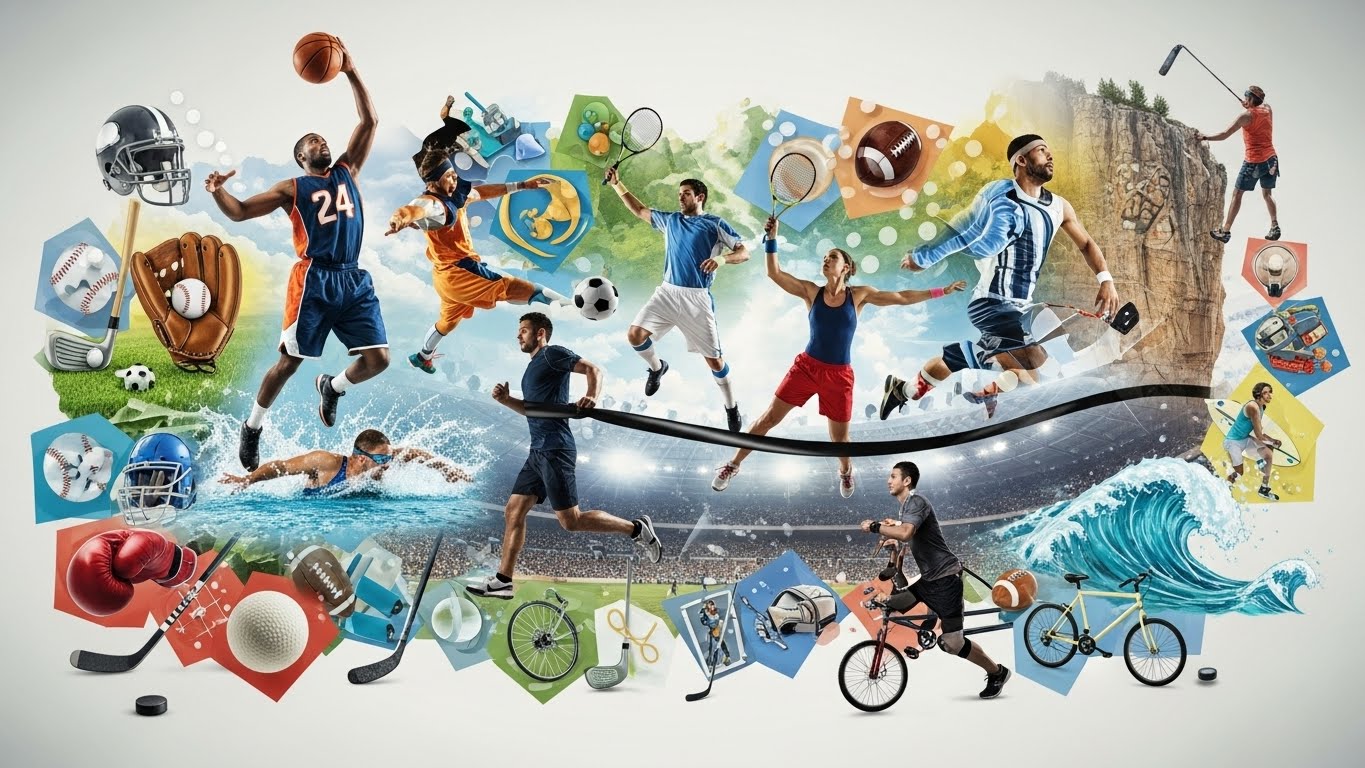

Sports have long been a central part of human culture, transcending geographic, social, and economic boundaries. From the exhilarating rush of a soccer goal to the intense silence before a basketball free throw, sports offer a unique blend of entertainment, competition, and human connection. Whether played on local fields or in massive stadiums, sports have a way of bringing people together like few other activities can. In this blog post, we will explore the history, impact, and future of sports, while celebrating the deep passion they invoke in both athletes and fans alike.
The Origins of Sports: A Universal Phenomenon
The roots of sports can be traced back to ancient civilizations, where physical activity was often linked to religious rituals, military training, and entertainment. Ancient Greeks, for example, are credited with the development of the Olympic Games in 776 BCE, which not only honored the gods but also provided a platform for showcasing physical prowess. These early competitions celebrated athleticism and provided a model for the organization of sports that would come to define modern competitions.
In other parts of the world, ancient civilizations also embraced sports in various forms. The Mayans had their ball game, which was played with a rubber ball, and the Romans popularized gladiatorial combat as a form of entertainment. The Chinese also developed early forms of sports, including martial arts and ball games that laid the foundation for games like soccer and basketball centuries later.
The Growth of Organized Sports
Over time, sports became more organized, and standardized rules began to emerge. By the 19th century, sports were increasingly formalized, especially in Europe and the United States. The Industrial Revolution, with its rise in urbanization and transportation, led to greater social mobility and the ability for people to participate in recreational activities. In England, the formation of clubs like the Marylebone Cricket Club (MCC) in 1787 helped lay down the rules for cricket, while in the United States, baseball became a popular pastime by the mid-1800s.
The late 19th and early 20th centuries witnessed the birth of many of the sports we recognize today, such as soccer, basketball, and rugby. Global sports organizations like FIFA (Federation Internationale de Football Association) and the International Olympic Committee were formed, leading to the internationalization of sports and the birth of global competitions like the FIFA World Cup and the Olympic Games.
The Global Impact of Sports: Uniting Nations and Communities
Sports are more than just games; they are a powerful force for uniting people across cultures, languages, and backgrounds. They create a sense of belonging and foster camaraderie, allowing individuals to come together for a common purpose.
Sports as a Global Connector
One of the most profound ways in which sports bring people together is through international competitions. The Olympic Games, for example, bring athletes from nearly every country in the world to compete in a spirit of friendship and respect. Similarly, the FIFA World Cup, which is held every four years, is watched by billions of people globally, providing a shared experience that unites fans from all corners of the earth.
In addition to global events, sports also create local unity. In communities large and small, sports provide a sense of pride and identity. Whether it’s a local soccer team, a high school basketball rivalry, or a national team in the World Cup, sports build community spirit. Fans from different walks of life come together in stadiums, in homes, and in bars to cheer on their teams, forging connections that may never have existed otherwise.
The Role of Sports in Bridging Social Divides
Sports have also played a significant role in breaking down social barriers and promoting equality. Historically, sports have been an arena for challenging societal norms. The Civil Rights Movement in the United States, for example, saw athletes like Jackie Robinson break the racial divide in professional baseball, while figures like Muhammad Ali and Billie Jean King used their platforms to champion racial and gender equality. More recently, global movements like Black Lives Matter have seen athletes continue to use sports as a platform for social change, helping to highlight issues such as racial injustice, economic inequality, and gender discrimination.
Sports have provided a space for individuals to rise above adversity, unite for a common cause, and even change the course of history. Through their sheer global reach, sports continue to act as a mirror to society, reflecting both its challenges and triumphs.
The Economics of Sports: A Multibillion-Dollar Industry
In addition to their cultural impact, sports have evolved into a multibillion-dollar global industry. From professional leagues like the NFL, NBA, and Premier League to the rapidly growing world of esports, the financial stakes in sports have never been higher. Major sponsors, television networks, and digital platforms are all part of the financial ecosystem that supports sports at every level.
Professional Leagues and the Business of Sports
The growth of professional sports leagues has been one of the defining characteristics of the modern sports landscape. These leagues, ranging from American football and basketball to soccer and cricket, have become global brands with immense financial value. Teams are valued in the billions of dollars, and athletes can earn astronomical salaries through contracts, endorsements, and sponsorships.
The business side of sports has become increasingly complex, with team owners, broadcasters, and sponsors working together to create a sports economy that extends far beyond the field. Television rights for major sports events like the Super Bowl or the Champions League are worth billions, while digital platforms like YouTube and Twitch have opened up new revenue streams through live-streaming and fan engagement.
The Rise of Esports
One of the most exciting and rapidly growing sectors of the sports industry is esports, which involves competitive video gaming. Esports tournaments now fill massive arenas, and top players have become celebrities in their own right, earning prize money, sponsorships, and endorsement deals. Games like League of Legends, Fortnite, and Dota 2 have built dedicated global followings, with professional teams and coaches taking part in league-style tournaments.
Esports also offers opportunities for accessibility, with young gamers from across the world able to participate in online competitions. As a result, esports has become a hub for innovation and new forms of entertainment, creating a new generation of fans who may never have picked up a traditional ball or bat.
The Future of Sports: Technology, Innovation, and New Frontiers
The sports world is not standing still; it’s evolving with technological advancements and innovations that promise to reshape the way fans experience games and athletes perform.
Technology and the Enhancement of the Fan Experience
Technology has already had a significant impact on how fans engage with sports. High-definition broadcasts, virtual reality (VR), and augmented reality (AR) are all part of a new wave of entertainment options that enhance the sports viewing experience. Imagine sitting in your living room, watching a game through a VR headset that makes you feel as if you’re sitting courtside or standing on the sidelines. This kind of immersive viewing experience is becoming more achievable as VR and AR technologies develop further.
In addition to the fan experience, technology is also improving athlete performance. Wearable devices, sensors, and data analytics are giving coaches and players deeper insights into physical performance, recovery, and strategy. Sports like basketball, soccer, and tennis have begun to integrate these technologies into their training regimes, helping athletes push their limits and improve their skills.
The Rise of Women in Sports
While sports have historically been male-dominated, there has been a significant rise in the visibility of women athletes in recent years. The success of athletes like Serena Williams, Simone Biles, and Megan Rapinoe has broken down gender barriers and brought greater attention to women’s sports. Major sporting events such as the Women’s World Cup, the WNBA, and the Women’s Tennis Association (WTA) have begun to gain more widespread media coverage, and sponsorship dollars are flowing into female sports leagues at increasing rates.
This shift is not only changing the way women’s sports are perceived but is also opening the door for future generations of female athletes to dream big and achieve greatness. As the conversation around gender equality continues, we are likely to see even more growth in women’s sports, both in terms of talent and visibility.
Sustainability and the Future of Sports Infrastructure
As the world becomes increasingly aware of environmental issues, the sports industry is also adapting to sustainability challenges. Modern sports stadiums and arenas are incorporating green technologies, such as energy-efficient lighting, water conservation systems, and sustainable materials, into their design and operation. Large-scale events, like the Olympics or the World Cup, are also making strides to reduce their carbon footprints, with host cities focusing on sustainable transportation options and waste reduction programs.
Sustainability is not just about the physical infrastructure of sports; it also includes the sustainability of sports organizations and leagues. As climate change and environmental degradation become more pressing issues, sports will continue to play an important role in raising awareness and inspiring change.
Conclusion: The Endless Appeal of Sports
Sports have a unique ability to captivate, inspire, and unite people across the globe. They offer a space for both athletes and fans to experience passion, competition, and camaraderie, creating lasting memories and shared experiences. Whether it’s the drama of the final moments of a game or the thrill of a hard-fought victory, sports provide us with moments of joy, heartbreak, and excitement that transcend borders and time zones.
As we move into the future, sports will continue to evolve with the times, incorporating new technologies, innovations, and greater inclusivity. From the rise of esports to the continued progress in women’s sports and the drive for sustainability, the world of sports is embracing change while retaining the core values that have made it a central part of human culture for centuries.