Introduction
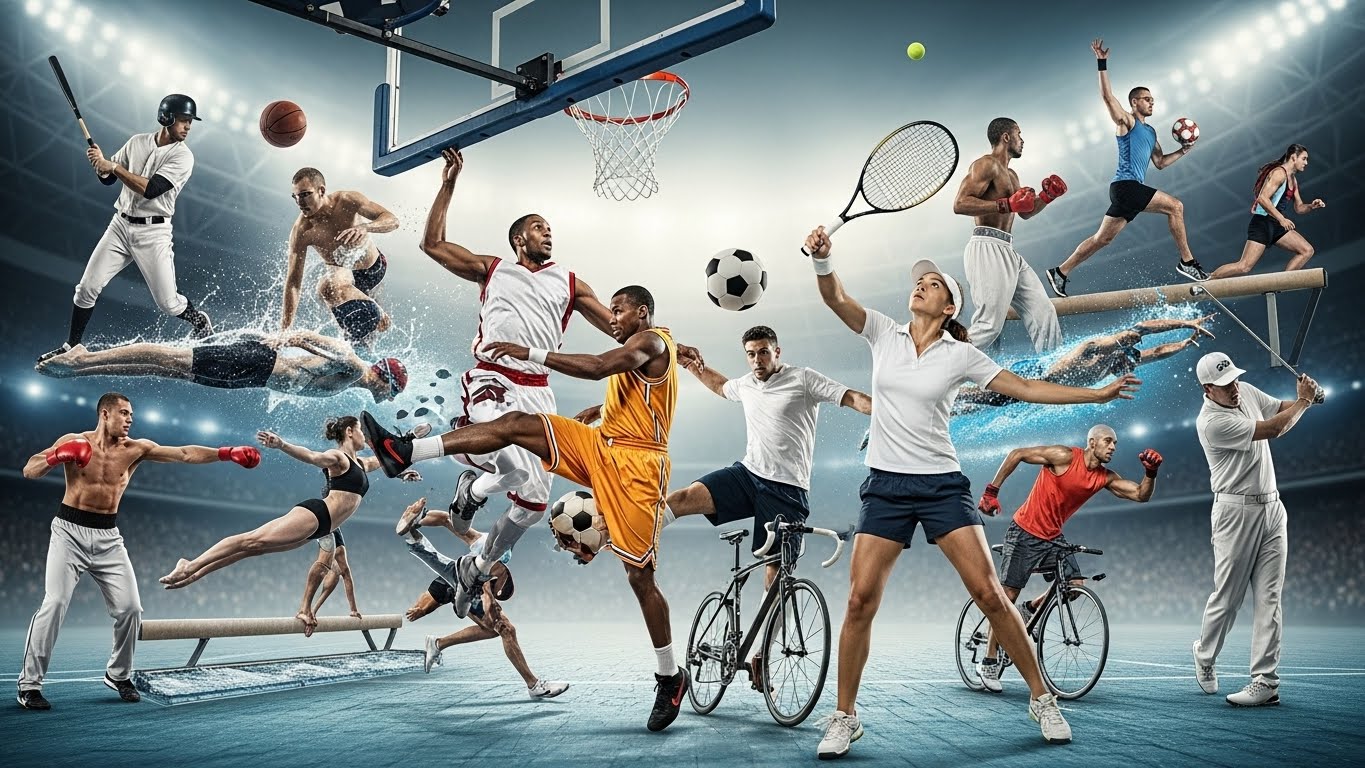
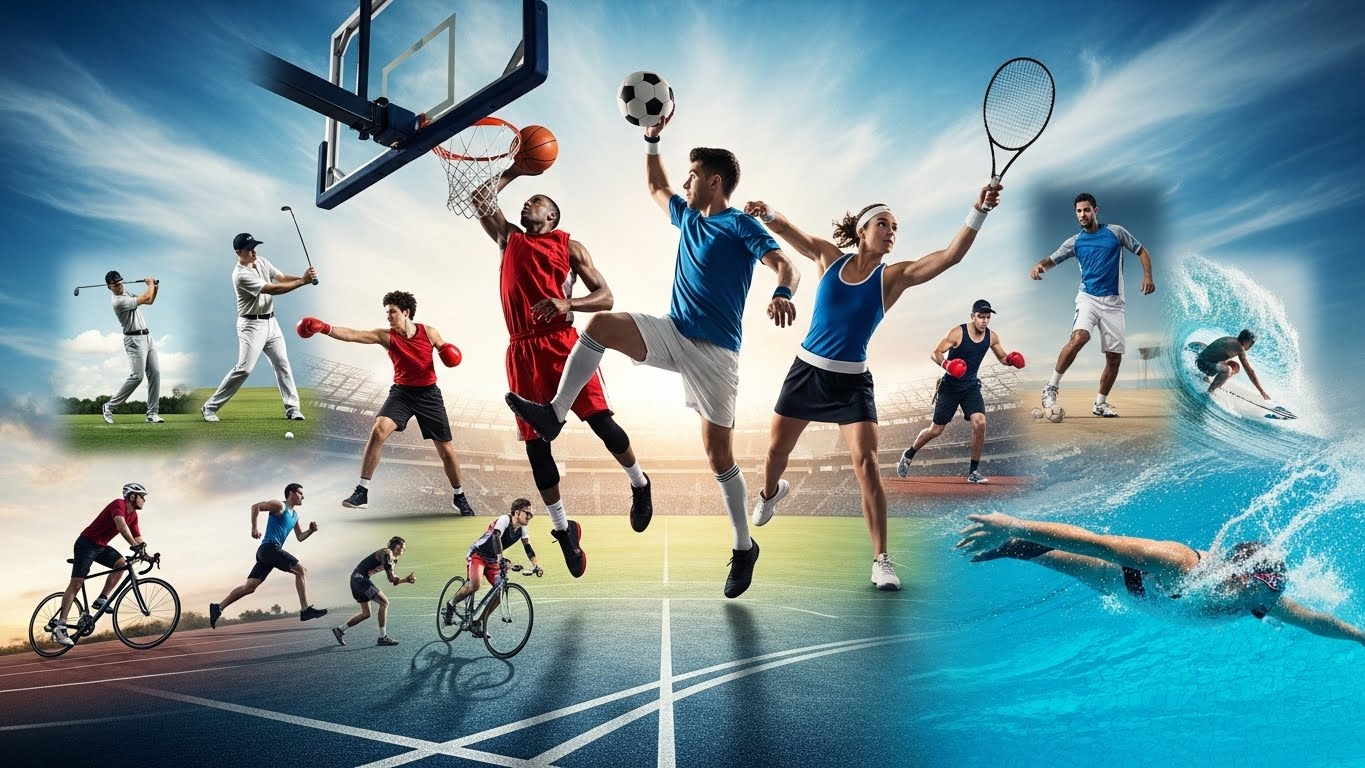
Sports are more than just games played on fields or courts; they are a reflection of human spirit, determination, and resilience. From local playgrounds to global arenas, sports bring people together, foster discipline, and inspire excellence. Whether it’s a casual jog in the park, a weekend football match, or the adrenaline-fueled excitement of professional championships, sports influence our lives in profound ways. This blog explores the impact of sports on individuals and societies, the evolution of athletic performance, and the future of sports in a rapidly changing world.
The Psychological Benefits of Sports
Participation in sports is not just about physical fitness; it significantly impacts mental health and emotional well-being. Engaging in regular physical activity releases endorphins, often referred to as “feel-good” hormones, which reduce stress and improve mood. Athletes, whether professional or amateur, often report a heightened sense of focus, discipline, and self-esteem through consistent training and competition.
Sports also teach resilience and coping strategies. Losing a game or facing a setback can be discouraging, but athletes learn to persevere, adapt, and strategize for future success. Team sports, in particular, emphasize communication, collaboration, and conflict resolution, skills that are invaluable both on and off the field. Beyond personal growth, sports can foster social connections, helping individuals build friendships and community bonds.
Physical Fitness and Athletic Performance
The physical benefits of sports are undeniable. Regular participation enhances cardiovascular health, strengthens muscles, improves flexibility, and boosts overall endurance. Athletes often follow rigorous training programs that combine strength conditioning, agility exercises, and specialized skills practice tailored to their sport.
In professional athletics, advancements in training methodologies, nutrition, and recovery techniques have led to remarkable improvements in performance. Wearable technology and performance analytics help athletes monitor heart rate, oxygen levels, and fatigue, allowing for optimized training plans. Sports medicine has also evolved, providing faster rehabilitation and injury prevention strategies. These innovations ensure that athletes not only perform at their peak but also maintain long-term health.
The Role of Teamwork and Leadership
Team sports offer unique opportunities to develop leadership skills and learn the importance of collaboration. A single player, no matter how talented, cannot succeed without effective communication and cooperation with teammates. Roles within a team, whether as a captain, strategist, or supportive player, teach responsibility and accountability.
Leadership in sports extends beyond tactical decisions. Captains and coaches inspire, motivate, and guide players through challenges. This ability to lead by example often translates into other areas of life, including education, business, and community initiatives. Sports cultivate leaders who understand the value of trust, discipline, and shared goals.
Global Influence of Sports
Sports transcend cultural, linguistic, and geographical boundaries. Events like the Olympic Games, FIFA World Cup, and international marathons unite people from diverse backgrounds under a shared passion. These global competitions showcase talent, foster cultural exchange, and promote international camaraderie.
In addition to entertainment, sports can drive social change. Initiatives leveraging sports have addressed issues like gender equality, youth development, and social inclusion. Programs that provide access to sports in underserved communities empower young people, teach life skills, and create opportunities for personal growth. Sports have the power to break down barriers, instill values, and inspire the next generation of athletes and leaders.
Technological Advancements in Sports
Technology has transformed the way sports are played, coached, and consumed. From video analysis tools that dissect every movement to advanced materials that improve equipment performance, innovation has elevated both athlete preparation and spectator experience. High-speed cameras and motion sensors enable coaches to analyze player techniques with unprecedented accuracy, reducing errors and enhancing training outcomes.
Wearable devices monitor physical parameters like heart rate, speed, and recovery time, helping athletes fine-tune their routines. Virtual reality and augmented reality are also entering sports training, providing immersive simulations for skill development without the risk of injury. Even fan engagement has evolved, with live-streaming, interactive broadcasts, and instant statistics bringing supporters closer to the action than ever before.
Iconic Athletes and Their Legacy
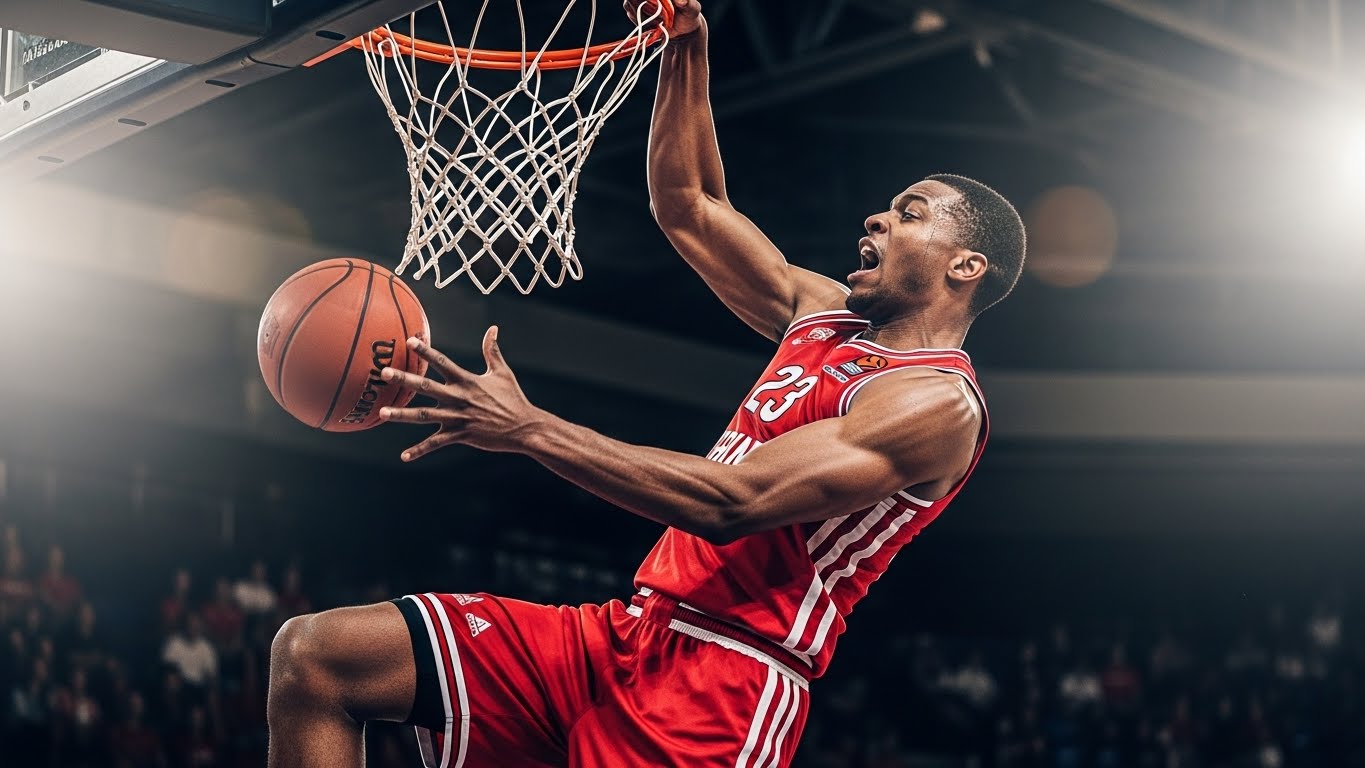
Throughout history, certain athletes have transcended their sports to become symbols of inspiration and achievement. Their dedication, perseverance, and talent motivate millions worldwide. Legends in athletics, football, basketball, and other disciplines set benchmarks that continually raise the bar for future generations.
These athletes often leverage their influence to promote causes beyond sports. Philanthropy, advocacy for social justice, and mentorship programs are examples of how sports figures contribute to society. Their stories highlight the impact of hard work, discipline, and the pursuit of excellence, proving that the lessons of sports extend far beyond the playing field.
Sports and Education
Incorporating sports into education has numerous benefits. Physical education programs encourage healthy lifestyles, instill discipline, and provide opportunities for skill development. Schools and universities that prioritize sports create well-rounded individuals who balance academics with physical fitness and teamwork.
Scholarship programs for student-athletes also open doors to higher education that might otherwise be inaccessible. Sports participation fosters time management, resilience, and goal-setting, preparing students for professional and personal challenges. By blending education and athletics, societies can nurture individuals who are not only knowledgeable but also physically capable and emotionally resilient.
The Evolution of Professional Sports
Professional sports have evolved tremendously over the past century. From small, local competitions to multi-billion-dollar industries, the commercialization and globalization of sports have changed the landscape. Television broadcasts, sponsorships, and merchandising have transformed sports into a major economic force, creating careers and industries around athletes, coaches, and sports organizations.
However, this evolution also presents challenges. The pressure to perform, financial stakes, and media scrutiny can affect athletes’ mental health. Balancing commercial interests with fair play and ethical standards is essential for sustaining the integrity and appeal of professional sports. Innovations in governance, player welfare, and fan engagement continue to shape the future of professional athletics.
The Future of Sports
Looking ahead, the future of sports will likely be influenced by technology, inclusivity, and sustainability. Virtual competitions, e-sports, and mixed reality experiences are expanding the definition of sports beyond physical arenas. Advances in materials science, biomechanics, and nutrition will continue to enhance performance and longevity in athletics.
Inclusivity will also play a key role. Initiatives promoting women’s sports, adaptive athletics for differently-abled athletes, and global access to sports programs will make athletic participation more equitable. Sustainability will be central, with eco-friendly stadiums, responsible event management, and community-driven initiatives ensuring that sports contribute positively to society and the environment.
Conclusion
Sports are far more than a pastime; they are a powerful tool for personal development, social connection, and global unity. They teach resilience, discipline, teamwork, and leadership while fostering physical health and mental well-being. The impact of sports extends into education, social initiatives, and international relations, highlighting their role as a unifying force in an increasingly complex world.
As technology advances, professional sports evolve, and inclusivity becomes a priority, the influence of sports will only grow. They inspire us to push boundaries, pursue excellence, and connect with others in meaningful ways. From playgrounds to stadiums, from local leagues to global championships, sports remind us of our potential and the joy of collective achievement. They are not just games—they are a reflection of humanity’s drive to compete, improve, and thrive.