Introduction: The Universal Language of Sports
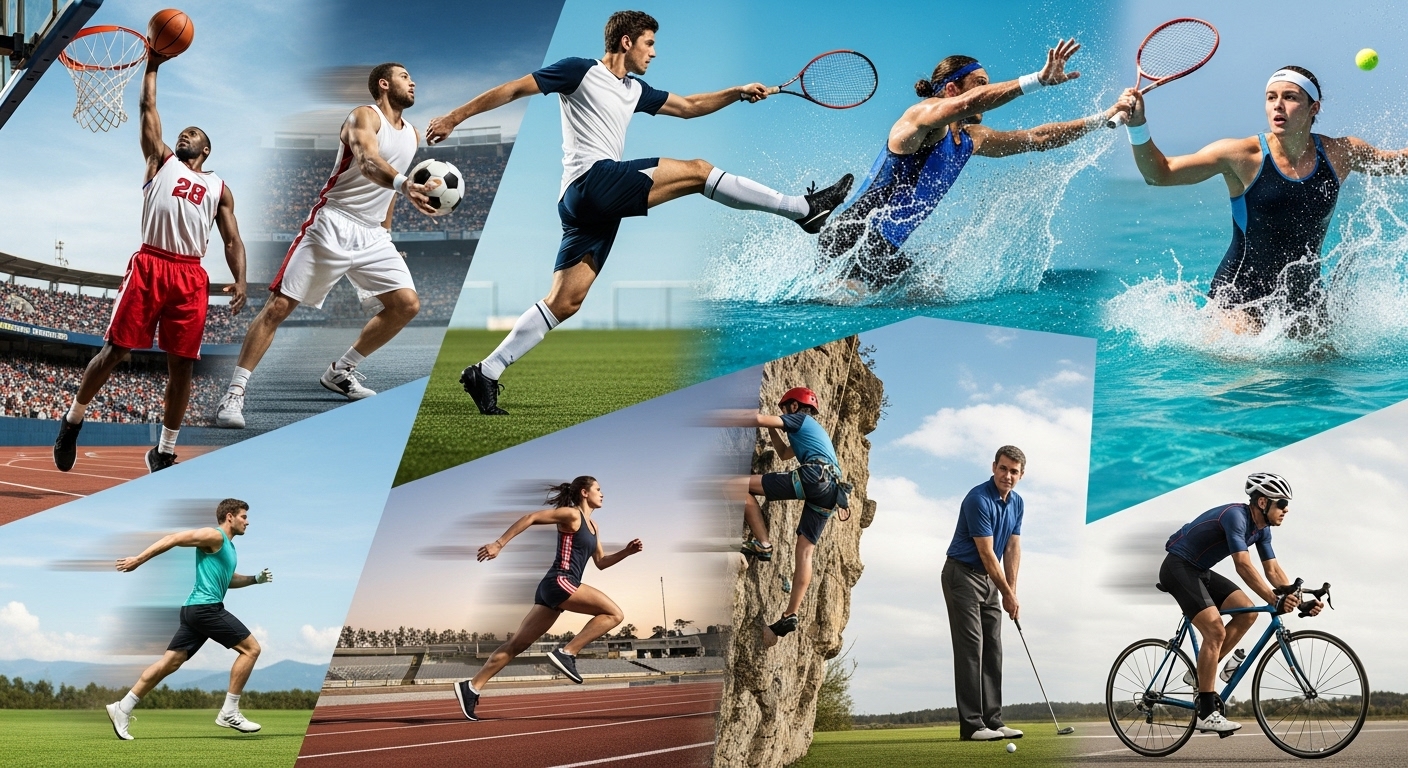
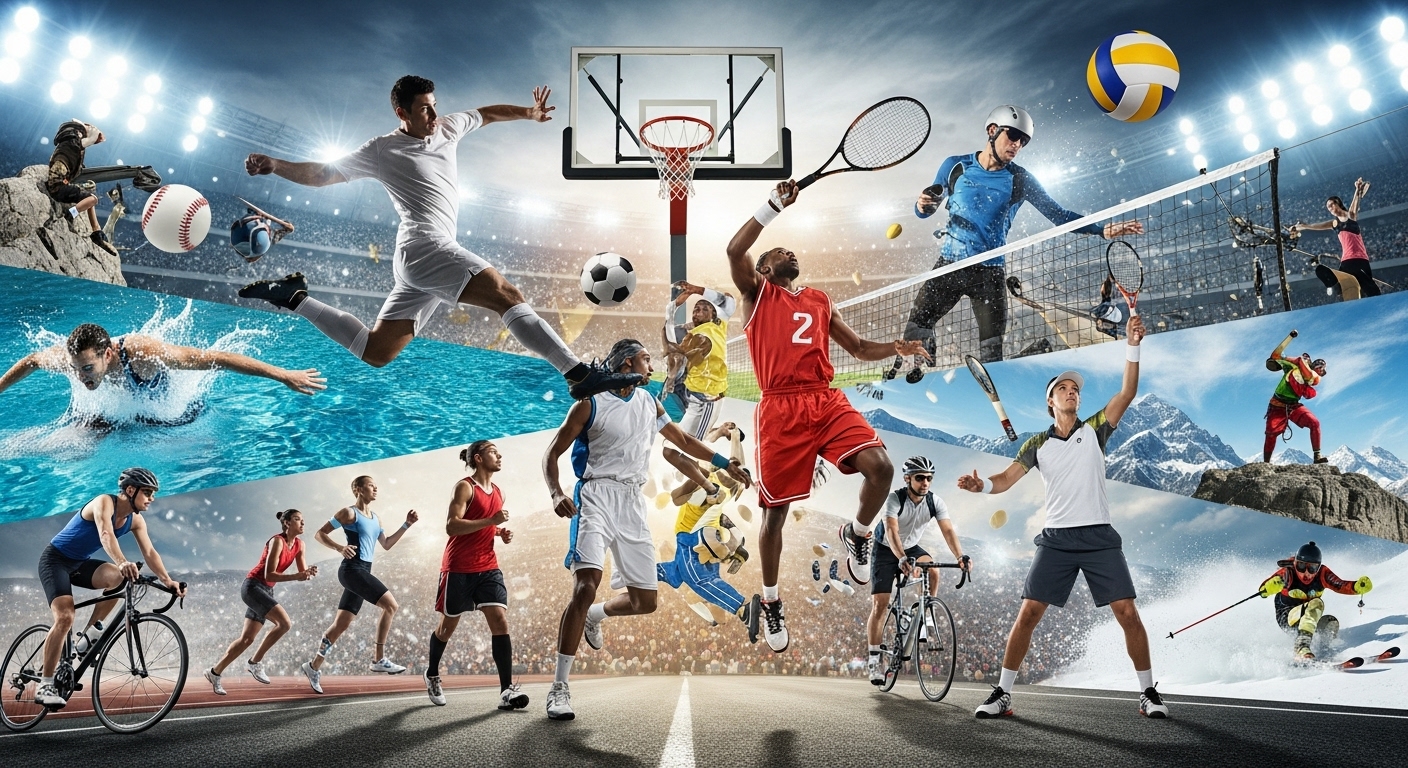
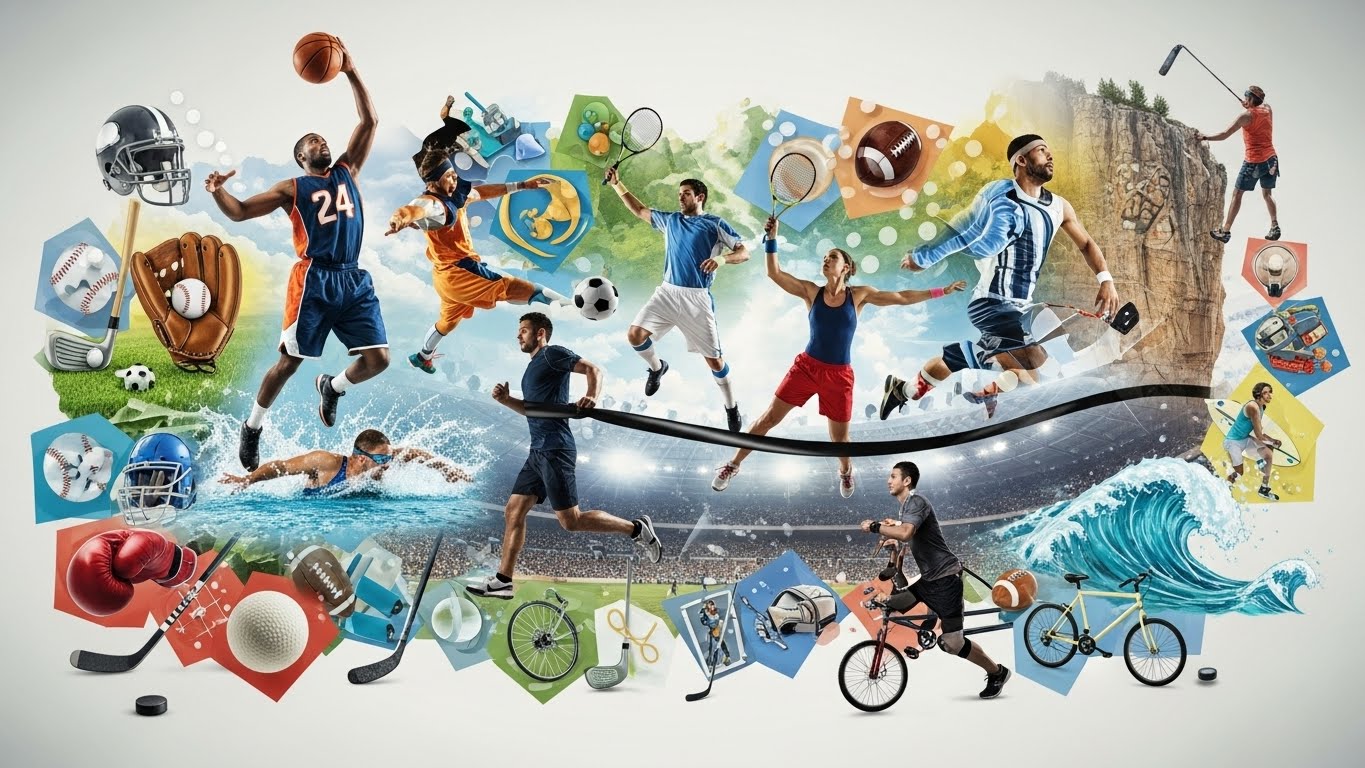
Sports have been an integral part of human culture for centuries. From the gladiatorial games of ancient Rome to the global spectacle of the modern Olympics, sports have transcended boundaries, uniting people across cultures, languages, and generations. More than just a form of entertainment, sports carry profound social, physical, and psychological benefits. They teach resilience, teamwork, and discipline, and often become a reflection of society itself. Understanding the multifaceted impact of sports allows us to appreciate why they hold such a powerful position in human life.
The Physical Benefits of Sports
One of the most obvious advantages of sports is their impact on physical health. Regular participation in athletic activities strengthens the cardiovascular system, improves muscular endurance, and enhances flexibility and coordination. Sports such as swimming, running, and cycling are excellent for maintaining a healthy weight and improving overall fitness levels. Beyond the individual, engaging in sports helps prevent lifestyle-related illnesses such as diabetes, hypertension, and obesity. Athletes often enjoy longer lifespans and improved quality of life, demonstrating that physical activity is not merely recreational but essential for holistic well-being.
Sports as a Tool for Mental Health
While the physical benefits of sports are well-documented, their impact on mental health is equally significant. Participation in sports reduces stress, anxiety, and depression by triggering the release of endorphins, the body’s natural mood elevators. Team sports provide a sense of belonging and social support, which are crucial for mental well-being. Moreover, engaging in sports fosters resilience, teaching individuals to manage setbacks and embrace challenges. The lessons learned on the field often translate to daily life, helping individuals handle adversity with greater emotional strength and confidence.
Teamwork and Leadership Development
Sports are not just about individual achievement; they cultivate teamwork and leadership skills. In team sports like soccer, basketball, or volleyball, players learn to collaborate effectively, communicate clearly, and understand the strengths and weaknesses of their teammates. These experiences translate directly to personal and professional life, where leadership, collaboration, and conflict resolution are invaluable. Even individual sports, such as tennis or athletics, foster leadership qualities through self-discipline, strategic thinking, and the ability to motivate oneself toward achieving goals.
The Social Impact of Sports
Sports serve as a powerful social glue, bringing together communities and nations. Local tournaments, school competitions, and international championships create shared experiences that transcend social and economic barriers. Sporting events foster a sense of national pride and unity, with fans rallying behind their teams irrespective of differences in background or ideology. Moreover, sports often act as a platform for social change. Athletes have historically used their visibility to raise awareness about pressing issues such as racial equality, gender rights, and environmental conservation, demonstrating that sports extend far beyond the arena.
The Role of Technology in Modern Sports
The evolution of technology has revolutionized the world of sports. From advanced analytics to wearable fitness devices, technology has enhanced performance, reduced injuries, and improved audience engagement. Coaches now rely on data-driven strategies to optimize player performance, while athletes use wearable devices to monitor heart rate, oxygen levels, and fatigue. Moreover, technology has transformed how fans experience sports. High-definition broadcasts, virtual reality simulations, and real-time statistics have made sports more interactive and immersive than ever before. The synergy between technology and sports promises to elevate both performance and enjoyment to unprecedented levels.
Sports and Youth Development
Youth involvement in sports plays a crucial role in character development and education. Participating in sports teaches children important life skills such as discipline, time management, and goal-setting. It encourages healthy habits, reduces the likelihood of engaging in harmful behaviors, and promotes social inclusion. Schools and communities that prioritize sports provide young people with constructive outlets for energy and creativity, nurturing well-rounded individuals who are better equipped to succeed in life. The confidence and self-esteem gained through sports can shape a child’s future, reinforcing the idea that athletic participation is as essential as academic learning.
Sports and Gender Equality
Historically, sports were often dominated by men, with women facing numerous barriers to participation. Over the years, however, there has been a significant push toward gender equality in sports. Female athletes are gaining recognition for their talent and dedication, inspiring future generations to pursue athletic careers. Initiatives promoting women’s sports, equal pay, and equal opportunities have made progress, though challenges remain. Sports not only provide a platform for female empowerment but also challenge societal norms, breaking down stereotypes and fostering inclusivity across all levels of participation.
The Economic Influence of Sports
Sports are also a significant driver of economic activity. Major sporting events generate revenue through ticket sales, sponsorships, merchandise, and tourism. Professional leagues provide employment opportunities for athletes, coaches, support staff, and media professionals. In addition, the sports industry fuels technological innovation, fitness trends, and local business growth. Beyond immediate economic benefits, sports contribute to long-term societal prosperity by promoting health, education, and community engagement. Understanding the economic impact of sports underscores their role not only as cultural phenomena but also as engines of growth and development.
Sports as a Catalyst for Inspiration
Few things inspire people as profoundly as witnessing human excellence in sports. The triumphs, struggles, and comebacks of athletes resonate on a deeply emotional level. Stories of individuals overcoming adversity to achieve greatness motivate fans to pursue their own goals with determination and courage. Iconic athletes often become role models, embodying values such as perseverance, integrity, and hard work. Sports, in this sense, are not just about competition; they are a testament to the potential of the human spirit, inspiring generations to dream bigger and reach higher.
Conclusion: Embracing the Spirit of Sports
Sports are far more than a pastime or entertainment; they are a powerful force for personal growth, social cohesion, and global unity. The physical, mental, social, and economic benefits of sports highlight their importance in contemporary life. From nurturing youth development to promoting gender equality, sports continue to shape societies in profound ways. Embracing the spirit of sports means recognizing its transformative potential, not only in terms of victory and defeat but in fostering resilience, camaraderie, and the pursuit of excellence. In a world that often seems divided, sports remain a universal language, reminding us of what is possible when dedication, passion, and teamwork come together.