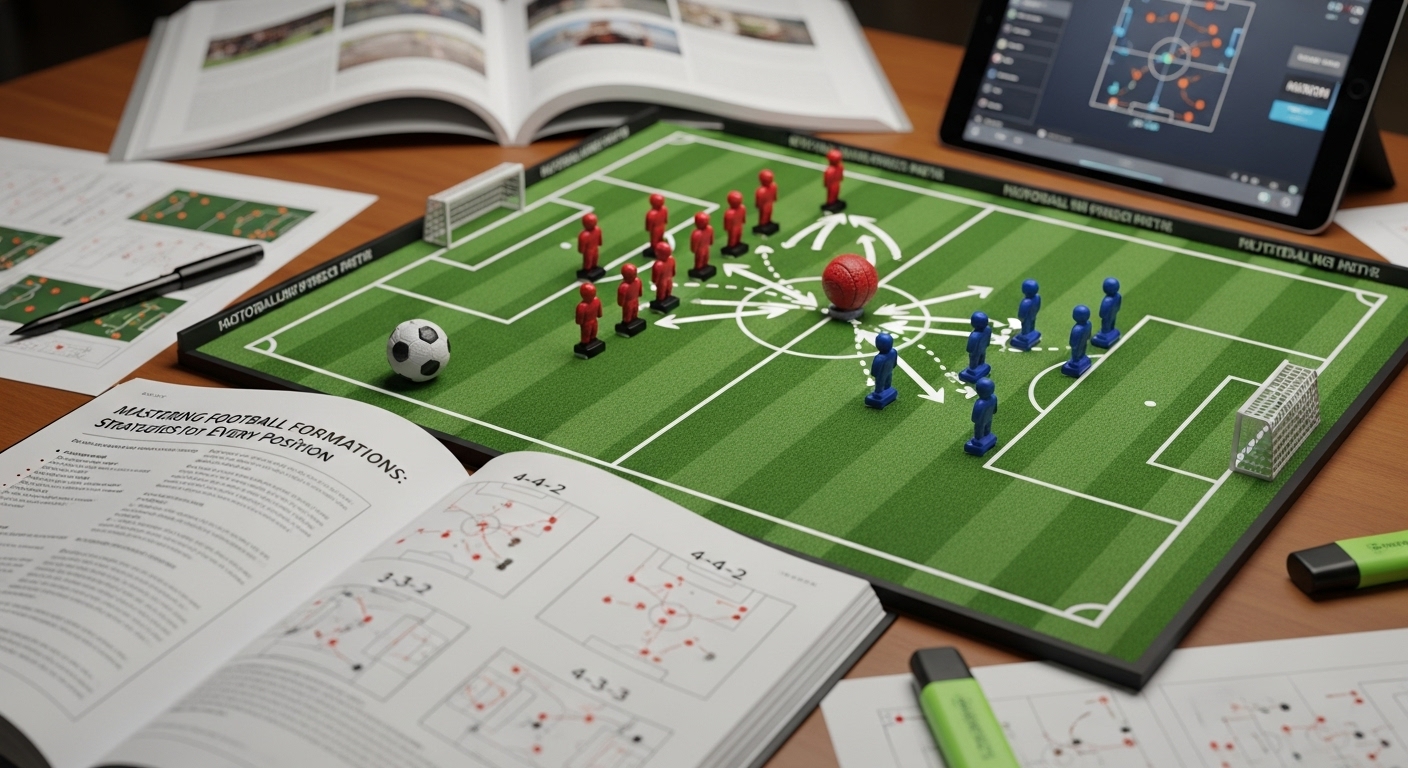
Sports have been an integral part of human civilization for centuries, transcending boundaries of culture, language, and geography. From ancient Olympic games in Greece to modern-day global events like the FIFA World Cup and the Olympics, sports have captivated the human spirit. But beyond entertainment, sports play a critical role in shaping individuals, communities, and society at large. In this post, we explore how sports influence physical health, mental well-being, social cohesion, and even personal development.
The Physical Benefits of Sports
One of the most obvious advantages of participating in sports is the improvement of physical health. Engaging in regular physical activity strengthens muscles, enhances cardiovascular health, and improves flexibility and coordination. Sports like swimming, soccer, and basketball demand constant movement, which helps maintain a healthy body weight and reduces the risk of chronic diseases such as heart disease, diabetes, and obesity.
Additionally, sports often promote better sleep patterns. Athletes or regular participants experience improved rest because physical exertion naturally stimulates the body’s need for recovery. Beyond exercise, sports also contribute to better bone density, stamina, and metabolic efficiency. For children and adolescents, engaging in sports is essential for proper growth and development, while for adults, it can prevent premature aging and maintain vitality.
Mental Health and Emotional Well-being
Sports are not just beneficial for the body—they are vital for mental health. Participation in sports has been linked to lower stress levels, reduced anxiety, and decreased depression. Physical activity triggers the release of endorphins, often referred to as “feel-good” hormones, which can elevate mood and provide a natural high. For many people, sports offer a constructive way to channel energy, frustrations, and stress, turning negative emotions into productive performance.
Team sports, in particular, teach emotional resilience. Experiencing wins and losses in a controlled environment helps individuals develop coping mechanisms, patience, and determination. Over time, athletes learn to handle pressure, setbacks, and failures—skills that are transferable to personal and professional life. Sports also provide a sense of purpose and achievement, fostering self-confidence and self-esteem in both young players and adults.
The Role of Sports in Personal Development
Beyond physical and mental benefits, sports are a powerful tool for personal development. Sports instill discipline, focus, and goal-setting abilities. Whether training for a marathon or improving performance in a tennis match, athletes must consistently dedicate time and effort to practice. This cultivates perseverance, time management, and a strong work ethic.
Leadership and teamwork are also crucial skills developed through sports. Team sports like football, basketball, and volleyball require communication, collaboration, and mutual support. Learning how to work toward a common goal, understand teammates’ strengths and weaknesses, and motivate others are invaluable lessons that translate seamlessly into careers and relationships. Even individual sports like swimming, running, or gymnastics teach self-reliance, accountability, and personal responsibility.
Sports as a Social Connector
Sports have a unique ability to bring people together. Whether as participants or spectators, sports create a shared experience that fosters community and connection. Local sports clubs, recreational leagues, and school teams provide platforms for people to meet, interact, and form friendships. These social bonds can be particularly beneficial for young people, helping them build networks and develop social skills in a structured environment.
Moreover, sports can bridge cultural, economic, and racial divides. International events like the Olympics and World Cup showcase the diversity of human talent and culture while promoting mutual respect and understanding. Even within communities, sports often serve as a common ground where differences are set aside, and teamwork and fair play take center stage. In many ways, sports act as a microcosm of society, teaching values like equality, justice, and integrity.
Inspiring Values Through Sportsmanship
At the heart of sports lies the principle of sportsmanship. Fair play, respect for opponents, humility in victory, and grace in defeat are values that transcend the playing field. Sportsmanship teaches that how one plays is as important as the outcome. These lessons are crucial for shaping ethical behavior in society and encouraging young athletes to value character over winning at any cost.
Sports also nurture empathy. Understanding opponents’ perspectives, celebrating others’ achievements, and sharing collective joy or disappointment cultivates emotional intelligence. Such experiences are fundamental in developing compassionate and socially responsible individuals.
The Global Impact of Sports
Sports have evolved beyond individual and community benefits; they now wield significant global influence. Major sporting events attract millions of viewers worldwide, generating economic growth, tourism, and international recognition for host countries. Cities invest heavily in sports infrastructure, from stadiums to training centers, boosting local economies and creating employment opportunities.
Moreover, sports can be a platform for social change. Athletes have historically used their visibility to address pressing issues like racial inequality, gender discrimination, and environmental sustainability. Sports can raise awareness, inspire activism, and mobilize communities around important causes, demonstrating that the influence of sports extends far beyond the game itself.
The Rise of Digital Sports and Technology
In recent years, technology has revolutionized the world of sports. Performance analytics, wearable devices, and virtual coaching tools have enabled athletes to track progress, optimize training, and prevent injuries. Fans can engage with their favorite sports through live streaming, social media, and interactive apps, creating a more immersive and personalized experience.
Esports has also emerged as a global phenomenon, redefining the boundaries of competitive sports. Video gaming competitions attract millions of players and viewers, challenging traditional perceptions of physical activity while emphasizing strategic thinking, teamwork, and mental agility. Technology continues to blur the lines between physical and digital sports, expanding the definition of what it means to be an athlete in the 21st century.
Youth Sports: Shaping the Next Generation
Investing in youth sports is essential for nurturing the next generation of athletes and well-rounded individuals. Early exposure to sports encourages lifelong habits of physical activity, teamwork, and goal-setting. It also provides a structured environment where children learn responsibility, time management, and perseverance.
Schools and community programs play a pivotal role in ensuring access to sports for all children, regardless of socioeconomic background. Inclusive sports programs promote equality, encourage participation, and allow every child to experience the benefits of physical activity. By fostering confidence, resilience, and social skills, youth sports lay the foundation for personal success and societal contribution.
Challenges in the World of Sports
Despite the many benefits, the sports world faces challenges that cannot be ignored. Issues such as doping, corruption, and commercialization can undermine the integrity of sports. Pressure to perform, especially at professional levels, can lead to mental health struggles, burnout, and unethical behavior.
Gender inequality is another persistent challenge. Women’s sports often receive less media coverage, funding, and recognition compared to men’s sports. Addressing these disparities is crucial to creating an inclusive environment where all athletes have the opportunity to excel and inspire.
Conclusion: Sports as a Catalyst for Growth
Sports are far more than games or competitions; they are a reflection of human potential, resilience, and community. They enhance physical health, boost mental well-being, instill vital life skills, and foster social cohesion. From nurturing young minds to inspiring global movements, the influence of sports is profound and far-reaching.
In an increasingly digital and fragmented world, sports remain a universal language—a celebration of human talent, effort, and spirit. Whether on the field, court, or virtual arena, sports remind us of the power of play and the limitless potential it unlocks in every individual. By embracing sports, we invest not only in health and entertainment but in the values, connections, and growth that define the essence of humanity.