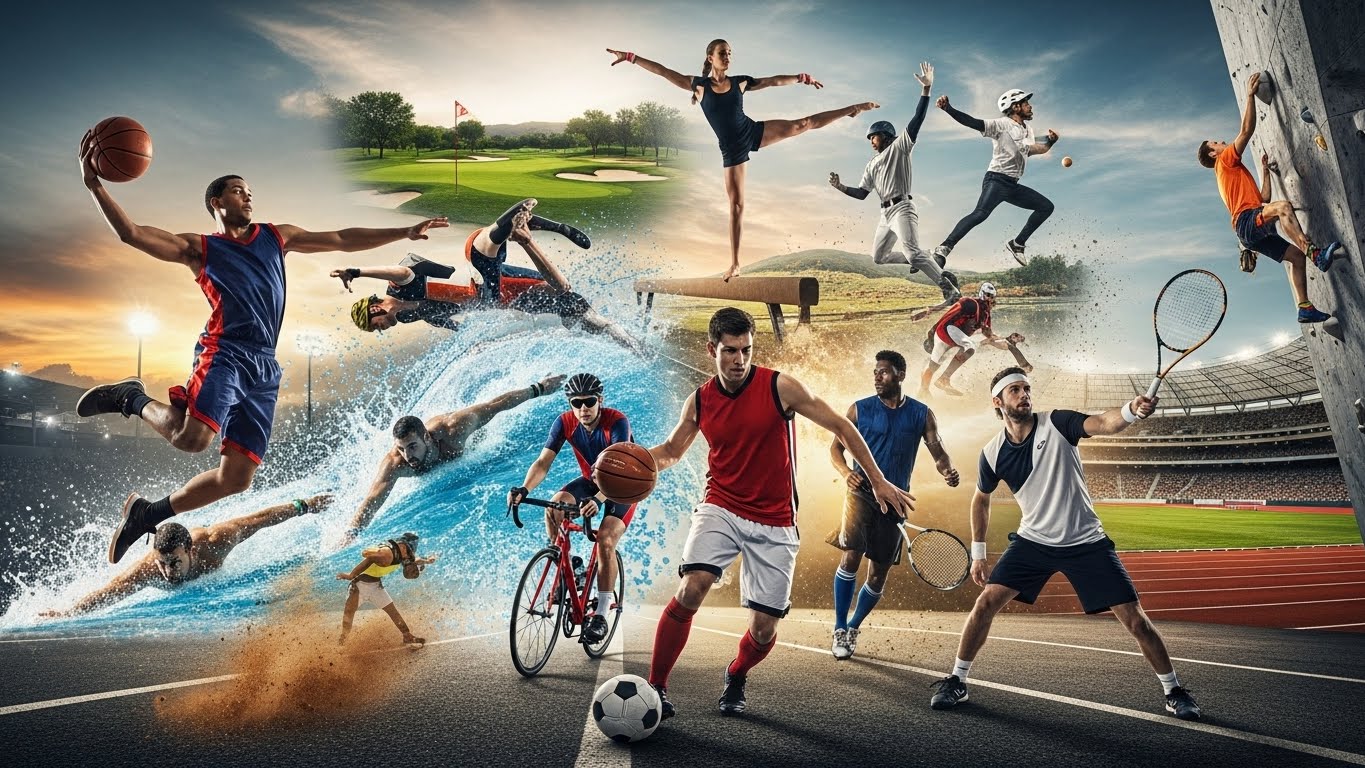

Sports are more than just games played on fields, courts, or tracks; they are a reflection of human spirit, resilience, and culture. From ancient civilizations to the modern era, sports have played a pivotal role in shaping societies, teaching life lessons, and bringing people together. The influence of sports extends far beyond mere physical activity—it impacts mental well-being, social cohesion, and even personal identity. In this blog, we will explore the multifaceted world of sports, examining its historical significance, social impact, health benefits, and cultural relevance.
The Historical Significance of Sports
Sports have been an integral part of human history for thousands of years. Ancient civilizations, including the Greeks, Romans, and Egyptians, organized competitions that were as much about culture as they were about athleticism. The Olympic Games, originating in ancient Greece, were not only a display of physical prowess but also a celebration of unity and excellence. These early sporting events were intertwined with religious rituals, political statements, and community bonding.
Over time, sports evolved to become more structured and professional. The medieval period saw tournaments like jousting and archery competitions, while the industrial era brought organized leagues, codified rules, and international competitions. Each period in history highlights how sports mirrored societal values and priorities, demonstrating that they have always been a medium for human expression and achievement.
Sports as a Social Glue
One of the most remarkable aspects of sports is their ability to bring people together. Regardless of age, gender, or background, sports foster a sense of community and shared identity. Local clubs, school teams, and professional leagues create social networks where individuals collaborate, compete, and celebrate achievements collectively.
The camaraderie built through sports extends beyond players. Fans form communities around teams and athletes, generating a collective spirit that transcends daily life. Sporting events often serve as cultural rituals, where shared emotions—from the thrill of victory to the agony of defeat—reinforce social bonds. Even in a globalized world, sports act as a universal language, connecting people across nations, cultures, and languages.
Physical Health Benefits of Sports
Engaging in sports provides undeniable physical health advantages. Regular participation improves cardiovascular health, strengthens muscles and bones, and enhances flexibility and coordination. Sports also help in weight management and reduce the risk of chronic diseases such as diabetes, hypertension, and obesity.
Moreover, different sports offer unique physical benefits. Endurance-based sports like long-distance running and swimming enhance stamina and lung capacity, while strength-focused activities such as weightlifting and wrestling build muscle mass and resilience. Team sports like soccer, basketball, and volleyball promote agility, reflexes, and balance. By integrating physical activity into daily life through sports, individuals can maintain a healthier lifestyle while enjoying an engaging and motivating experience.
Mental Health and Cognitive Benefits
The influence of sports extends beyond physical fitness. Engaging in sports significantly improves mental health by reducing stress, anxiety, and depression. Exercise stimulates the release of endorphins, the body’s natural mood elevators, leading to enhanced emotional well-being. Sports also provide a constructive outlet for frustration and aggression, offering a healthy means to channel emotions.
Cognitive benefits are another often-overlooked aspect. Strategic sports like chess, cricket, and soccer require planning, decision-making, and problem-solving under pressure. Regular engagement in such activities strengthens cognitive abilities, including focus, memory, and analytical thinking. Furthermore, learning new skills in sports promotes neuroplasticity, helping the brain adapt and grow in response to challenges.
The Role of Discipline and Resilience
Sports teach invaluable life lessons that extend far beyond the playing field. Discipline is at the core of every athlete’s journey. Consistent practice, adherence to rules, and a commitment to improvement are essential for success in sports. These habits often translate into other aspects of life, helping individuals cultivate time management, goal-setting, and self-regulation skills.
Resilience is another critical attribute developed through sports. Every athlete experiences failure, whether through losing a match, missing a goal, or facing injury. Learning to cope with setbacks and persist despite challenges instills mental toughness. This resilience often carries over into personal and professional life, equipping individuals to face adversity with courage and determination.
Sports as a Platform for Social Change
Beyond individual development, sports have historically been a powerful platform for social change. Athletes have used their visibility to advocate for equality, justice, and human rights. Icons like Muhammad Ali, Billie Jean King, and Serena Williams have broken barriers and challenged societal norms, inspiring generations to fight for fairness and inclusivity.
Sports can also drive community development. Grassroots initiatives, local leagues, and school programs provide opportunities for youth to engage in productive activities, reducing crime and promoting social cohesion. By emphasizing teamwork, cooperation, and fair play, sports foster ethical values and civic responsibility, making them a potent tool for societal progress.
The Cultural Impact of Sports
Sports play a crucial role in shaping cultural identity. National pride often finds expression through athletic achievements, with international competitions like the Olympics and World Cup serving as symbols of unity and national prestige. Local sports, traditional games, and indigenous practices also preserve cultural heritage, passing down customs and values through generations.
Media and entertainment have further amplified the cultural significance of sports. Sports icons become cultural symbols, their achievements celebrated in films, books, and art. Sporting rituals, chants, and fan traditions contribute to a shared cultural experience, weaving sports into the very fabric of society.
Technological Advancements in Sports
Technology has transformed the way sports are played, viewed, and analyzed. Innovations such as wearable fitness trackers, video-assisted refereeing, and performance analytics have enhanced athletic training and fairness in competition. Digital platforms allow fans to engage with their favorite teams and athletes in unprecedented ways, from live streaming to virtual reality experiences.
Moreover, technology has democratized sports participation. Online coaching, fitness apps, and interactive tutorials make it easier for anyone to learn and improve, regardless of location or resources. By combining human skill with technological advancements, modern sports continue to evolve and push the boundaries of performance.
The Future of Sports
The future of sports promises even more integration of physical, mental, and digital dimensions. Emerging trends include e-sports, virtual competitions, and data-driven performance optimization. Sustainability and inclusivity are becoming central considerations, with initiatives to make sports more environmentally responsible and accessible to all.
Despite these innovations, the essence of sports remains unchanged: a celebration of human potential, collaboration, and passion. Whether through traditional games, modern athletic pursuits, or emerging digital arenas, sports will continue to inspire, challenge, and unite people across the globe.
Conclusion: More Than Just a Game
In essence, sports are far more than recreational activity. They are a dynamic force that shapes individual lives, strengthens communities, and influences global culture. Through physical health benefits, mental well-being, social cohesion, and ethical lessons, sports contribute to holistic human development. They teach resilience in the face of challenges, discipline in pursuit of goals, and empathy through teamwork.
As society evolves, sports will continue to adapt, incorporating new technologies, cultural trends, and ethical considerations. Yet, the fundamental role of sports—as a unifying, inspiring, and transformative element of life—remains timeless. Every match played, every race run, and every skill honed represents not just competition, but the enduring spirit of humanity striving for excellence.
In embracing sports, we embrace more than a game; we embrace a path toward personal growth, community engagement, and cultural enrichment. Sports remind us that no matter the field, court, or arena, the true victory lies in the lessons we learn, the connections we build, and the joy of playing the game.