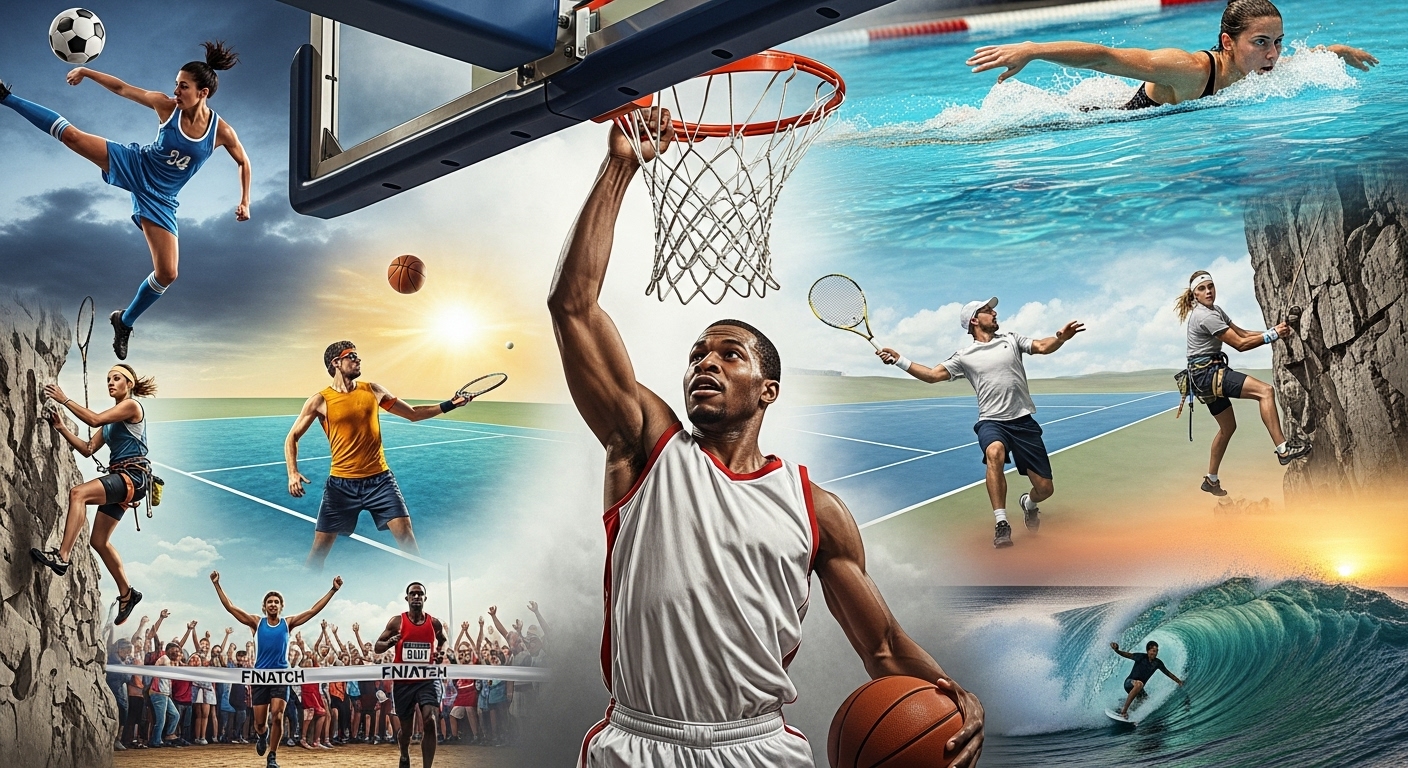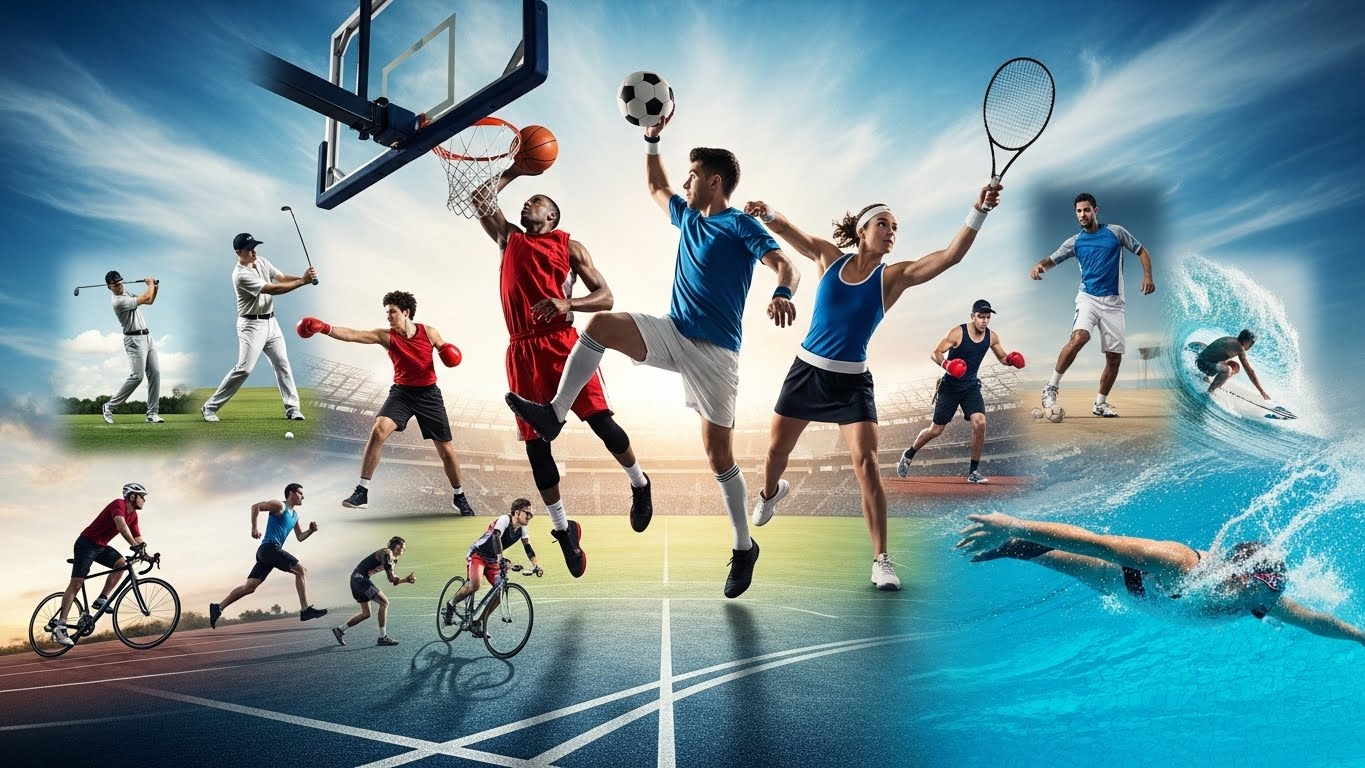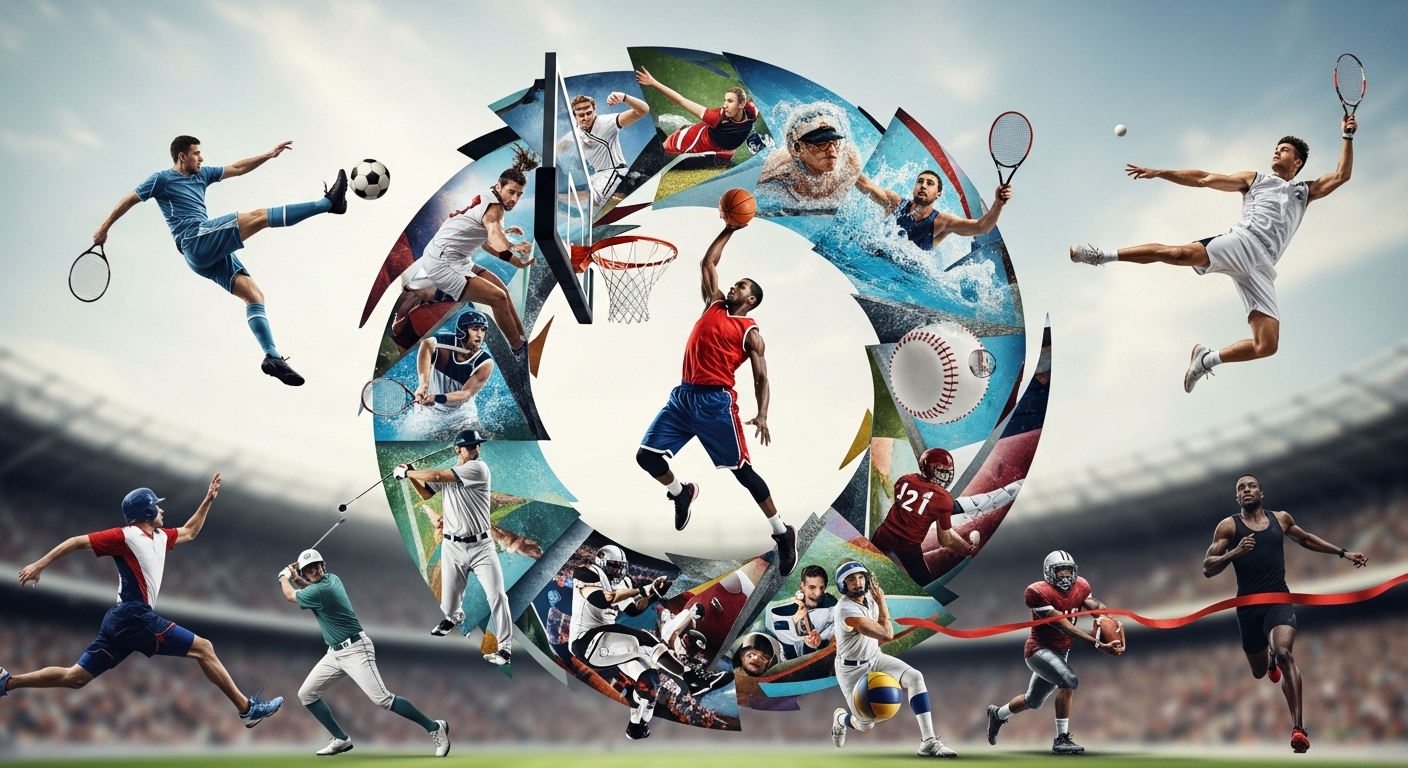

Sports are more than just games; they are a powerful, global language that unites people across cultures, regions, and backgrounds. Whether it’s the passion of a football fan in South America, the intensity of cricket matches in India, or the fierce competition of the Olympic Games, sports have a universal appeal. At their core, sports represent the values of dedication, teamwork, competition, and the pursuit of excellence. They embody the human spirit in its most pure and competitive form, offering both athletes and fans a unique form of escape and connection.
In this blog, we will explore the multifaceted world of sports, diving into their importance not only as a form of entertainment but also as a critical aspect of personal development, community building, and global unity.
The Role of Sports in Personal Growth
The impact of sports on an individual’s personal development cannot be overstated. From early childhood to adulthood, participating in sports can be transformative. Engaging in physical activities, whether competitive or recreational, teaches essential life skills that go beyond the game itself.
Discipline and Work Ethic
One of the most immediate lessons sports impart is discipline. Whether it’s waking up early for practice, adhering to a rigorous training regimen, or following the rules of a game, athletes learn that consistent effort is the key to improvement. It’s not just about winning; it’s about putting in the work day after day, even when the results aren’t immediate. This discipline often translates into other areas of life, such as academics, professional careers, and personal relationships.
Resilience and Overcoming Adversity
Every athlete faces setbacks, whether it’s losing a game, suffering an injury, or struggling to improve their skills. Sports teach resilience—the ability to bounce back after failure. Resilience is crucial not only in sports but in life. When athletes face challenges, they learn how to cope with disappointment, adapt, and keep pushing forward. The ability to rise from failure with renewed determination is one of the most valuable lessons sports offer.
Time Management
Balancing academics, social life, and sports can be a daunting challenge, but athletes learn time management like few others. From organizing practice schedules to ensuring proper recovery and rest, athletes learn to prioritize tasks and make the most of their time. This skill is especially valuable as they move into professional life, where the ability to juggle multiple responsibilities becomes essential.
The Power of Teamwork and Collaboration
One of the defining features of many sports is the emphasis on teamwork. Whether it’s football, basketball, or rowing, successful teams rely on collaboration and mutual support. Individual talent can shine, but it’s the ability to work together as a cohesive unit that often leads to victory.
Building Trust and Communication
In team sports, athletes must trust each other. A football player relies on their teammates to make the right passes, and a basketball player depends on their teammates for proper positioning and assists. Trust is a fundamental component of teamwork, and the more athletes work together, the more they learn to rely on one another. Furthermore, effective communication on and off the field is crucial for team success. Sports teach individuals how to convey their ideas clearly, make quick decisions, and listen actively to others.
Fostering Mutual Respect
Sports often bring together people from different walks of life. Teammates may come from different countries, cultures, and socioeconomic backgrounds. However, on the field, these differences often melt away as athletes work towards a common goal. The bonds forged in sports are based on mutual respect and shared experiences. Over time, athletes come to appreciate their teammates’ strengths, differences, and contributions to the team.
Leadership Development
Sports offer numerous opportunities for leadership development, whether it’s through captaining a team or motivating peers to do their best. Leaders in sports must inspire confidence, lead by example, and keep morale high, even when faced with difficult circumstances. These leadership skills are transferable to professional environments, where the ability to lead and inspire a team is invaluable.
Sports as a Vehicle for Social Change
Beyond the field or court, sports have the power to be a platform for social change. Athletes have long used their platform to raise awareness about critical issues, challenge injustices, and promote equality.
Breaking Down Barriers
One of the most profound ways in which sports drive social change is by breaking down societal barriers. Sports can transcend racial, cultural, and gender divides, bringing people from all walks of life together. For instance, the desegregation of Major League Baseball in the United States by Jackie Robinson was a pivotal moment in both sports history and the civil rights movement. Similarly, the fight for gender equality in sports has been exemplified by athletes like Billie Jean King, who fought for equal pay for women in tennis.
Sports and Activism
In recent years, athletes have become increasingly vocal about political and social issues. From Colin Kaepernick’s kneeling protest against racial injustice in the United States to the global protests surrounding climate change, sports provide a unique platform for athletes to use their influence for a cause. In many cases, sports have been the spark for societal change, showing that the field is not just a place for competition, but also for activism and advocacy.
Promoting Inclusion and Diversity
Sports are often at the forefront of promoting diversity and inclusion. With initiatives aimed at encouraging participation from underrepresented communities, sports organizations have taken proactive steps to create more equitable opportunities for athletes of all backgrounds. This includes initiatives aimed at increasing female participation in traditionally male-dominated sports, as well as programs designed to make sports accessible to children from disadvantaged backgrounds.
The Global Impact of Sports
Sports have a far-reaching global impact, acting as a universal language that transcends national borders. Major international sporting events, such as the Olympic Games and the FIFA World Cup, bring nations together and create a sense of unity and camaraderie.
A Celebration of Cultural Identity
While sports have the power to unite, they also celebrate cultural identity. Each sport has its roots in specific regions, and national pride often plays a significant role in the excitement and energy surrounding international sporting events. The World Cup, for example, is more than just a football tournament; it is a celebration of the countries and cultures that make up the global community. The Olympic Games offer similar opportunities, where athletes represent not just themselves, but their nations and cultures, creating an opportunity for mutual respect and understanding.
The Economics of Sports
Sports also play a critical role in the global economy. Major sporting events generate billions of dollars in revenue, impacting everything from tourism to television broadcasting. The business of sports spans industries such as marketing, sponsorship, and media, creating thousands of jobs and opportunities for economic growth. For host cities, the economic impact of sporting events can be immense, from increased tourism to infrastructure development.
Sports Diplomacy
In many cases, sports can serve as a tool for diplomacy. Governments and international organizations have used sports as a means to foster peaceful relations between nations. The famous “ping-pong diplomacy” between the United States and China in the 1970s is just one example of how sports have been used to open diplomatic dialogue. The ability to come together through a shared love of sport can ease tensions and create channels for international cooperation.
Sports as Entertainment: The Emotional Rollercoaster
At its most fundamental level, sports are a form of entertainment. The excitement, the drama, the nail-biting finishes—sports provide an emotional experience like no other. Whether you’re watching your favorite team make a comeback, witnessing a record being broken, or simply enjoying the thrill of competition, sports offer a rollercoaster of emotions.
The Thrill of Victory
Victory in sports is an unparalleled emotion. The rush of adrenaline when an athlete scores the winning goal or when a team clinches a championship title is a feeling that resonates with players and fans alike. For athletes, the triumph is often the culmination of years of hard work, sacrifice, and dedication. For fans, it’s the validation of their support and belief in their team.
The Agony of Defeat
Just as exhilarating as victory is the crushing blow of defeat. Whether it’s an unexpected loss or falling short after a season of hard-fought competition, defeat can be devastating. However, these moments are just as important as the victories. The emotional rollercoaster that fans and athletes alike go through creates a deep connection to the sport. It’s this intensity, this emotional engagement, that makes sports so captivating.
Sports as a Source of Community
Sports bring people together in ways few other activities can. They create a sense of belonging and camaraderie, whether you’re cheering for a local team or supporting your nation in an international competition. The shared experience of watching a game, whether in a stadium or in front of a television, fosters a sense of community and unity. Fans become part of a larger collective, united by their love of the sport and their team.
Conclusion: The Enduring Legacy of Sports
Sports are much more than just a form of recreation or competition—they are a fundamental part of human culture and society. From fostering personal growth to promoting social change, from building global unity to providing entertainment, the impact of sports on our lives is profound and far-reaching. They challenge us to be better, to work harder, and to come together as a community.
Whether you’re an athlete striving for greatness or a fan cheering from the stands, sports offer a unique and powerful way to connect with the world around you. In a world that can often seem divided, sports serve as a reminder that we all share a common desire to achieve, to compete, and to celebrate the triumph of the human spirit.
So, the next time you watch a game or step onto the field yourself, remember: sports are not just about the score, the medals, or the accolades. They are about the journey—the dedication,