Basketball, a sport played and watched by millions worldwide, is not only one of the most popular games of the 21st century but also a sport that has shaped and been shaped by cultures, communities, and individuals. Played in every corner of the globe, from the crowded courts of urban areas to the grand stadiums in major cities, basketball has become a symbol of athleticism, teamwork, and competition. This blog post delves into the history of basketball, its rules, key players, its rise to global fame, and its profound impact on culture and society.
The Birth of Basketball
A Winter Game to Keep Students Active
Basketball’s origins trace back to 1891, when Dr. James Naismith, a physical education instructor at the International YMCA Training School in Springfield, Massachusetts, was tasked with creating a game to keep his students engaged during the harsh winter months. With the weather preventing them from playing traditional outdoor sports, Naismith sought a way to merge existing games with a dynamic indoor format. His first step was to devise a simple set of rules that could be played inside the school’s gymnasium. The result was a game where two teams of nine players each tried to score by shooting a soccer ball into a peach basket. This early version of basketball lacked many of the elements seen today, such as dribbling or the fast-paced play that characterizes the sport.
Naismith’s rules were written on a piece of paper and, on December 21, 1891, he introduced the game to his class. The first game of basketball was played with a soccer ball, and instead of a hoop, Naismith used a peach basket as the goal, which required someone to retrieve the ball manually after every shot. Despite these humble beginnings, the game quickly garnered attention due to its engaging and dynamic nature, laying the foundation for the sport’s future.
The Spread of Basketball Across America
As the game of basketball grew in popularity, it spread quickly beyond Springfield. Schools and colleges across the United States adopted the game, and the first professional leagues began to emerge in the early 1900s. The formation of the first major league, the National Basketball League (NBL), in 1898, signaled the growing commercial appeal of the sport. Though the NBL only lasted a few years, its failure paved the way for other organizations to form, ultimately leading to the creation of the National Basketball Association (NBA) in 1946.
Basketball’s widespread popularity in schools, universities, and community centers marked its transition from a physical education tool into a competitive sport played by both amateurs and professionals. The establishment of the NCAA Men’s Basketball Tournament in 1939 gave the sport national exposure, and as television coverage grew in the 1950s and 1960s, basketball’s popularity soared, especially in the United States.
The Rise of Professional Basketball: The NBA’s Influence
The NBA’s Founding and Early Years
The National Basketball Association (NBA), now the most prestigious basketball league globally, was founded in 1946. Initially, it was formed as the Basketball Association of America (BAA) before merging with the National Basketball League (NBL) in 1949. From the 1950s onward, the NBA began to shape itself as the dominant league for professional basketball. Early NBA stars like George Mikan, who played for the Minneapolis Lakers, helped to establish the foundation for the league’s success by making basketball a more entertaining and competitive spectacle.
In the 1960s and 1970s, the league’s growth was aided by the increasing popularity of television broadcasts. The NBA’s national exposure on TV made it accessible to a broader audience, and soon, teams from across the U.S. began to capture the public’s attention. Players like Bill Russell and Wilt Chamberlain became household names, setting new standards for the game and elevating the league’s profile. Their rivalry, which pushed the boundaries of skill and athleticism, contributed to the NBA’s growing stature as a major professional league.
The Golden Age of the NBA
By the 1980s, the NBA had entered what is often referred to as the “Golden Age.” This period witnessed the emergence of two of the most influential basketball players in history: Magic Johnson and Larry Bird. Their rivalry, playing for the Los Angeles Lakers and Boston Celtics respectively, created a competitive energy that turned basketball into an even greater spectacle. Magic and Bird’s rivalry was instrumental in expanding the NBA’s appeal beyond the U.S. borders, and their impact on the game’s development is still felt today.
However, it wasn’t until Michael Jordan entered the NBA in 1984 that basketball truly became a global phenomenon. Jordan’s success with the Chicago Bulls, which included six NBA championships and five MVP awards, combined with his marketability, helped elevate the NBA to a level of international stardom. Jordan’s transcendent skills, combined with his unmatched competitiveness, helped turn the NBA into a cultural force. His “Air Jordan” brand became iconic, and his influence in popular culture transcended the sport itself.
In the 1990s, the NBA’s popularity exploded worldwide, thanks in large part to Jordan’s dominance. By the time Jordan retired in 1999, the NBA had firmly established itself as the world’s premier basketball league, attracting players from all over the globe, including future stars like Kobe Bryant and LeBron James.
The Globalization of the NBA
The NBA’s success has not been confined to the United States. As the sport grew in popularity around the world, players from all continents began to enter the league. International players like Dirk Nowitzki from Germany, Yao Ming from China, and Giannis Antetokounmpo from Greece brought a global flair to the NBA. These players didn’t just add skill and talent to the league; they also attracted an international fanbase, growing the NBA’s global presence.
As the NBA began to feature more international players, it marked a significant shift in how basketball was played. Different playing styles, influenced by different cultures, began to emerge within the league, enriching the game’s diversity and making it even more exciting to watch. In the 21st century, the NBA has become a truly global sport, with teams attracting fans from all corners of the world. Today, NBA games are broadcast in over 200 countries, and the league hosts multiple events outside the U.S., including preseason games in Europe and Asia.
The Basics of Playing Basketball
The Rules of the Game
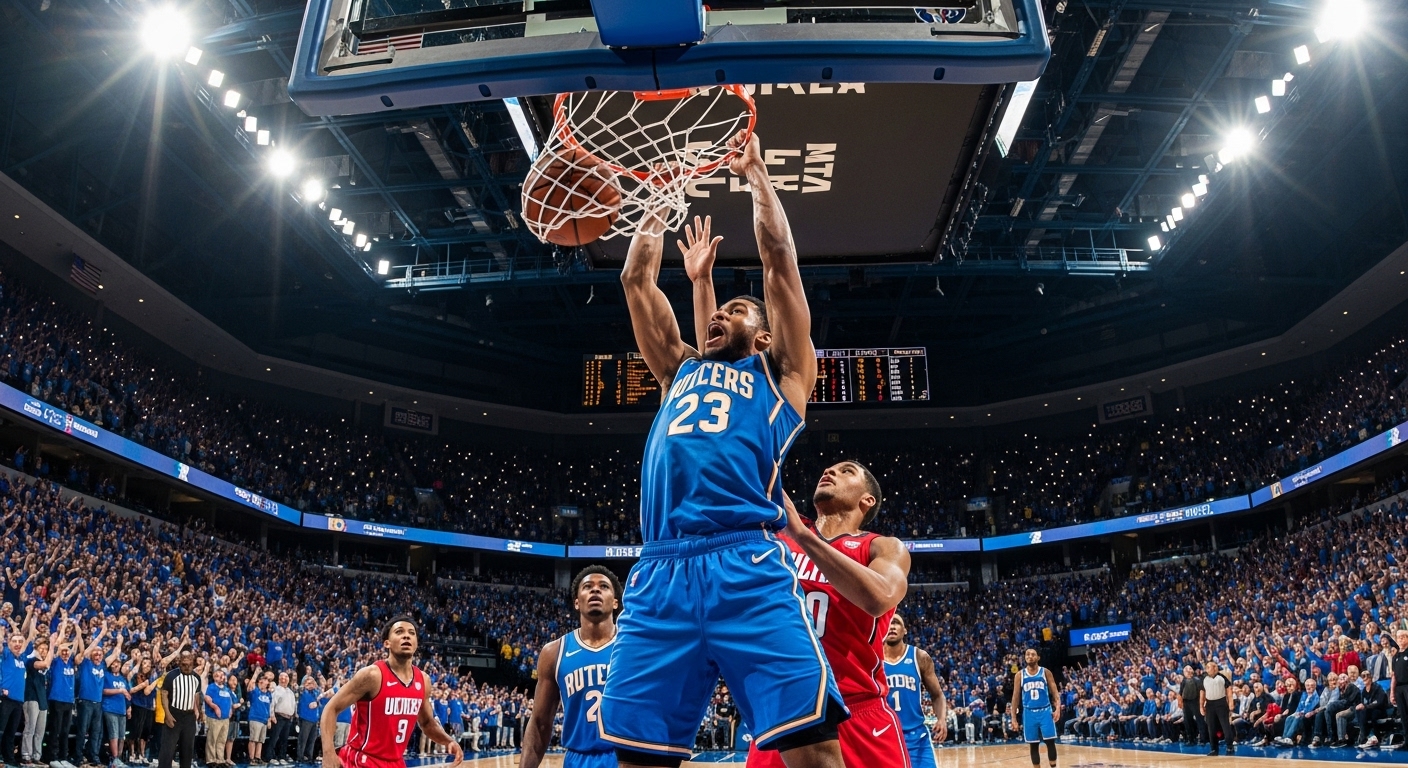
Basketball, while simple to understand at its core, is a highly strategic and dynamic sport. The game is played between two teams of five players on a rectangular court. The goal is to score more points than the opposing team by shooting the basketball through a hoop, which is positioned 10 feet above the ground. A team’s offense is responsible for advancing the ball, while the defense tries to stop them by blocking shots, stealing the ball, and forcing turnovers.
Points can be scored in different ways:
- Field Goals: A field goal is worth two points if the shot is made inside the three-point line and three points if the shot is made beyond the line.
- Free Throws: After certain fouls, a player may be awarded free throws, worth one point each.
A basketball game is divided into two halves or four quarters, depending on the level of play. A team has 24 seconds to attempt a shot after gaining possession of the ball, which is called the shot clock. This rule ensures that the game remains fast-paced and exciting.
The Positions on the Court
Each basketball team consists of five primary positions, each with specific roles:
- Point Guard: Often considered the “floor general,” the point guard is responsible for running the offense, distributing the ball, and making decisions on the court.
- Shooting Guard: The shooting guard is often the best shooter on the team, responsible for scoring from the perimeter and driving to the basket.
- Small Forward: A versatile player, the small forward is expected to contribute both offensively and defensively, often acting as a scoring option and a primary defender.
- Power Forward: The power forward plays close to the basket, mixing strength and agility to score inside and rebound effectively.
- Center: The center is usually the tallest player on the team, responsible for blocking shots, grabbing rebounds, and scoring near the basket.
Each position contributes to a team’s success, and the interplay between these positions forms the foundation of the game’s strategy.
The Impact of Basketball on Society
Basketball and Culture
Basketball has evolved into more than just a sport; it is a cultural phenomenon that has significantly influenced music, fashion, and lifestyle. Players like Michael Jordan, Kobe Bryant, and LeBron James have become household names, not just for their on-court success, but for their roles as cultural icons. Jordan’s partnership with Nike to create the Air Jordan line of shoes revolutionized sneaker culture, and his visibility in the media helped elevate basketball players to the level of celebrities.
Basketball also plays a role in shaping youth culture, particularly in urban areas. Many children view basketball as a way to rise out of poverty and achieve success. The sport has become synonymous with perseverance, teamwork, and resilience, teaching life lessons that extend far beyond the court.
Social Justice and Activism
In recent years, basketball players have used their platform to advocate for social justice issues. LeBron James, for example, has been outspoken on issues of racial inequality, using his status as one of the world’s top athletes to speak out against injustice. The NBA has supported players in using their voices for activism, with initiatives like “Black Lives Matter” and community outreach programs helping to amplify social causes.
Basketball has also played a role in promoting inclusivity. The rise of women’s basketball, with the establishment of the WNBA (Women’s National Basketball Association) in the U.S. and international competitions like the FIBA Women’s World Cup, has expanded the sport’s reach to female athletes. Women’s basketball continues to inspire future generations, showcasing that athleticism and talent know no gender boundaries.
The Future of Basketball
Basketball continues to evolve, and the future of the sport looks brighter than ever. As technology advances, fans are now able to experience the game in new and innovative ways, from virtual reality experiences to advanced data analytics that provide deeper insights into the game. The global reach of the NBA and other basketball leagues around the world shows that the sport’s popularity is not slowing down.
The rise of international stars and the continued growth of women’s basketball are also important factors in the future of the sport. As new players from around the world enter the scene, the game will continue to grow in diversity and creativity.
Conclusion
Basketball’s journey from a humble gymnasium in Massachusetts to a global sporting phenomenon is a testament to its power to unite people, inspire greatness, and impact culture. Whether it’s the simple joy of a pick-up game at a local park or the excitement of the NBA finals, basketball continues to captivate the hearts and minds of millions. As the sport grows and evolves, one thing remains clear: basketball is more than just a game—it’s a global community that celebrates athleticism, teamwork, and cultural exchange.