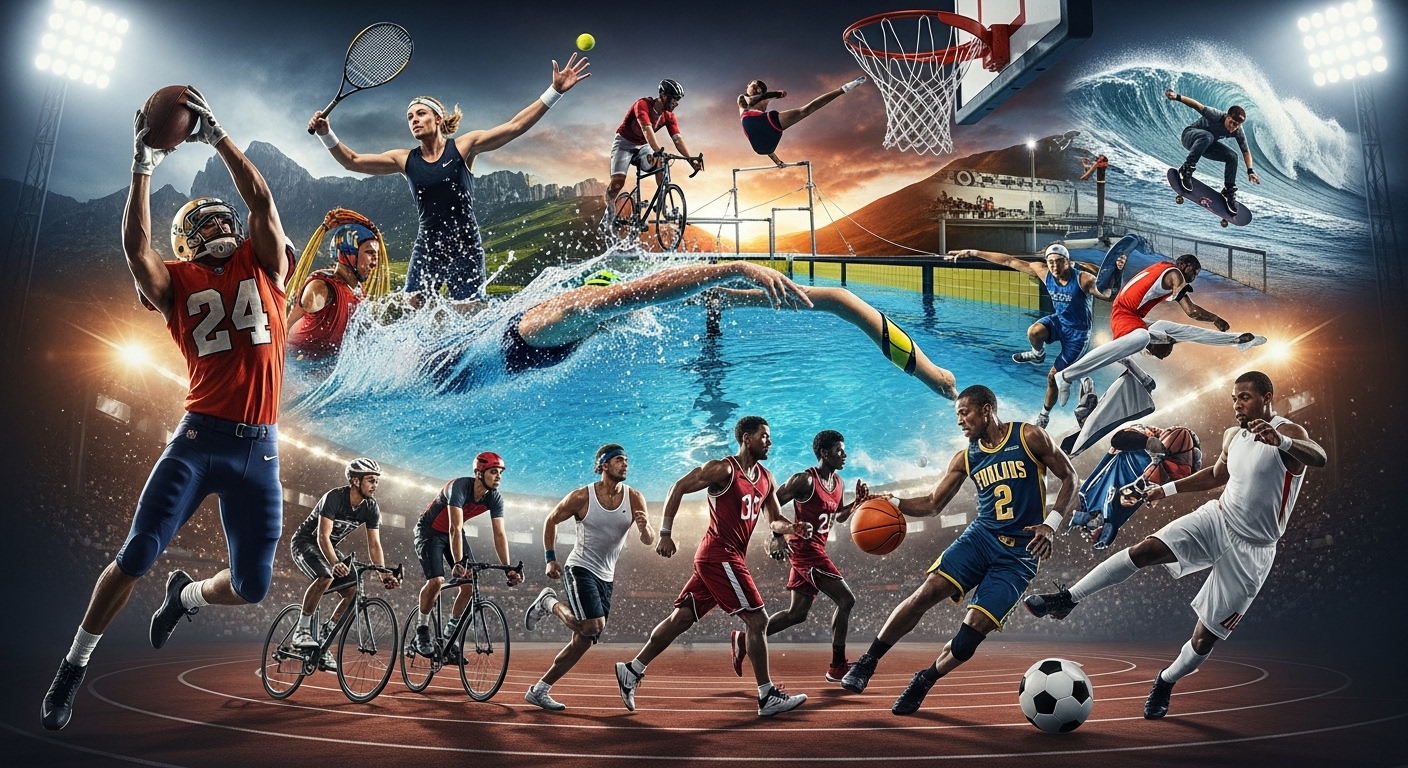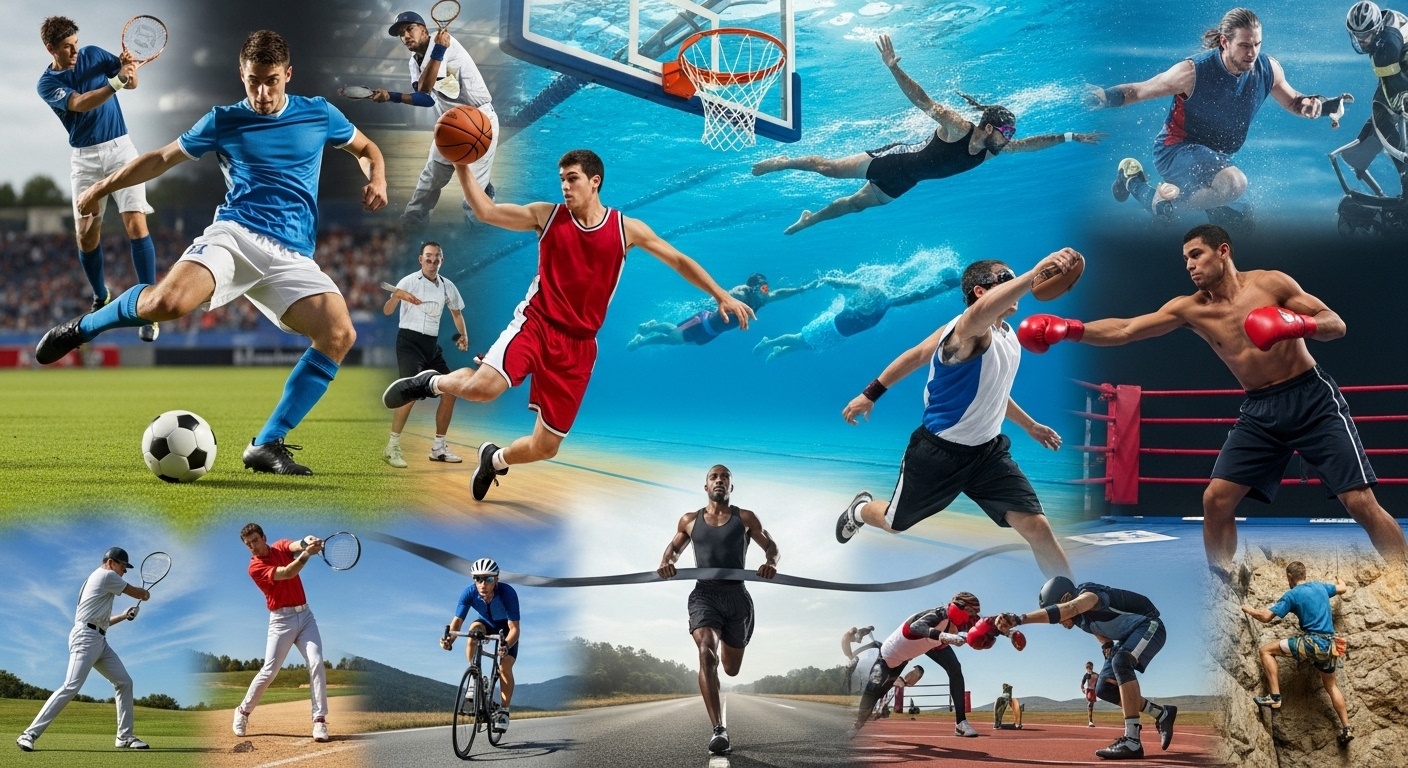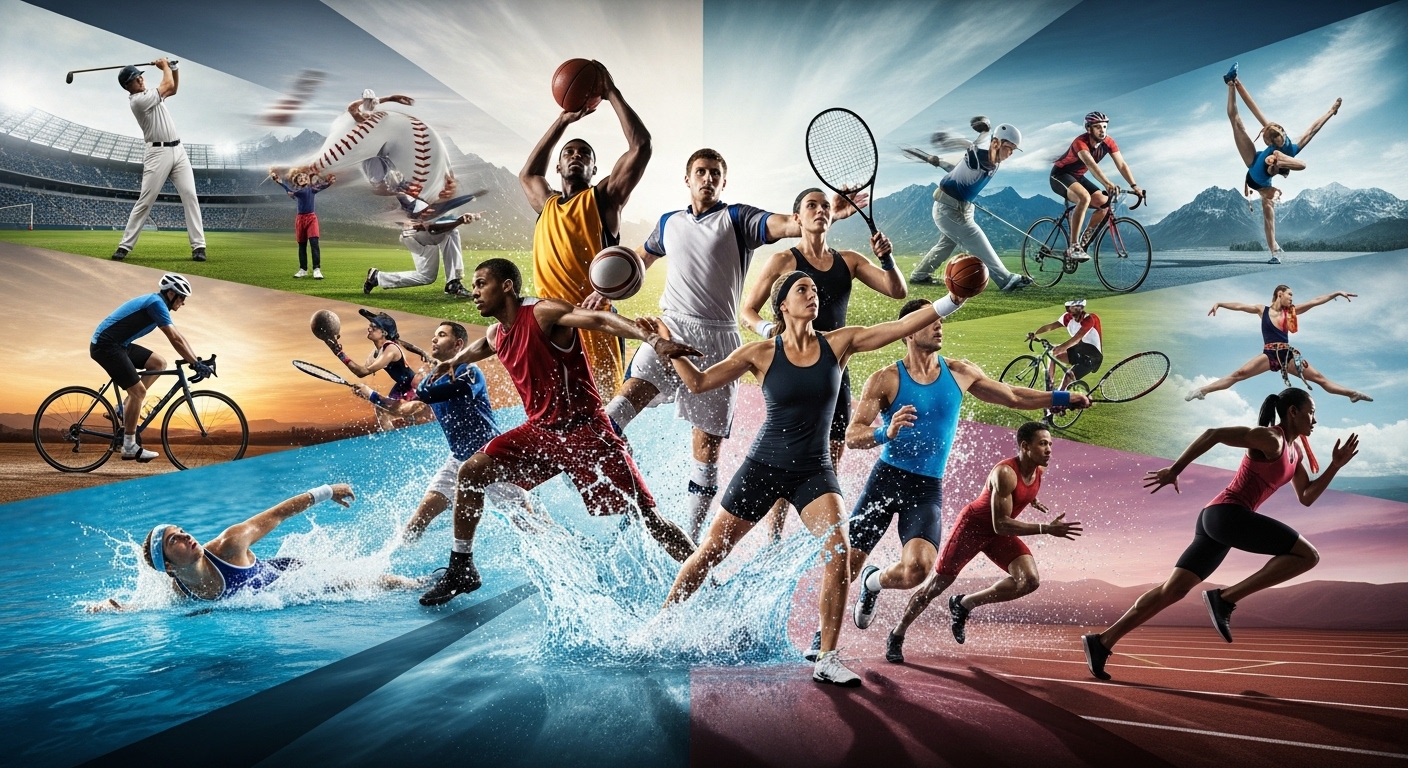
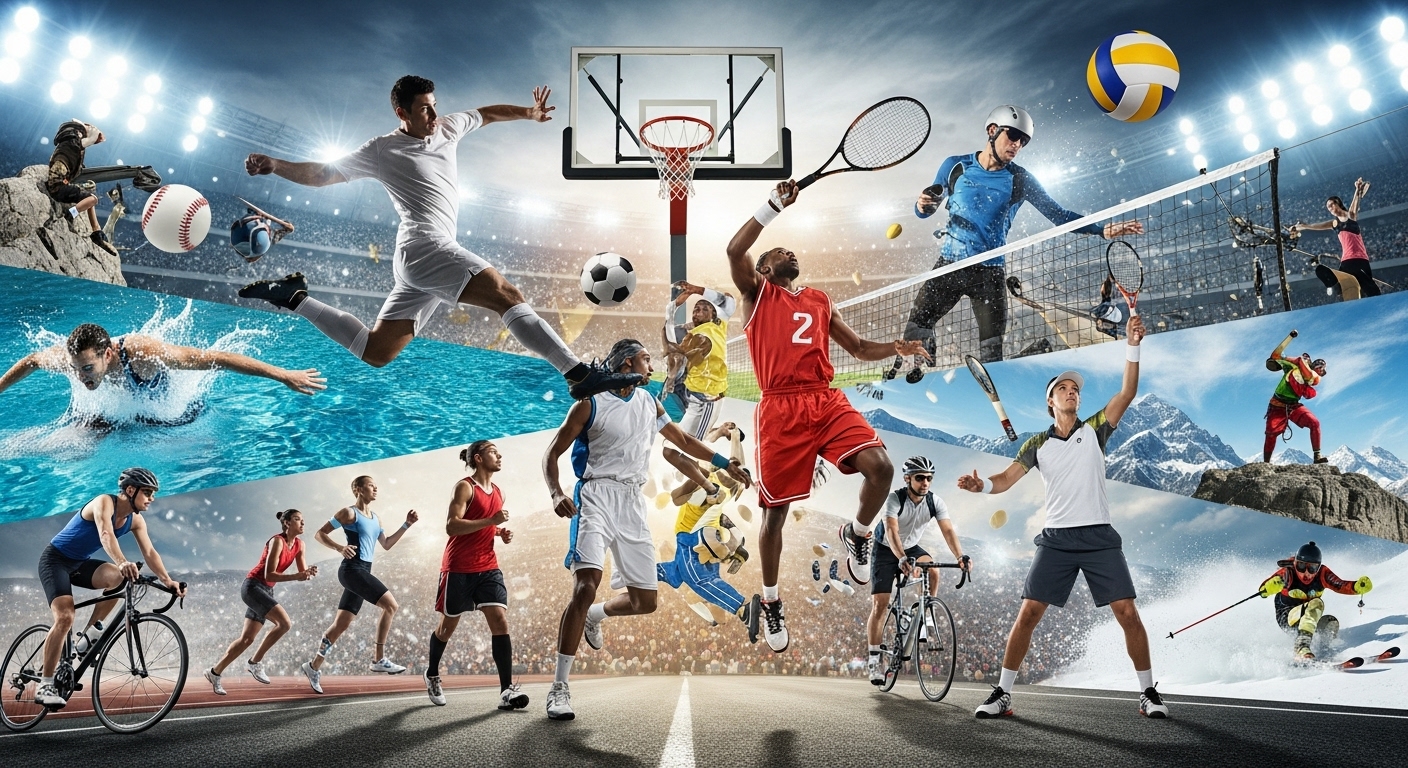
When we think of sports, we often envision athletes competing for trophies, medals, and glory. But the true power of sports goes far beyond the scoreboard. Sports are a universal language, uniting people from different walks of life, inspiring personal growth, and impacting societies on a profound level. Whether it’s a local game of basketball or the grandeur of the World Cup, sports shape our cultures, boost our mental and physical well-being, and create opportunities for connection and change. In this post, we will explore the untold impact of sports and why they are so much more than just a game.
The Human Connection: Building Bonds Through Sports
One of the most beautiful aspects of sports is their ability to unite people. Regardless of language, background, or nationality, people can come together through a shared love of the game. Whether it’s two kids playing soccer in a neighborhood park, fans filling a stadium, or online communities following their favorite eSports teams, sports break down barriers. They offer a platform where people from different cultures can bond over common passions.
Sports foster teamwork and collaboration, even in individual sports. Athletes, coaches, and support teams work together toward a single goal: victory. The camaraderie built on the field translates into long-lasting friendships, and those relationships often extend to fans and communities. This shared experience creates a sense of belonging, something that is increasingly important in today’s fragmented world.
Personal Growth: Sports as a Catalyst for Self-Development
While sports are often about competing and winning, the journey of an athlete offers valuable life lessons in personal development. For many, participating in sports serves as a training ground for character, discipline, and resilience. The hours spent practicing, overcoming obstacles, and striving for excellence instill a sense of work ethic that extends far beyond the playing field.
The mental aspect of sports is equally powerful. Athletes often have to dig deep to stay focused under pressure, whether it’s in the final moments of a match or while recovering from an injury. This builds mental toughness, helping athletes cope with stress, handle disappointment, and push through physical limitations. Sports teach individuals how to handle failure, embrace setbacks, and use them as fuel for improvement.
The sense of achievement that comes from improving personal performance—whether it’s shaving seconds off a race time or mastering a new skill—boosts self-confidence and self-esteem. For many athletes, this sense of pride extends to their community as well, where they become role models and inspire others to chase their own dreams.
Sports and Mental Health: More Than Just Physical Benefits
While the physical benefits of sports are widely recognized, the mental health advantages are just as important. Engaging in physical activity through sports helps reduce stress, anxiety, and depression. The release of endorphins during exercise is known to improve mood, and regular physical activity is a proven way to combat the negative effects of stress and mental fatigue.
Participating in sports also provides a healthy outlet for emotional expression. Whether it’s the adrenaline rush of scoring a goal or the sense of accomplishment after completing a workout, sports allow individuals to channel their emotions in a productive way. Additionally, the structure and routine that sports provide help establish a sense of stability and control, which is vital for those dealing with mental health challenges.
Sports also serve as a powerful tool for building social connections that positively impact mental well-being. The friendships formed through sports provide emotional support and create a sense of community. For many, these bonds are vital for coping with life’s ups and downs.
Sports as a Reflection of Society: Cultural Significance
Sports hold a mirror to society, reflecting cultural values, changing norms, and social progress. In many ways, the rise of certain sports correlates with a society’s evolving identity and priorities. For example, the global popularity of football (soccer) mirrors the increasing interconnectedness of our world, where millions gather to watch and support their teams in international tournaments. The worldwide reach of sports events like the Olympics or the World Cup highlights how sports transcend national borders, creating a global community that celebrates human achievement.
Moreover, sports are often at the forefront of social movements. They provide a platform for athletes to use their visibility to speak out against injustice, promote equality, and challenge societal norms. Icons like Muhammad Ali, Jackie Robinson, and Colin Kaepernick have used their platform not just to compete but to push for change, making sports arenas into stages for activism.
Women’s sports, too, have seen remarkable growth over the years, challenging gender norms and proving that athleticism is not confined to any one gender. The rise of women athletes in the Olympics, in soccer leagues, and in tennis has changed perceptions and inspired a new generation of young women to pursue their passions in sports.
The Global Impact: How Sports Shape Economies and Communities
The influence of sports extends beyond the individual and the community. On a global scale, sports contribute to national economies, drive tourism, and create job opportunities. Major events like the FIFA World Cup, the Super Bowl, and the Olympic Games generate billions of dollars in revenue through ticket sales, sponsorships, merchandise, and media rights. Cities that host large-scale sports events see boosts in infrastructure development, tourism, and employment, benefiting local economies in numerous ways.
In addition, sports have the potential to uplift marginalized communities. Through initiatives like youth sports programs and community leagues, sports provide opportunities for people who may not otherwise have access to resources. These programs promote social inclusion, provide mentorship, and help break down economic barriers. They also serve as a form of social mobility, as talented athletes can rise from humble beginnings to global recognition.
The Future of Sports: Evolution Through Technology and Inclusivity
The future of sports is set to be defined by innovation and inclusivity. Technology is transforming how we experience sports, from virtual reality and augmented reality offering immersive fan experiences to AI-enhanced coaching methods that allow athletes to optimize their performance. Smart devices that track health metrics, injury prevention tools, and digital platforms that offer fans access to live events are reshaping the way we engage with sports, making them more accessible and interactive.
Inclusivity will continue to play a significant role in the future of sports. Adaptive sports programs are gaining traction, ensuring that people with disabilities have the opportunity to compete and showcase their talents. Gender equality in sports is becoming a central focus, with women’s leagues receiving more attention and investment than ever before. The rise of eSports is also challenging traditional notions of what it means to be an athlete, creating new avenues for competition and entertainment in the digital age.
As sports continue to evolve, their role in society will only grow more impactful, bringing people together, breaking down barriers, and creating new opportunities for personal and social growth.
Conclusion: Sports as a Lifelong Journey
Sports are far more than just a form of entertainment. They are a powerful tool for personal growth, mental health, social cohesion, and cultural expression. Whether you are an athlete, a fan, or someone just starting to explore the world of sports, the benefits are far-reaching. Sports teach us lessons in teamwork, resilience, and discipline. They offer a space for emotional release, a sense of belonging, and a platform for change. The impact of sports goes beyond the final whistle—they are a lifelong journey that shapes us as individuals and communities, helping us navigate life’s challenges and celebrate our collective achievements.