Introduction: The Universal Language of Movement
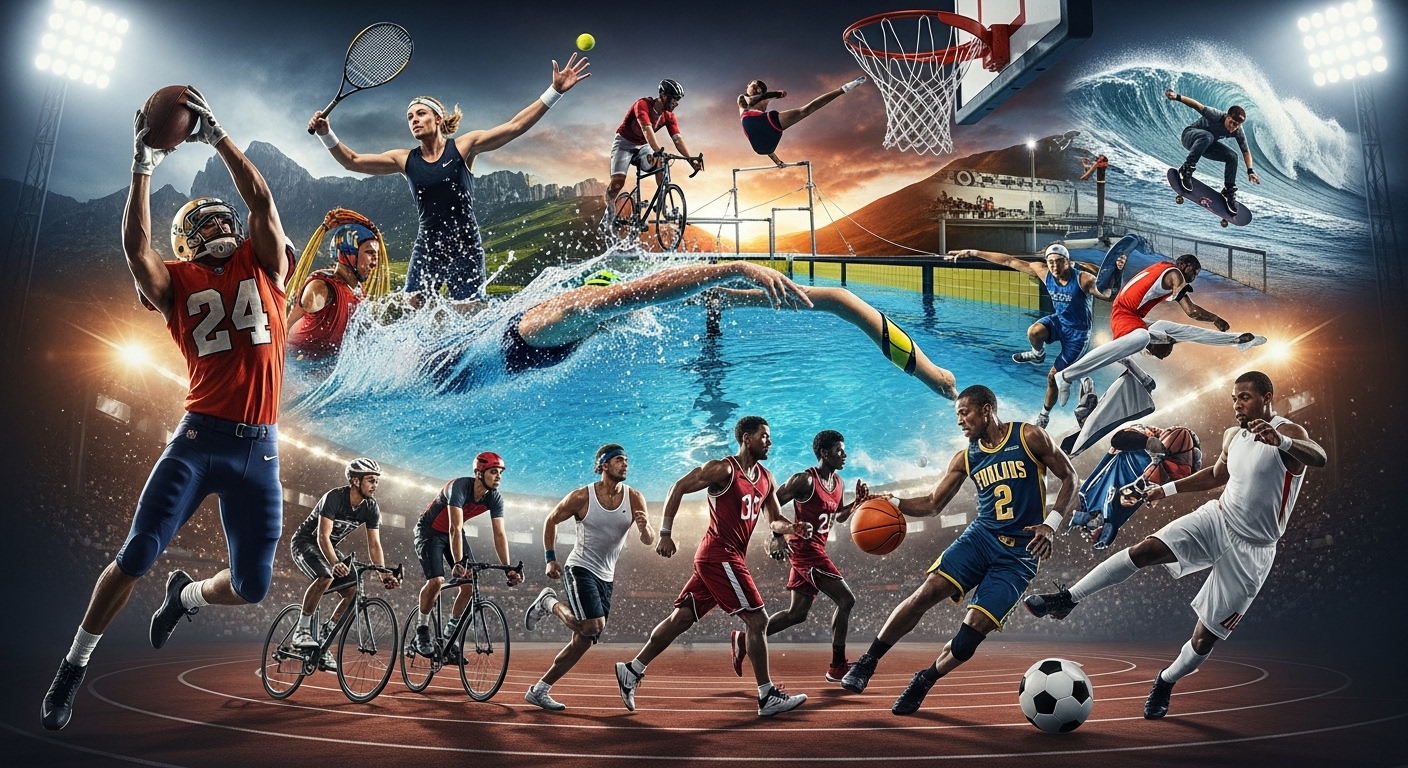
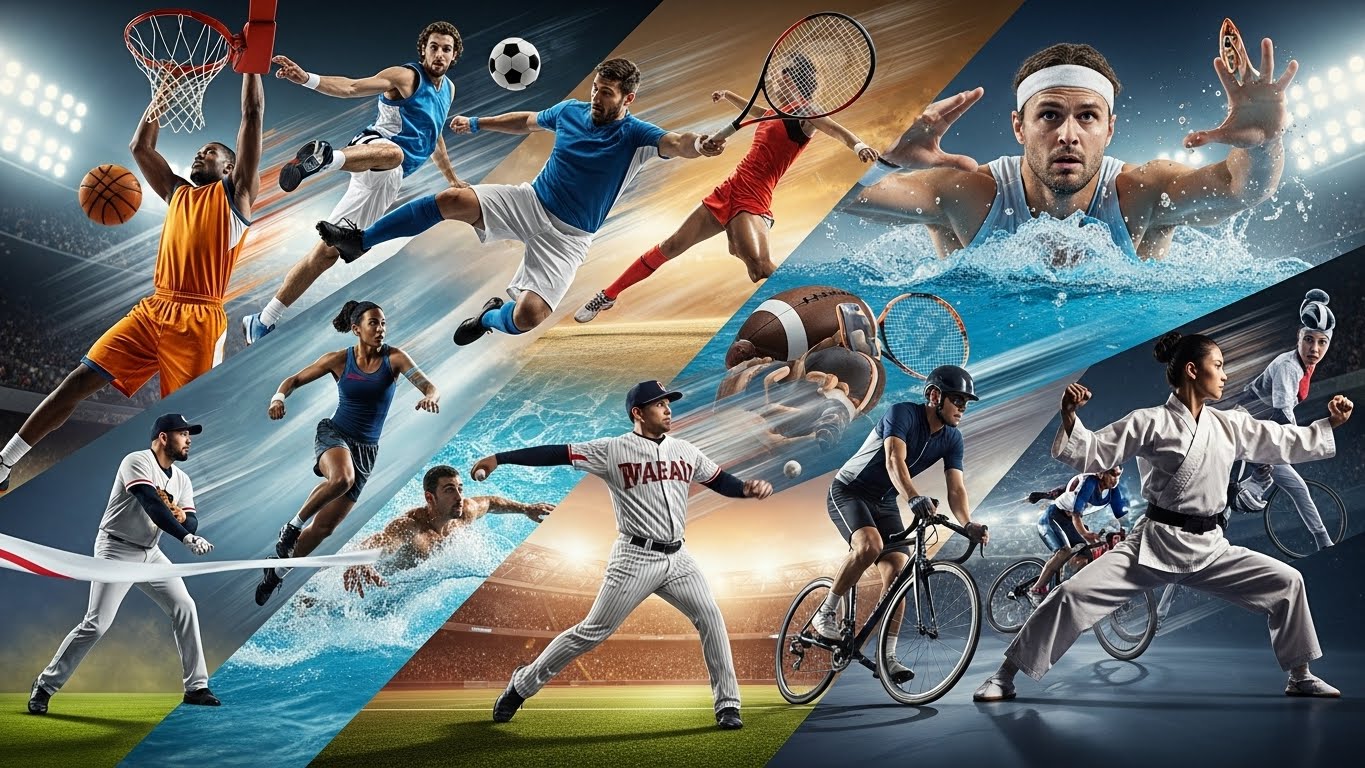
Sports have long been woven into the fabric of human culture. From ancient arenas to modern stadiums buzzing with digital scoreboards, the world of sports represents far more than competition. It is a universal language, one that transcends borders, backgrounds, and beliefs. Every sprint, pass, serve, and swing tells a story of determination. In today’s era, where screens dominate and instant results are the norm, sports serve as a refreshing reminder of patience, discipline, and resilience. This blog explores how sports continue to shape individuals, strengthen communities, and influence the future of society.
The Emotional Pulse of Every Game
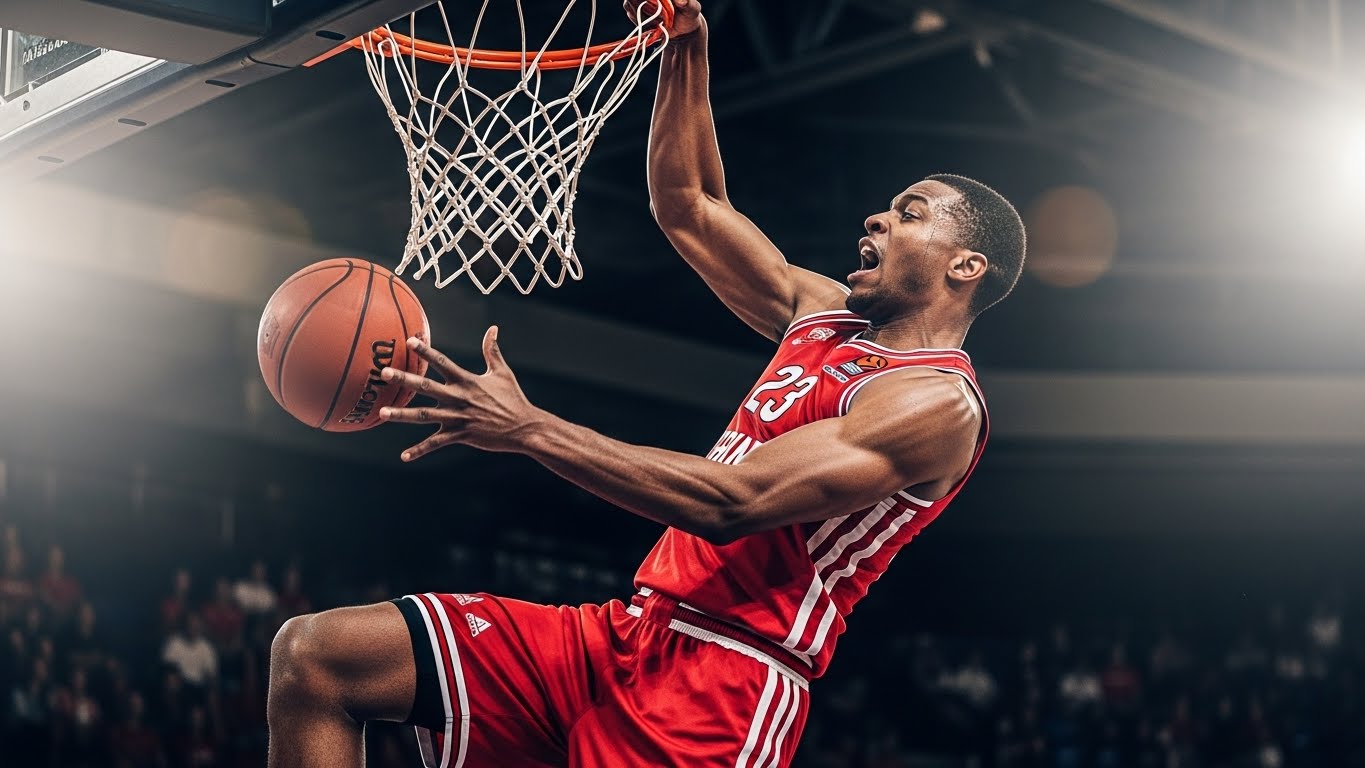
Whether you are sitting in the stands or watching from the comfort of your home, sports evoke emotions unlike any other form of entertainment. Joy, heartbreak, tension, and pride all exist within the same 90 minutes of a match. Players feel this emotional rollercoaster even more intensely. Every victory is the outcome of relentless practice, while every defeat becomes a lesson that fuels their next attempt. This emotional connection is what keeps fans loyal and athletes motivated. The shared thrill between fans and players creates moments that remain etched in memory for years. Sports teach us that emotions are part of growth, and embracing them openly is a sign of strength.
Building Character Through Discipline and Hard Work
Behind every celebrated sports star lies a story built on discipline. Early morning practices, strict diet routines, mental conditioning, and countless hours of repetition are essential for mastering any sport. These principles extend far beyond the field. Young athletes quickly learn that success requires sacrifice and consistency. Hard work becomes a habit rather than an occasional effort. Even for those who never pursue sports professionally, the discipline learned through training shapes academic performance, career growth, and personal development. Sports instill responsibility and resilience, forging individuals who understand that progress comes from dedication, not shortcuts.
Teamwork: The Heartbeat of Every Sport
One of the most impactful lessons sports teach is the power of teamwork. Whether it is basketball, football, volleyball, or cricket, successful teams rely on trust, communication, and collaboration. Even individual sports such as tennis or athletics involve coaches, trainers, and strategists working behind the scenes. Teamwork encourages individuals to value diverse strengths, resolve conflicts, and work toward a shared goal. These abilities become invaluable in daily life, where cooperation often determines success. Through sports, people learn that unity does not require sameness but harmony among different roles and perspectives.
Sports and the Mind: A Natural Therapy
In an age where stress and anxiety are common challenges, sports offer a natural form of therapy. Physical activity triggers the release of endorphins, the body’s feel-good chemicals that elevate mood and reduce stress. The concentration required in sports also acts as a mental break from daily pressures. For athletes, the field becomes a sanctuary where worries fade and focus sharpens. Even for casual players, a simple game of badminton or a morning jog can refresh the mind. Many psychologists recommend sports as a complementary tool for improving mental well-being. This connection highlights how deeply intertwined physical and mental health truly are.
How Sports Unite Communities and Nations
Few events bring people together the way sports do. Entire communities gather to support local teams, and major international competitions can unite entire nations. Sports encourage a sense of belonging and shared identity. Rivalries remain respectful, and diversity becomes a celebrated strength. Local sports events give neighborhoods a chance to interact, strengthen relationships, and promote healthy lifestyles. On a larger scale, global tournaments spark cultural exchange and mutual respect among different nations. Sports show that competition can exist without division and that unity is possible even in diversity.
Technology’s Transformative Impact on Modern Sports
Technology has revolutionized the sports world in extraordinary ways. Advanced analytics help coaches study performance patterns. Wearable devices track fitness and prevent injuries. Video replays assist referees in making fair decisions. Virtual training platforms allow athletes to practice with precision, analyzing their technique frame by frame. Fans also benefit from technological advancements, enjoying immersive viewing experiences and real-time updates. Technology ensures that sports evolve while maintaining their core values of fairness, passion, and excellence. As innovation continues to expand, the future of sports looks more exciting than ever.
The Rising Spotlight on Women in Sports
Women’s sports have seen significant growth and recognition in recent years. Female athletes have shattered stereotypes, broken records, and proven that athletic excellence knows no gender. Their achievements inspire young girls to pursue their passions confidently. Increased media coverage and professional opportunities have helped women’s sports gain momentum worldwide. This progress encourages equality, promotes inclusivity, and expands the sports ecosystem. Female representation also teaches society the importance of providing equal opportunities for everyone to shine.
Youth and Sports: A Foundation for the Future
Children who engage in sports develop essential life skills early. They learn discipline, teamwork, confidence, and leadership through playful activities. Sports also encourage healthier lifestyles, reducing the risks of obesity and chronic illnesses. Schools that integrate sports into daily schedules notice higher levels of student engagement and improved academic performance. Beyond physical benefits, sports teach children how to handle competition, accept failure gracefully, and celebrate achievements with humility. Investing in youth sports programs is an investment in the future strength and character of society.
The Economics of Sports: More Than Just Games
Sports have a massive economic footprint. Events generate revenue through ticket sales, broadcasting rights, sponsorships, and tourism. Athletes endorse brands, while teams create job opportunities in coaching, management, and production. Local economies thrive when sports facilities attract visitors. Even small sporting events can increase community business activity. This economic impact shows that sports represent both cultural and financial value, shaping not only leisure experiences but also economic growth.
The Spirit of Fair Play and Sportsmanship
One of the most admirable qualities sports nurture is sportsmanship. Respect for opponents, adherence to rules, and acceptance of outcomes reflect the true spirit of the game. Athletes often shake hands after intense competitions, reminding us that dignity matters more than victory. Fans, too, learn to support their teams with passion while embracing respect for the game. Sportsmanship promotes humility, gratitude, and integrity. These values influence behavior beyond the field, fostering a more respectful and ethical society.
Challenges Faced in the World of Sports
Despite its positive impact, the world of sports faces challenges such as injuries, pressure, unfair play, and commercialization. Athletes sometimes struggle with expectations from fans, media, and sponsors. Financial disparities exist between major and minor sports. Addressing these issues requires collaboration from governing bodies, coaches, players, and fans. Prioritizing athlete well-being, maintaining transparency, and promoting ethical practices ensure that sports remain a healthy and inspiring environment for all.
The Future of Sports: Innovation and Inclusivity
The future of sports promises greater inclusivity and technological advancement. Adaptive sports for individuals with disabilities are gaining global recognition. Virtual and augmented reality may reshape training and viewing experiences. Wellness programs are becoming an essential part of athlete development. Sustainability initiatives are also emerging, with eco-friendly stadiums and responsible event management. As society evolves, sports will continue to adapt, staying relevant while preserving their timeless appeal.
Conclusion: The Endless Influence of Sports
Sports are far more than games; they are powerful tools that shape character, connect communities, and inspire future generations. They remind us of the beauty of human potential, showing how discipline, teamwork, emotion, and passion can come together to create extraordinary moments. From children learning their first lessons in teamwork to athletes standing on global stages, sports influence lives at every level. Their impact goes beyond the final whistle, leaving lasting impressions that carry into all aspects of life. In a world that often feels divided, sports stand as a beacon of unity, resilience, and hope.