Introduction: The Universal Language of Sports
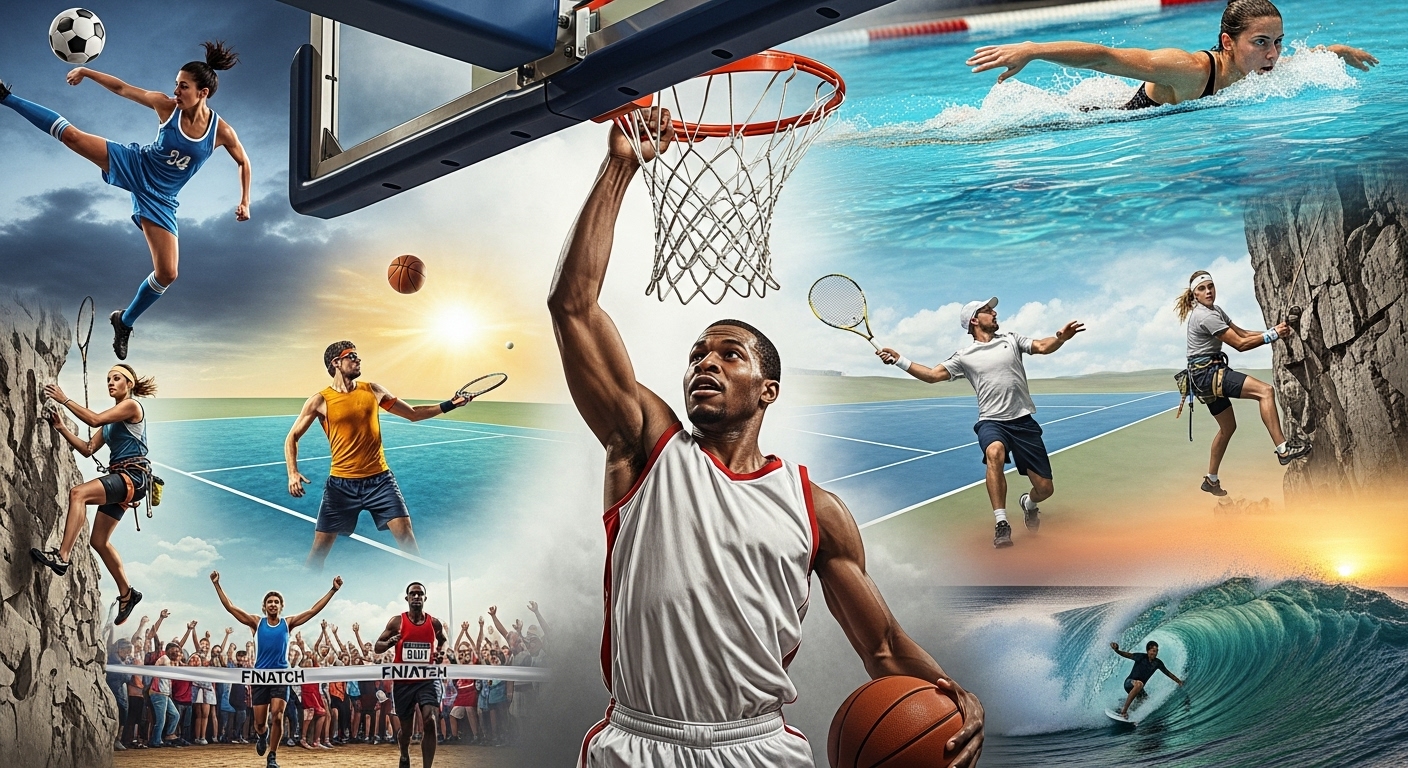
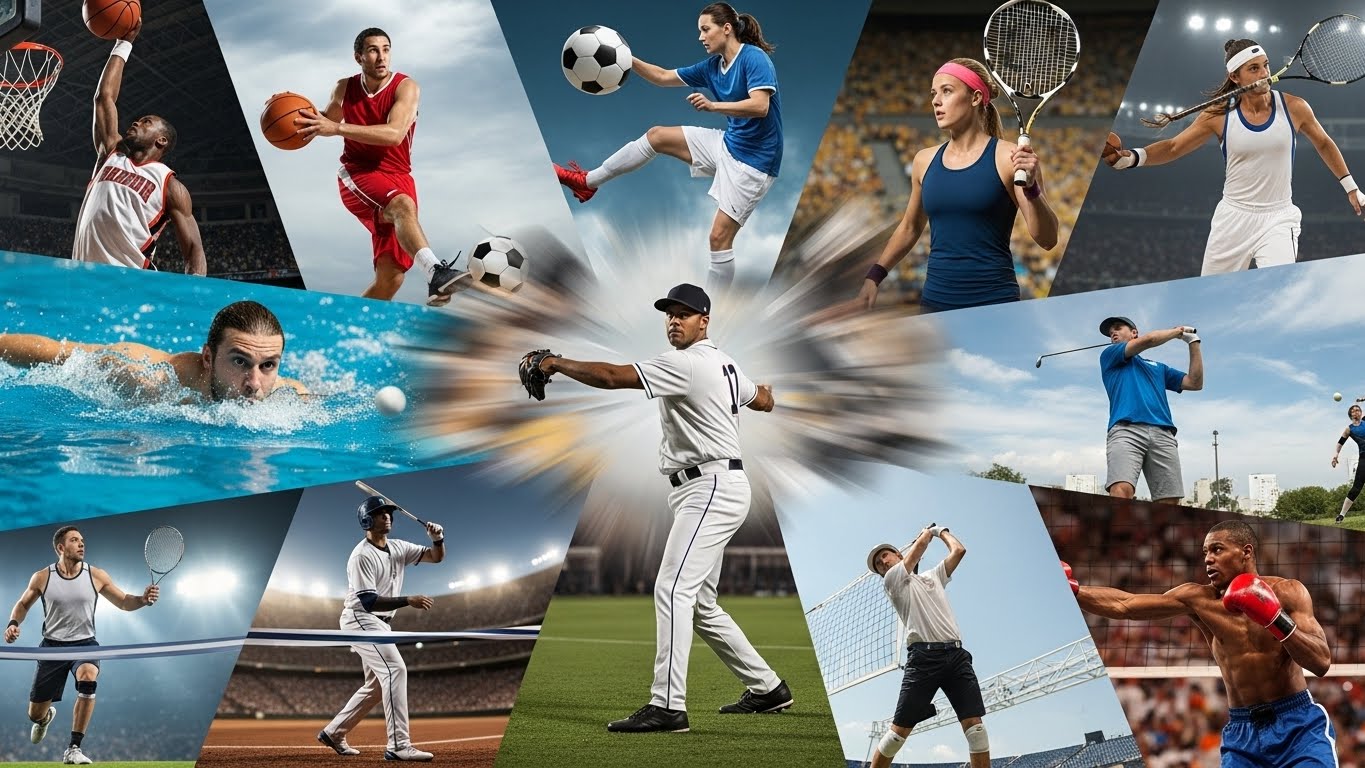
Sports have always been more than just games. Across cultures and continents, they serve as a universal language that unites people beyond boundaries of nationality, religion, or social status. From the roar of stadiums to informal street matches, sports hold a unique power to inspire, teach, and transform lives. Whether it’s the sheer thrill of victory or the lessons learned in defeat, sports carry lessons that extend far beyond the field, court, or track. They provide not only physical activity but also mental resilience, emotional balance, and social connection. In this blog, we explore the multifaceted role of sports in personal development, community building, and societal growth.
The Physical Benefits of Sports
At the most fundamental level, sports contribute significantly to physical health. Regular participation in sports strengthens the heart, improves lung capacity, and enhances muscular strength. Activities like swimming, running, or cycling are excellent for cardiovascular health, while team sports such as football, basketball, and rugby promote agility, coordination, and endurance. Beyond physical fitness, sports help maintain healthy body weight, improve bone density, and reduce the risk of chronic diseases such as diabetes and hypertension. For children and teenagers, sports also play a critical role in motor skill development and establishing healthy lifelong habits. Adults, on the other hand, find sports to be an effective stress reliever that keeps both body and mind active and resilient.
Mental Health and Emotional Resilience
While physical benefits are widely recognized, the psychological impact of sports is equally profound. Participating in sports has been linked to lower levels of anxiety and depression, improved mood, and increased self-esteem. Competitive sports teach individuals how to cope with pressure, handle failures gracefully, and celebrate achievements without arrogance. Team sports, in particular, emphasize collaboration, empathy, and communication skills. Even solitary sports such as yoga, running, or swimming provide meditative benefits, allowing participants to focus their minds, set goals, and achieve a sense of personal fulfillment. In essence, sports act as a natural antidepressant, offering an outlet for stress and promoting mental resilience.
Sports and Life Skills Development
Sports are not just about winning trophies; they are a powerful tool for life skills development. Discipline is one of the most important lessons athletes learn, as consistent training and dedication are essential for success. Time management is another crucial skill, especially for student-athletes balancing academics with rigorous practice schedules. Sports also instill qualities such as perseverance, patience, and strategic thinking. Athletes learn to set realistic goals, plan their actions, and evaluate outcomes. They also develop adaptability, learning to adjust tactics when faced with unexpected challenges. These transferable skills are invaluable in everyday life, from professional environments to personal relationships.
The Role of Sports in Education
Educational institutions increasingly recognize the importance of integrating sports into their curricula. Schools and colleges use sports not only to promote physical health but also to encourage teamwork, leadership, and inclusivity. Students who engage in regular physical activity tend to have better concentration, higher academic performance, and improved classroom behavior. Sports also provide opportunities for scholarships and career paths for talented individuals, especially in countries where professional sports are a viable career. Moreover, schools and universities often serve as hubs for local communities, hosting sporting events that bring people together and foster a sense of unity and pride.
Community Building and Social Impact
Sports have a remarkable ability to strengthen communities. Local sports clubs, leagues, and events provide platforms for social interaction and engagement. They offer safe spaces for youth to spend time productively, reducing exposure to negative influences. Community sports programs promote inclusivity by bringing together individuals from diverse backgrounds, fostering mutual respect and understanding. On a larger scale, international sporting events like the Olympics or World Cup create a sense of global solidarity, showcasing how competition can coexist with camaraderie. Sports also inspire charitable initiatives, as athletes and organizations often engage in social causes, raising awareness and funds for critical issues.
Economic Impact of Sports
Beyond social and personal benefits, sports have significant economic implications. Professional sports leagues generate employment, tourism, and infrastructure development. Stadiums, training facilities, and sporting events contribute to local economies, creating opportunities for entrepreneurs, vendors, and service providers. The sports industry, including apparel, equipment, media, and sponsorships, supports millions of jobs worldwide. Furthermore, hosting major sporting events can stimulate regional development, attract investment, and enhance a city’s international reputation. This economic dimension underscores the integral role sports play in both micro and macroeconomic growth.
Technological Advancements and Modern Sports
Technology has revolutionized how sports are played, viewed, and managed. Innovations like wearable fitness trackers, performance analytics, and virtual training platforms have elevated athletes’ performance levels. Video assistant referees, goal-line technology, and instant replay systems ensure fairness and accuracy in competitions. Social media and streaming platforms have made sports more accessible, connecting fans with live action, behind-the-scenes content, and athlete stories. Technology not only enhances performance but also fosters engagement, making sports more inclusive and interactive for audiences around the globe.
Gender Equality and Inclusivity in Sports
Historically, sports were often male-dominated, but recent decades have witnessed a significant push for gender equality and inclusivity. Women’s sports leagues and events have gained recognition and support, inspiring a new generation of female athletes. Adaptive sports programs for individuals with disabilities highlight the inclusive nature of modern athletics, ensuring that everyone has the opportunity to participate and excel. Promoting gender equality and inclusivity in sports not only empowers marginalized groups but also enriches the overall sporting culture, creating a more diverse, equitable, and vibrant environment for all participants.
The Inspirational Power of Sports Heroes
Athletes often transcend the role of competitors to become role models and sources of inspiration. Their journeys of dedication, resilience, and triumph over adversity resonate with millions. From local heroes to global icons, athletes demonstrate that hard work, determination, and perseverance can overcome challenges. Their stories inspire young people to pursue their dreams, not just in sports but in all aspects of life. The values exemplified by sports heroes—integrity, humility, and courage—serve as guiding principles that extend far beyond athletic arenas.
Conclusion: Sports as a Catalyst for Growth
Sports are far more than games played for entertainment or competition. They are a catalyst for physical health, mental well-being, personal development, and social cohesion. They bridge divides, inspire communities, and empower individuals to realize their full potential. From the playground to the Olympic stadium, sports teach lessons that last a lifetime: teamwork, discipline, resilience, and respect. They remind us that while winning is celebrated, the journey, effort, and growth achieved through sports are the true victories. In a rapidly changing world, sports remain a timeless force that unites, uplifts, and transforms lives across every corner of society.