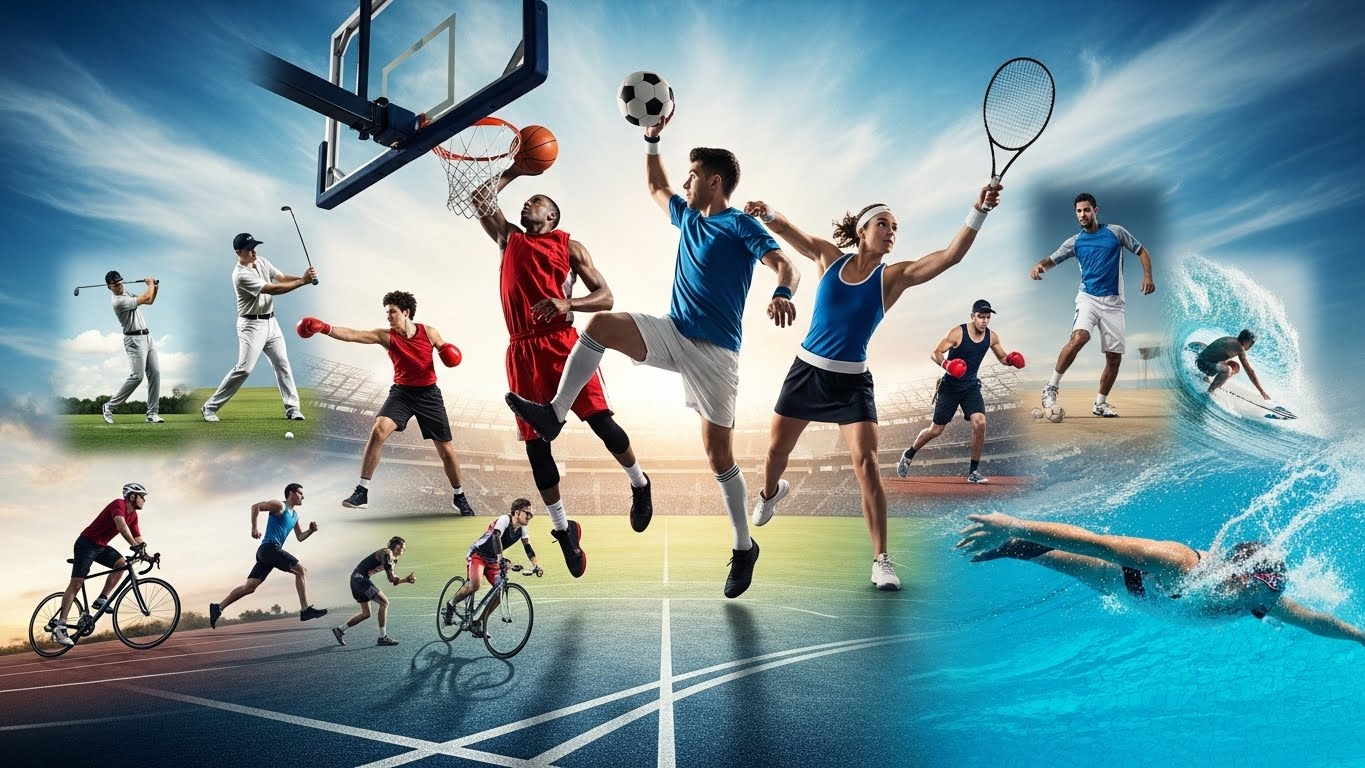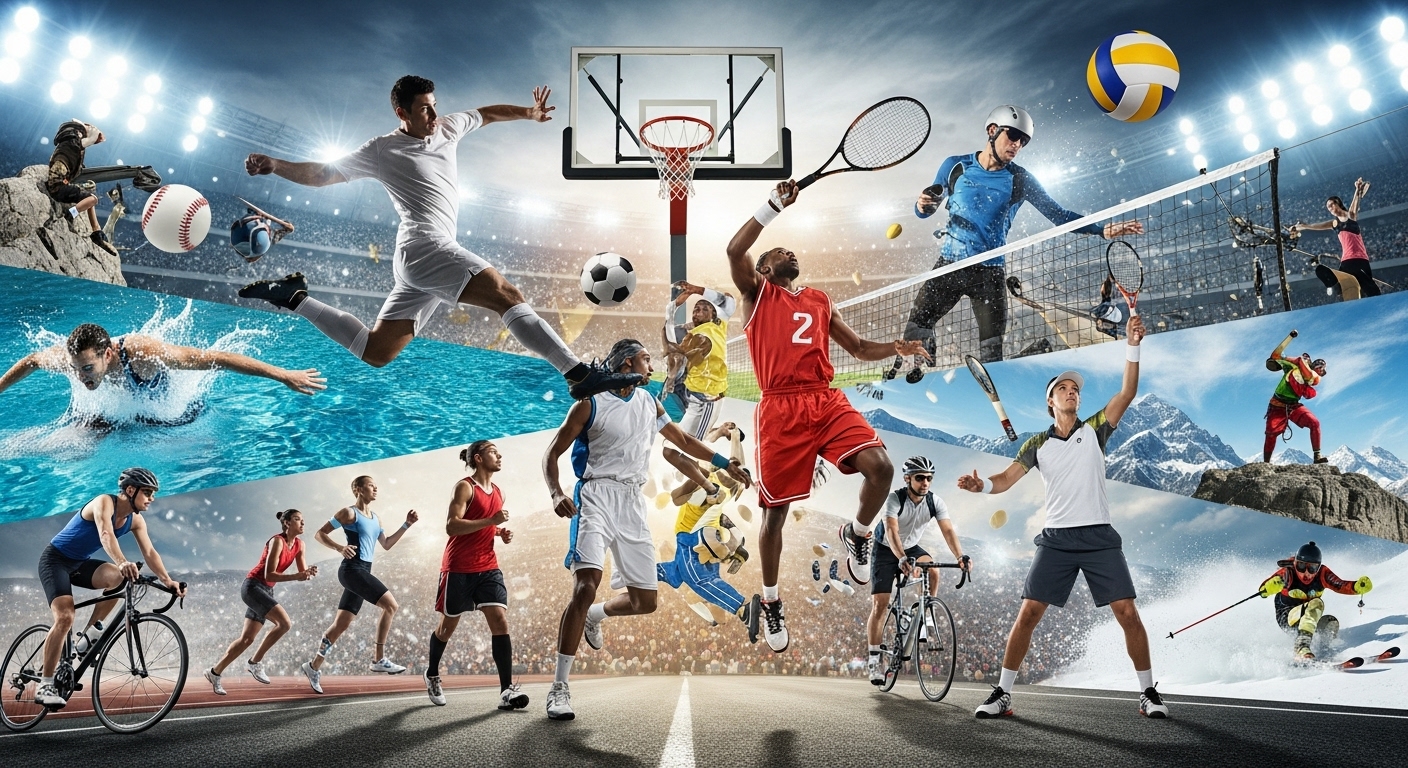
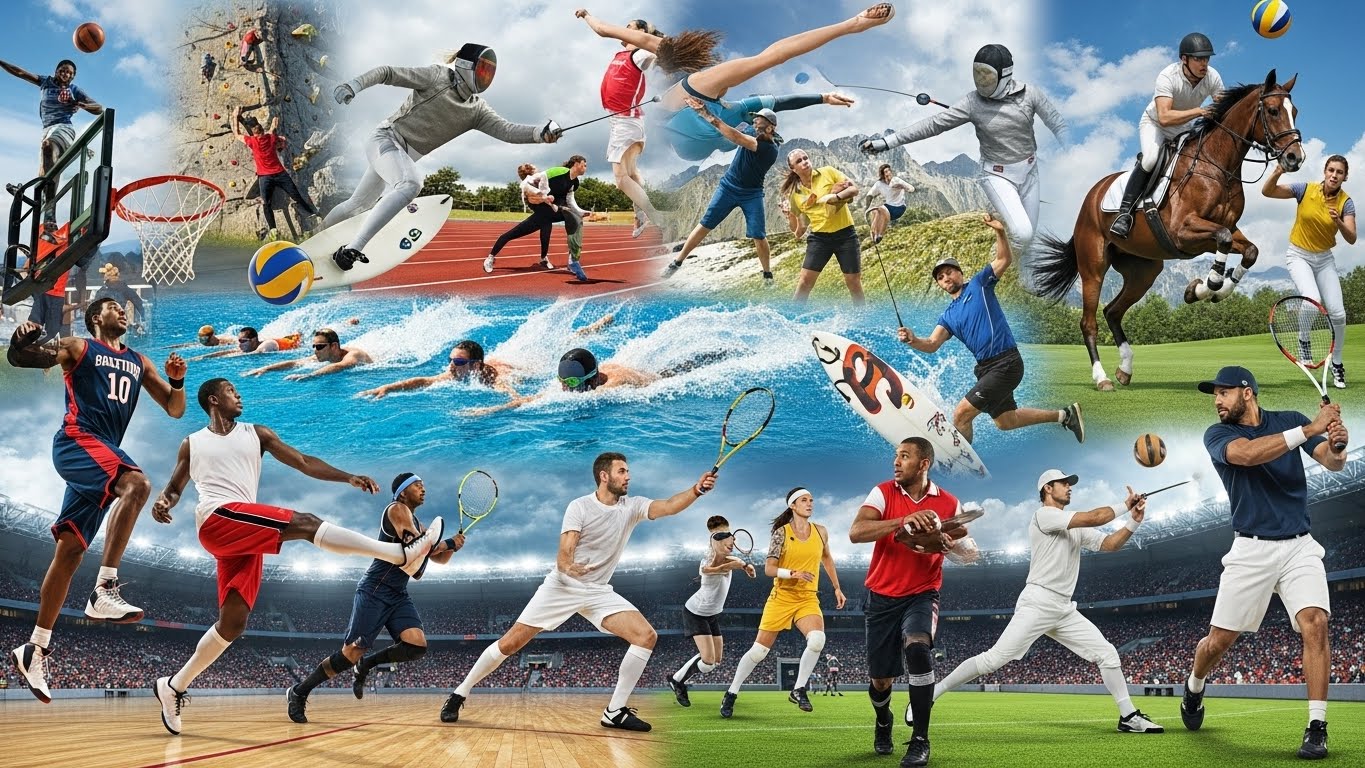
Sports are more than just competitions; they are a reflection of society, a celebration of human potential, and a source of inspiration for millions around the world. From the roar of the crowd in a stadium to the quiet determination of an athlete training alone, sports touch every aspect of human experience. In this blog, we will explore the many dimensions of sports—its impact on individuals, society, culture, and even the economy.
The Essence of Sports: More Than Just Physical Activity
At its core, sports are a physical activity designed to test skill, endurance, and strategy. Whether it’s football, basketball, tennis, or cricket, every sport challenges participants to push their limits. Yet, the value of sports goes far beyond physical exertion. It teaches discipline, teamwork, and resilience, shaping the character of those who engage in it. Athletes learn to face failure, celebrate victory humbly, and maintain dedication even when results are not immediate.
Sports also serve as a metaphor for life. The lessons learned on the field often translate to personal and professional growth. For example, learning to cooperate with teammates fosters collaboration in workplaces, while setting personal goals in sports encourages a mindset of continuous self-improvement.
The Psychological Benefits of Sports
Engaging in sports is not only beneficial for the body but also for the mind. Physical activity triggers the release of endorphins, chemicals in the brain that act as natural mood lifters. This is why people often feel a sense of happiness and satisfaction after participating in a sport, whether casually or competitively.
Moreover, sports help in building mental toughness. Athletes must deal with stress, pressure, and high expectations, all of which enhance cognitive abilities and emotional resilience. Regular engagement in sports has also been linked to improved concentration, better problem-solving skills, and a higher level of self-confidence. For children and teenagers, sports play a crucial role in developing social skills and emotional intelligence, which are essential for navigating life beyond the playing field.
The Cultural Impact of Sports
Sports are deeply intertwined with culture and identity. They bring people together, creating a shared sense of community and belonging. Major events like the Olympics or the FIFA World Cup are celebrated worldwide, transcending language, nationality, and religion. Fans from different backgrounds unite in support of their favorite teams, demonstrating the unifying power of sports.
In many countries, sports also reflect societal values and traditions. For instance, sumo wrestling in Japan is more than a sport; it is a cultural ritual rooted in centuries-old traditions. Similarly, cricket in India or soccer in Brazil carries historical significance, becoming an integral part of national pride and identity. Sports thus serve as a mirror of society, reflecting its values, struggles, and aspirations.
The Role of Technology in Modern Sports
The world of sports has evolved dramatically with the advancement of technology. From training methods to fan engagement, technology has transformed the way sports are played, analyzed, and consumed. Wearable devices track athletes’ performance, providing data on heart rate, speed, and fatigue, allowing coaches to fine-tune training programs for optimal results.
Virtual reality and artificial intelligence are now being used to enhance both player development and fan experience. For instance, VR can simulate real-game scenarios for practice, while AI can analyze opponent strategies to prepare better game plans. Even fans benefit from technological innovations, enjoying live-streaming options, instant replays, and immersive viewing experiences that make following sports more engaging than ever.
Economic Significance of Sports
Sports are not only a source of entertainment but also a significant economic driver. Professional leagues, tournaments, and sporting events generate billions of dollars in revenue annually. From ticket sales and merchandise to broadcasting rights and sponsorship deals, the financial impact of sports is immense.
Local economies also benefit from sports. Stadiums and sports complexes create jobs, while major events boost tourism and hospitality industries. Additionally, sports promote the growth of related businesses, such as fitness equipment, apparel, and nutrition products. Even grassroots sports initiatives can have a substantial economic effect by creating opportunities for youth engagement and community development.
The Influence of Sports on Health and Lifestyle
Participation in sports is a cornerstone of a healthy lifestyle. Regular physical activity improves cardiovascular health, strengthens muscles, and enhances flexibility. Sports also promote a balanced lifestyle by encouraging proper nutrition, adequate rest, and stress management.
Beyond physical benefits, sports cultivate a sense of discipline and routine. Athletes learn the importance of goal setting, time management, and perseverance. These habits often extend into everyday life, influencing diet, work ethic, and overall wellness. Communities that emphasize sports tend to have higher rates of health awareness and lower instances of lifestyle-related diseases, highlighting the preventive role of sports in public health.
Women in Sports: Breaking Barriers
The evolution of women’s participation in sports is one of the most inspiring aspects of modern athletics. Historically, women faced numerous barriers, from societal expectations to limited access to training and competitions. Today, female athletes are breaking records, challenging stereotypes, and inspiring generations to come.
Prominent women’s leagues, international tournaments, and the rise of female sports icons have amplified visibility and recognition for women athletes. This shift not only encourages gender equality in sports but also inspires young girls worldwide to pursue athletic dreams with confidence and ambition.
The Future of Sports
The future of sports is likely to be shaped by innovation, inclusivity, and sustainability. Emerging trends like e-sports and adaptive sports are expanding the definition of what it means to be an athlete. E-sports, for example, combines competitive gaming with professional skill, drawing massive audiences and creating new career opportunities. Adaptive sports provide platforms for individuals with disabilities to compete and thrive, fostering inclusivity and diversity.
Sustainability is also becoming a priority in sports management. Eco-friendly stadiums, waste reduction initiatives, and responsible event planning are redefining how sports impact the environment. The next generation of athletes and fans is expected to embrace these values, ensuring that sports continue to thrive while being mindful of their ecological footprint.
Lessons from Legendary Athletes
History is filled with stories of athletes who have transcended their sports to become global inspirations. Figures like Serena Williams, Muhammad Ali, Lionel Messi, and Usain Bolt exemplify qualities that go beyond physical prowess. Their dedication, resilience, and commitment to excellence serve as lessons not just for aspiring athletes but for anyone striving to achieve greatness in any field.
These legends teach us that success is often the result of relentless practice, strategic thinking, and the ability to rise above challenges. They remind us that sports are a platform for personal growth, societal change, and the celebration of human potential.
Sports as a Tool for Social Change
Sports have historically been a catalyst for social change. From breaking racial barriers to promoting peace and unity, sports have a unique ability to influence society. Initiatives like community sports programs, international peace games, and campaigns against discrimination leverage the universal appeal of sports to foster inclusion and understanding.
Athletes themselves often become ambassadors for social causes, using their platforms to raise awareness about critical issues. Whether it’s advocating for equality, environmental sustainability, or mental health, sports figures have the ability to inspire action and create meaningful impact beyond the playing field.
Conclusion: The Timeless Power of Sports
Sports are a universal language, a blend of competition, culture, and human spirit. They challenge us physically, enrich us emotionally, and unite us socially. From the grassroots level to the global stage, sports continue to shape lives, communities, and societies in profound ways.
In a world that often feels divided, sports remind us of our shared humanity. They teach lessons that extend far beyond the game—lessons of perseverance, teamwork, discipline, and resilience. As technology, culture, and society evolve, sports will continue to inspire, entertain, and empower generations, proving that the essence of sports is timeless and boundless.