Introduction
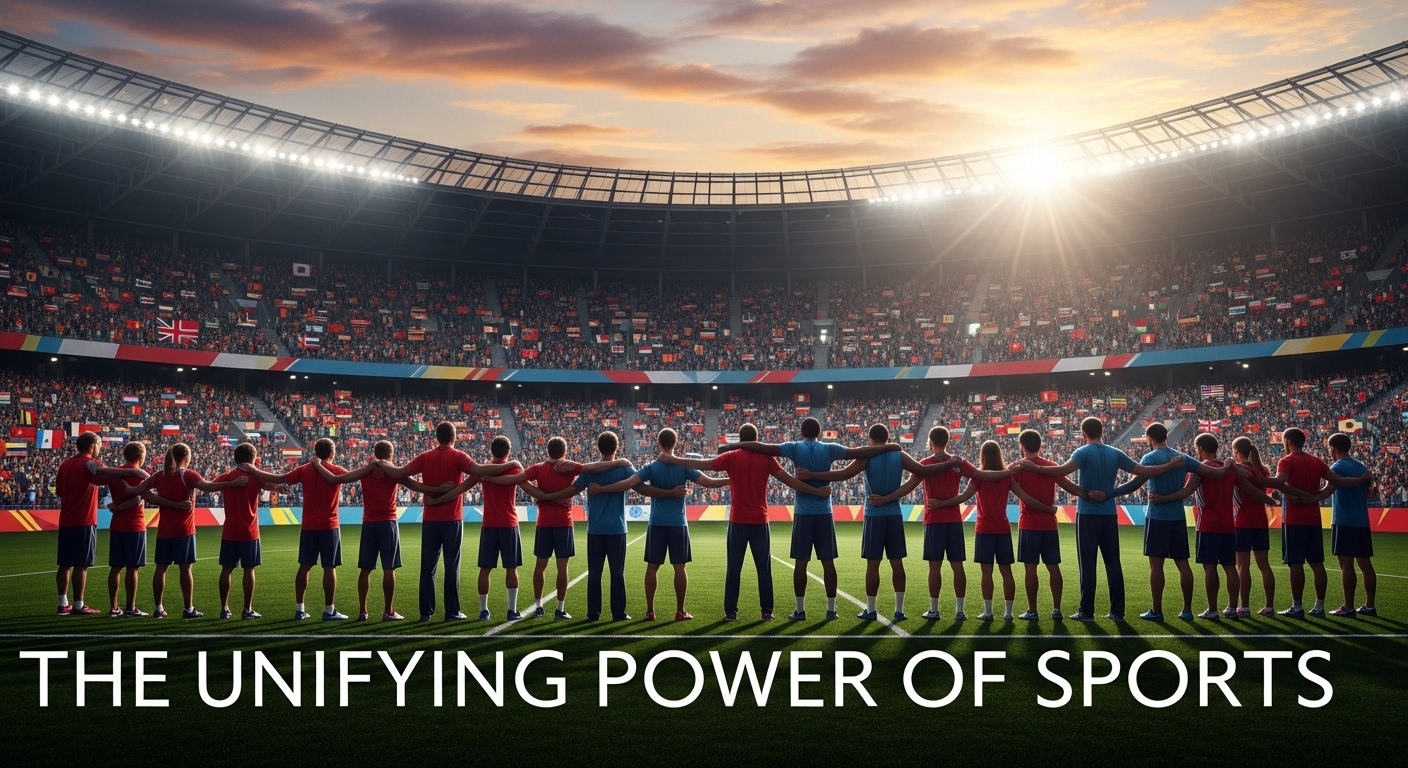
Sports have long been an essential part of human culture, transcending boundaries of geography, language, and ethnicity to create shared experiences that unite us all. From ancient civilizations that celebrated athletic feats as demonstrations of strength and honor, to modern professional leagues and international tournaments that captivate millions, sports have always held a special place in our lives. Whether through playing, watching, or simply being part of a community, sports have a profound impact on personal well-being, societal development, and global unity.
But sports are more than just a form of entertainment or physical exertion. They influence everything from education and health to economic growth and social change. In this blog post, we will explore the far-reaching impact of sports on individuals, communities, and societies as a whole. We’ll examine how sports shape our identities, promote social cohesion, contribute to mental and physical health, and foster global connections.
Sports and Personal Growth: More Than Physical Fitness
When we think about sports, the first thing that often comes to mind is physical exercise. Indeed, engaging in sports is one of the most effective ways to maintain a healthy lifestyle. From improving cardiovascular health and building strength to increasing flexibility and coordination, physical fitness is one of the most obvious benefits of participating in sports. However, the impact of sports goes far beyond the physical body.
Sports offer opportunities for personal growth in many areas. For example, athletes develop valuable life skills such as discipline, resilience, and time management. Training for a sport requires a commitment to consistent effort and practice, which teaches individuals the importance of setting and working toward long-term goals. The process of learning a new skill, perfecting techniques, and pushing the limits of one’s capabilities fosters perseverance and determination—qualities that can be transferred to other areas of life, including education and career.
Additionally, the experience of competing and performing under pressure in a sports environment helps build mental fortitude. Athletes learn how to handle stress, cope with failure, and bounce back from setbacks. Overcoming these challenges not only boosts self-confidence but also strengthens one’s ability to navigate challenges in personal and professional life. These qualities are essential for mental health and emotional well-being, particularly in today’s fast-paced and demanding world.
Building Stronger Communities Through Sports
Beyond individual benefits, sports have a powerful ability to bring people together and build strong, cohesive communities. In many ways, sports create a sense of belonging that is essential for fostering unity and collaboration. Local sports clubs, schools, and community teams provide spaces where people from diverse backgrounds can come together and form meaningful connections. These social bonds often extend beyond the field or court, as teams and fans share victories, losses, and celebrations.
In small towns, local sporting events serve as major community gatherings that foster pride and identity. Whether it’s a youth soccer match, a high school basketball game, or a regional tennis tournament, these events provide a space for residents to support one another and build camaraderie. In these settings, sports act as a unifying force that connects people of all ages, backgrounds, and interests, promoting social cohesion and mutual respect.
At the professional level, sports continue to bring communities together on a global scale. Major sporting events like the FIFA World Cup, the Summer Olympics, and the Super Bowl draw millions of viewers and create shared moments of joy, excitement, and pride. The feeling of supporting a favorite team or athlete is universal, and for a brief moment, even the most divided communities can unite in a collective celebration of athletic achievement. The sense of connection fostered by these events can help bridge cultural, national, and political divides, emphasizing our shared humanity over our differences.
Sports as a Platform for Social Change
Throughout history, athletes have used their platform to advocate for social justice and to bring attention to important issues. Sports have always mirrored the values and struggles of society, and athletes often become symbols of resilience, courage, and defiance in the face of adversity. The influence of sports figures can be seen in movements for racial equality, gender rights, and political activism.
One of the most notable examples is the civil rights movement in the United States, where athletes like Jackie Robinson and Muhammad Ali used their status to challenge racial injustice. Robinson’s breaking of the color barrier in Major League Baseball in 1947 was not just a historic moment for the sport, but a pivotal moment in the fight for racial equality. Similarly, Muhammad Ali’s refusal to be drafted into the Vietnam War was a courageous stand against racial discrimination, and his willingness to speak out on social issues helped elevate him as a global icon of resistance.
In more recent times, athletes such as Colin Kaepernick have continued to use their platforms to protest police brutality and systemic racism. Kaepernick’s decision to kneel during the national anthem sparked a nationwide conversation about racial inequality and the role of athletes in social activism. His protest, though controversial, underscored the power of sports as a vehicle for social change.
Sports also play an important role in advocating for gender equality. Female athletes, from Billie Jean King to Serena Williams, have fought for equal pay, greater recognition, and opportunities for women in sports. Their achievements have helped to break down gender stereotypes and have inspired future generations of young girls to pursue their athletic dreams, knowing they can compete at the highest level.
The Economic Impact of Sports
Sports are not only a source of personal fulfillment and social unity, but they also represent a significant economic driver. The sports industry generates billions of dollars globally, creating jobs, generating revenue, and contributing to economic growth in many sectors. From professional sports teams to grassroots leagues, the sports sector provides employment opportunities for athletes, coaches, trainers, managers, media personnel, event organizers, and countless others involved in the industry.
In addition to creating direct economic opportunities, sports also contribute indirectly to local economies. The tourism and hospitality industries benefit from major sporting events, as fans travel from around the world to attend games and competitions. Cities that host international sporting events often experience a surge in tourism, with visitors spending money on hotels, restaurants, transportation, and other services. For example, cities that host the Olympics or the FIFA World Cup often experience significant infrastructure development, which can lead to long-term economic benefits.
Moreover, sports can help promote local businesses and industries. Local sponsors, advertisers, and merchandise sellers can benefit from the popularity of sports teams and events, generating revenue and promoting products. In many communities, sports also help reduce healthcare costs by encouraging physical activity and reducing the prevalence of lifestyle-related diseases.
The Globalization of Sports
In today’s interconnected world, sports have become a global phenomenon, with athletes, teams, and fans spanning every continent. The rise of digital media and live streaming has made it easier for people to follow sports from anywhere in the world. Major leagues such as the NFL, NBA, and Premier League have fans all over the globe, and international competitions like the World Cup and the Olympics bring together athletes from diverse nations to compete on the world stage.
This globalization of sports has transformed how the world engages with athletic competition. While local teams and leagues remain essential to community identity, the global appeal of sports offers fans from different parts of the world the chance to support their favorite athletes and teams, regardless of geographical distance. Digital platforms, including social media, have further enhanced this global connection, allowing fans to interact with athletes, share opinions, and access real-time updates on their favorite teams.
The globalization of sports also allows for cultural exchange. Athletes from different countries often play in foreign leagues, bringing diverse playing styles and strategies into new environments. This fusion of global talent enhances the quality of competition and deepens the cultural exchange between nations. As sports continue to evolve, the ability to share and celebrate athletic achievements will play an important role in fostering global unity.
The Future of Sports: Innovation and Technology
As technology continues to advance, the world of sports is evolving in exciting new ways. From smart wearables that track athletic performance to virtual reality (VR) and augmented reality (AR) enhancing fan experiences, technology is transforming how we train, compete, and enjoy sports. Innovations in sports science are allowing athletes to reach new levels of performance, with advancements in nutrition, biomechanics, and injury prevention helping to extend careers and improve overall health.
One of the most exciting developments in sports technology is the rise of esports, which has emerged as a global industry in its own right. Esports, or competitive video gaming, has created a new form of athletic competition, drawing millions of fans and professional players from around the world. With massive sponsorships, prize pools, and global tournaments, esports has become a legitimate career path for young gamers, and its future potential seems limitless.
The growing use of data analytics and artificial intelligence (AI) in sports is also changing how teams strategize and evaluate performance. Coaches and analysts are increasingly relying on data to make decisions, from selecting players to developing game strategies. AI-powered tools are providing insights that were once unimaginable, allowing teams to gain a competitive edge.
Conclusion
Sports are not just games—they are a powerful force that shapes our physical, mental, and social well-being. From personal growth and community building to social activism and economic development, the influence of sports reaches far beyond the playing field. As we continue to embrace the benefits of sports in the digital age, it’s clear that their role in shaping individuals and societies will only continue to grow.
The unifying power of sports has the ability to inspire, connect, and empower. They remind us of our shared humanity and our collective potential to achieve greatness. Whether we are playing, watching, or cheering from the sidelines, sports have the ability to bring people together and inspire change. As we look toward the future, sports will remain a central part of our culture, reminding us of the power of competition, camaraderie, and the enduring human spirit.