
Introduction: The Intersection of Tradition and Modernization
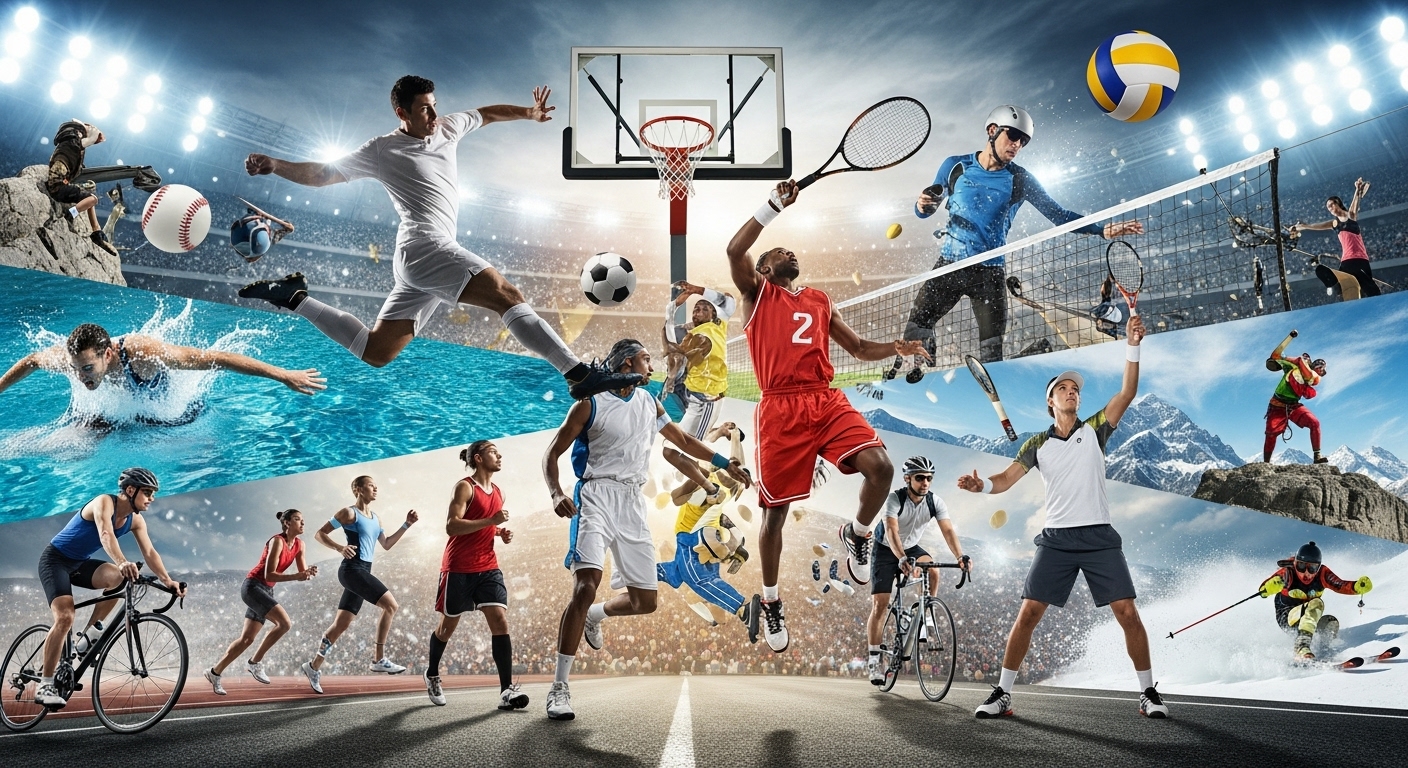
Sports have always been a reflection of culture, competition, and community. From the earliest Olympic Games to modern professional leagues, sports have brought people together, shaped societies, and become a universal language of human expression. But in today’s world, the landscape of sports is rapidly changing. New technologies, evolving societal norms, and a globalized audience are pushing sports into uncharted territories. This blog explores how traditional sports are evolving, and what the future of competition, fandom, and athleticism might look like as innovation and tradition collide.
The Rise of Esports: A New Era in Competition
One of the most significant shifts in the sports world in recent years has been the rise of esports. Competitive video gaming has rapidly transformed from a niche pastime to a mainstream cultural phenomenon. Major tournaments for games like League of Legends, Dota 2, and Fortnite now draw massive crowds and offer prize pools in the millions of dollars. With the rise of streaming platforms like Twitch and YouTube Gaming, esports has also become a key part of global entertainment. Esports is not just about playing games; it has created a new type of professional athlete, fan culture, and marketing platform. It’s a dynamic, fast-paced arena that speaks to the younger generation’s digital-first worldview, while simultaneously challenging the boundaries of what we traditionally define as “sports.”
Technology’s Impact on Traditional Sports
While esports is a new player in the world of competition, technology has been reshaping traditional sports for years. Advances in technology are enhancing how games are played, how athletes train, and how fans experience sports. From instant replay systems and video-assisted refereeing (VAR) to advanced player tracking technologies and smart equipment, sports are becoming more accurate, efficient, and engaging. Technologies like virtual reality (VR) and augmented reality (AR) are also making their way into fan experiences, allowing supporters to engage with their favorite teams in more immersive ways. Moreover, wearable devices like fitness trackers and smart uniforms are enabling athletes to monitor their health and performance in real-time, pushing the limits of what’s possible in training and recovery. As technology continues to evolve, it will undoubtedly further shape the way sports are played and consumed.
The Globalization of Sports: Bringing the World Together
Sports have always had a global following, but the way fans connect with teams and athletes has changed dramatically in the digital age. Social media, live-streaming platforms, and international broadcasting have broken down geographical barriers, allowing fans across the world to tune into games, follow their teams, and interact with athletes. The Olympics, World Cup, and other global sporting events have become a stage for cultures to meet and share in the excitement of competition. At the same time, many professional sports leagues, such as the NBA and NFL, have expanded their reach to international markets, organizing games abroad and cultivating fanbases in places where the sport was once relatively unknown. As a result, sports are now more global than ever, creating a sense of shared community across borders and uniting people through the universal language of competition.
Inclusion and Diversity: Sports as a Platform for Change
One of the most powerful aspects of sports is its ability to challenge societal norms and address issues of inequality. In recent years, athletes have used their platform to advocate for social justice, push for gender equality, and speak out on issues of racial discrimination. The rise of women’s sports has been particularly notable, with female athletes gaining recognition and respect in traditionally male-dominated arenas. Leagues like the Women’s National Basketball Association (WNBA) and women’s soccer have grown in visibility and importance, paving the way for more opportunities for female athletes. Additionally, movements such as Black Lives Matter have seen athletes take an active role in fighting systemic racism both within and outside of sports. Sports are not just a form of entertainment—they are a powerful tool for social change, where the playing field can become a stage for important conversations about equality, representation, and justice.
The Future of Fan Engagement: From Digital to Immersive
Fan engagement has come a long way from the traditional methods of watching games on TV or attending live events. The future of sports fandom is digital, immersive, and highly interactive. Social media platforms provide fans with a real-time connection to their favorite teams, players, and even other fans. In the near future, fans might be able to experience live games from a variety of perspectives—through VR headsets that place them in the middle of the action or AR apps that overlay real-time stats and visuals on their phones during matches. Virtual fan experiences, where individuals can virtually attend games or interact with holographic athletes, are no longer just concepts—they’re becoming a reality. The evolution of fan engagement is pushing sports into new frontiers, where the line between live events and virtual experiences continues to blur.
Sports and Mental Health: A Growing Conversation
In recent years, the conversation around mental health in sports has become more prominent, as athletes and organizations begin to recognize the importance of emotional well-being alongside physical performance. From professional sports leagues addressing mental health issues to athletes openly discussing their struggles with anxiety, depression, and burnout, the narrative around mental health is shifting. High-profile athletes like Simone Biles, Naomi Osaka, and Michael Phelps have become champions of mental health advocacy, encouraging others to seek help and prioritize their mental well-being. This shift not only benefits athletes but also resonates with fans, inspiring them to take their own mental health more seriously. As the stigma surrounding mental health continues to break down, sports organizations are now more equipped to provide support for athletes, making mental health a key pillar in the overall performance equation.
The Changing Business of Sports
Sports are no longer just about the game on the field—they’ve become a massive business, with multi-million-dollar sponsorship deals, broadcasting rights, and merchandise sales driving the industry. The rise of digital media has created new revenue streams, with platforms like YouTube, Netflix, and Amazon Prime entering the sports content space and creating original documentaries and exclusive sports programming. In addition, social media has allowed athletes and teams to create direct relationships with their fans, opening up new ways to monetize content. Fantasy sports, betting, and esports are also becoming significant contributors to the sports economy. With the expansion of digital platforms and the continued growth of global sports markets, the business of sports is evolving to meet the demands of an increasingly interconnected world.
Conclusion: The Future is Dynamic and Ever-Changing
The world of sports is in a state of constant evolution, blending tradition with innovation in exciting and unexpected ways. From the rise of esports to the integration of technology in every aspect of the athletic experience, sports are adapting to the changing needs and desires of players, fans, and organizations. As we look to the future, we can expect even more changes in the way sports are played, watched, and experienced. The global reach of sports, the breaking down of societal barriers, and the growing focus on mental health and inclusivity promise a future where sports will continue to unite people, inspire greatness, and reflect the ever-changing world around us.