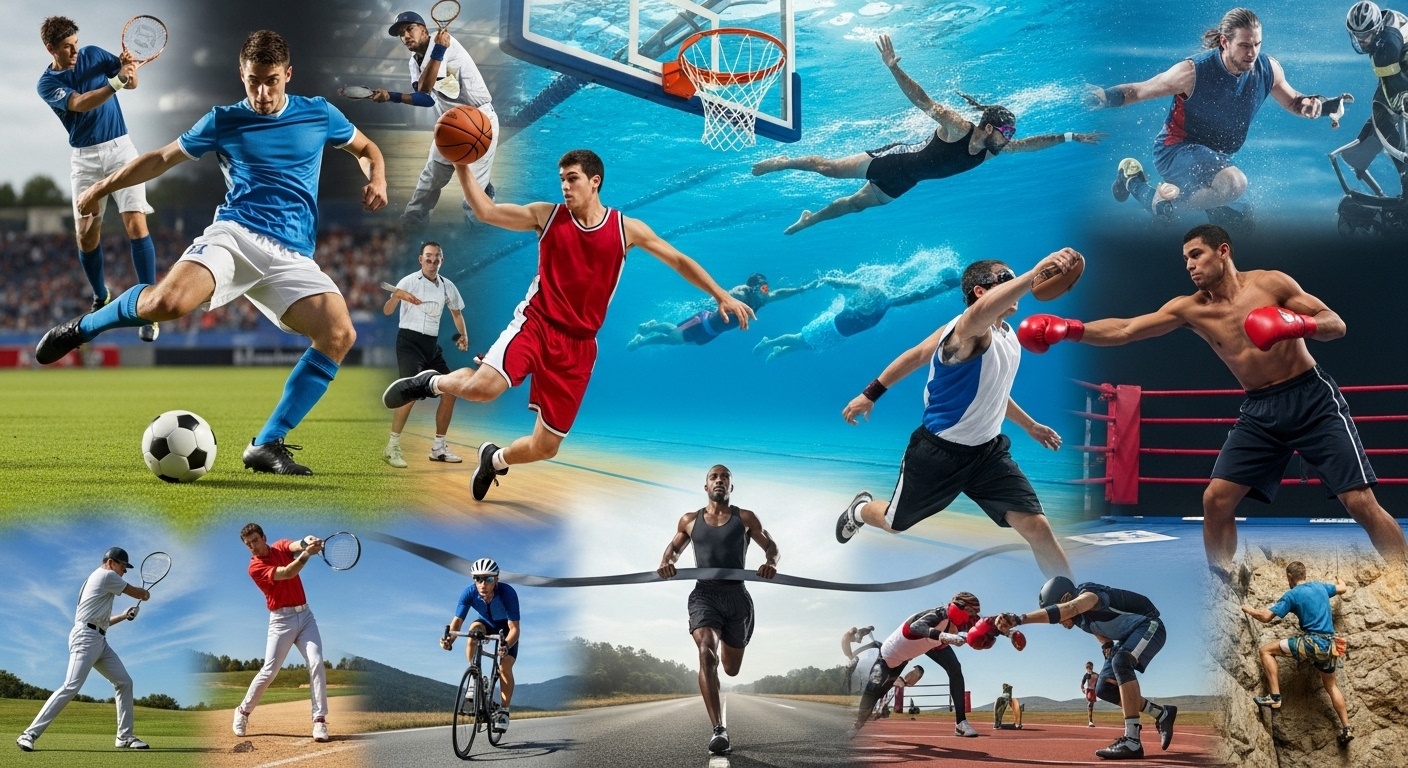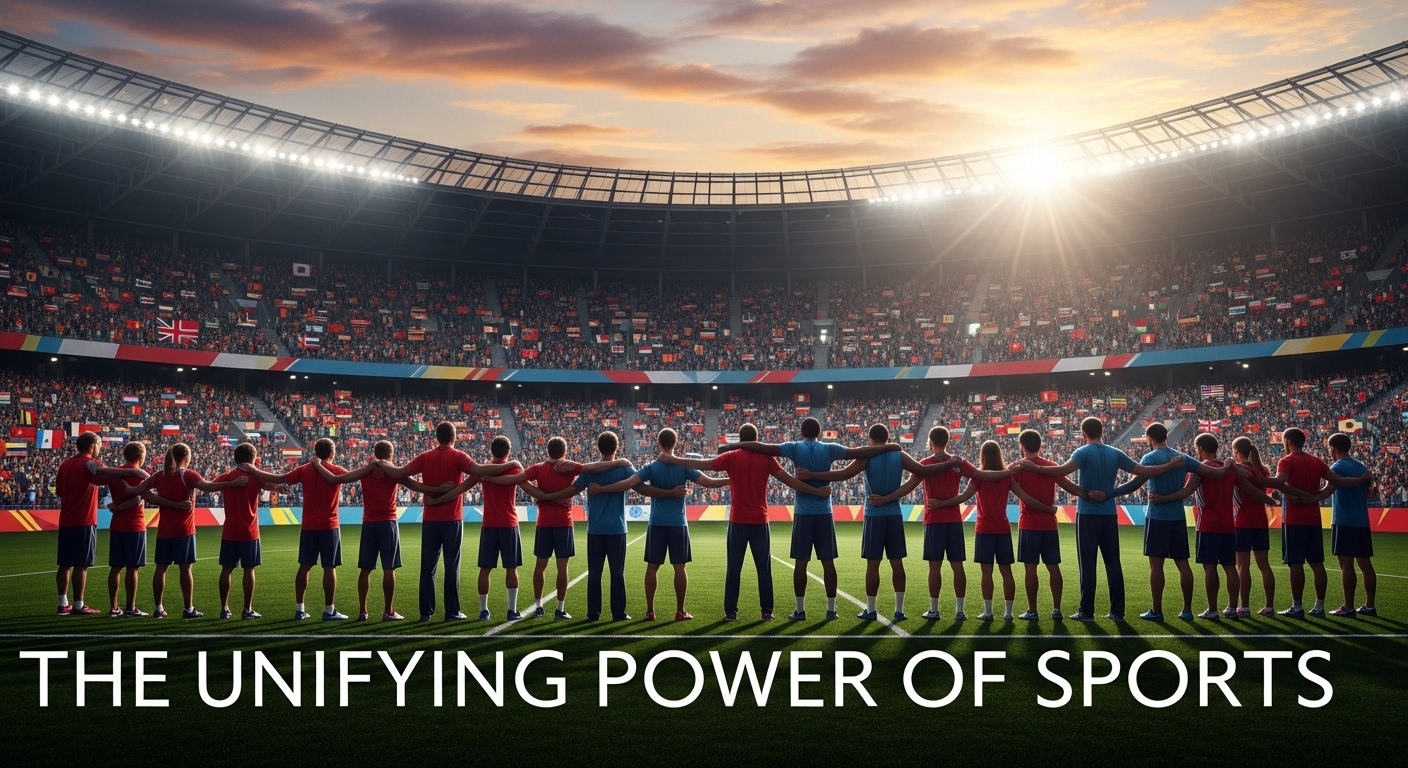

Sports have long been an essential part of human culture. From ancient civilizations to modern-day athletes, sports have evolved, reflecting both the changing values of society and the advancements in technology. Today, we live in an era where sports are not only a form of physical competition but also a global spectacle, influencing everything from culture and politics to technology and economics. The role of sports has shifted dramatically over the years, and the future holds even more exciting transformations. This blog post will delve into the changing landscape of sports, exploring how technology, inclusivity, and globalization are shaping the way we engage with athletics.
The Rise of Technology in Sports: Enhancing Performance and Fan Engagement
Technology has become one of the driving forces behind the evolution of modern sports. From the way games are played to how fans experience them, technology is changing the face of sports in profound ways. Performance-enhancing tools, data analytics, and fan engagement innovations have all become integral components of the sporting world.
Data Analytics and Performance
One of the most significant technological advancements in sports has been the rise of data analytics. Coaches and teams now rely heavily on detailed performance data to make informed decisions about strategy, player development, and injury prevention. Using tools like GPS trackers, heart rate monitors, and motion sensors, teams can gather real-time data on everything from a player’s running speed to their recovery rate.
In sports like basketball, football, and soccer, performance analysis allows coaches to evaluate players with pinpoint accuracy, adjusting training methods based on specific metrics. For example, in the NBA, teams now use motion-tracking technology to analyze every aspect of a player’s movement on the court. This helps identify inefficiencies in a player’s performance, allowing for more focused coaching and training.
Instant Replay and VAR
Technology has also revolutionized the way we officiate sports. The introduction of instant replay and the Video Assistant Referee (VAR) system in soccer has allowed referees to make more accurate decisions during high-pressure moments. These technologies help ensure that crucial calls, such as goals or penalties, are not made in error. The same principle applies to many other sports, such as tennis, where Hawk-Eye technology tracks the trajectory of the ball to resolve line calls.
Fan Engagement and Virtual Reality
Beyond the field, technology is also transforming how fans experience sports. Virtual reality (VR) and augmented reality (AR) are enhancing the viewing experience, offering fans the ability to virtually attend live events or view games from unique angles. For example, some sports leagues now allow fans to watch games in 360-degree VR, providing an immersive experience as if they were sitting courtside or on the field.
Social media has also become a major tool for engaging with fans. Platforms like Twitter, Instagram, and TikTok allow athletes and teams to communicate directly with their fan base, share behind-the-scenes content, and build personal brands. This digital interaction has turned sports figures into global celebrities, further blurring the lines between sports and entertainment.
The Growth of Inclusivity: Breaking Barriers in Sports
Another significant trend in the evolution of sports is the increasing focus on inclusivity and equality. Historically, sports have often been exclusive, with limited opportunities for women, minority groups, and people with disabilities. However, in recent decades, there has been a concerted effort to break down these barriers and ensure that everyone, regardless of their gender, race, or physical ability, has the chance to compete at the highest level.
Women’s Sports
Women’s sports, in particular, have gained significant attention and support in recent years. Female athletes are now recognized for their incredible skill and athleticism, with many breaking records and becoming global icons. Events like the Women’s World Cup in soccer, the WNBA in basketball, and the Women’s Tennis Association (WTA) tours have seen incredible growth in popularity and viewership.
Female athletes such as Serena Williams, Simone Biles, and Megan Rapinoe have become trailblazers, pushing for gender equality both on and off the field. Their achievements have sparked conversations about equal pay, better media representation, and more funding for women’s sports. The success of the 2019 FIFA Women’s World Cup, which saw record-breaking viewership, is a prime example of how women’s sports are gaining mainstream recognition.
Paralympic Sports and Disability Inclusion
Another crucial area of inclusivity in sports is the growing prominence of Paralympic athletes. The Paralympic Games, which feature athletes with physical disabilities, have grown in visibility and respect. With advancements in adaptive sports technology and greater media coverage, athletes like Oscar Pistorius, Tatyana McFadden, and Ellie Simmonds have become household names.
The rise of adaptive equipment, such as high-tech prosthetics and wheelchairs, has allowed athletes with disabilities to compete at the highest level. These innovations have not only improved performance but also showcased the power of human determination and resilience. Paralympic athletes are redefining what it means to be a top-level competitor, breaking down stereotypes about disability and inspiring millions around the world.
LGBTQ+ Representation
In recent years, there has also been increased representation and visibility of LGBTQ+ athletes. Athletes like Jason Collins (the first openly gay NBA player) and Megan Rapinoe (who is openly gay and a vocal advocate for LGBTQ+ rights) have helped spark important conversations about diversity and inclusion in sports. As societal norms continue to shift, more athletes are coming out publicly, knowing they can play without fear of discrimination.
These changes signal a broader cultural shift within sports, where people are beginning to realize that true excellence in sports comes from embracing diversity, rather than excluding people based on their gender, sexual orientation, or physical abilities.
The Globalization of Sports: A New Era of International Competitions
One of the most remarkable changes in the world of sports is the globalization of athletics. Thanks to advancements in communication and transportation, sports are no longer confined to national or regional boundaries. Global competitions like the Olympic Games, the FIFA World Cup, and the ICC Cricket World Cup bring together athletes from across the globe, creating a sense of shared experience and unity.
The Olympic Games: A Celebration of Global Unity
The Olympic Games are a perfect example of the power of globalization in sports. Every four years, athletes from virtually every country in the world gather to compete in a variety of events. The Olympics are more than just a sporting event; they are a symbol of global cooperation, where political, cultural, and geographical differences are set aside in the pursuit of athletic excellence. The Games have evolved from a small Greek festival into the largest and most-watched sporting event in the world, with billions of viewers tuning in to witness the athleticism and spirit of competition.
Football’s Global Reach
No sport has embraced globalization like soccer (football outside the U.S.). The popularity of soccer has exploded worldwide, with clubs from Europe, South America, and Asia drawing millions of fans. Major tournaments like the UEFA Champions League and the FIFA World Cup have become international spectacles, with teams representing countries from every continent. Football’s universal appeal is seen in the massive global fan base of clubs like Barcelona, Manchester United, and Bayern Munich.
The Impact of Global Sponsorships and Media Rights
The globalization of sports is also driven by the immense financial opportunities that come with international media rights and sponsorships. Sports leagues and tournaments are not only a source of entertainment but also major business enterprises. The influx of global sponsorship deals, television contracts, and digital streaming platforms has transformed sports into a multi-billion-dollar industry.
Broadcasting rights for events like the Super Bowl, the World Cup, and the Olympics are sold for astronomical sums, generating revenue for organizations and clubs, and ensuring that sports are accessible to fans worldwide. Companies like Nike, Adidas, and Coca-Cola have become synonymous with major sports events, further emphasizing the business side of sports in this globalized age.
The Future of Sports: Innovation, Health, and Sustainability
Looking ahead, the future of sports is brimming with possibilities. Technological innovations will continue to enhance athletic performance, with breakthroughs in sports medicine, biomechanics, and wearable tech. Smart clothing, injury prevention tools, and enhanced recovery methods will help athletes perform at their peak while reducing the risk of injury.
The growing emphasis on health and fitness also suggests that the future of sports may include a greater focus on personal well-being, mental health, and holistic approaches to performance. As athletes speak more openly about mental health struggles, such as Naomi Osaka’s withdrawal from the French Open in 2021 to focus on her mental well-being, it is clear that the stigma surrounding mental health in sports is slowly being addressed.
Moreover, sustainability will become a central theme in the future of sports. As global awareness of environmental issues grows, sports organizations are beginning to take action. From eco-friendly stadiums to carbon-neutral tournaments, the sustainability of sports will be a major consideration in the coming years. Events like the Tokyo 2020 Olympics have already started to make strides in this direction, using recycled materials in medals and implementing green technology in venues.
Conclusion: Sports as a Bridge to a Better Future
The world of sports is undergoing significant transformation, fueled by technological innovation, a greater focus on inclusivity, and the continued rise of globalization. As we look to the future, sports will continue to evolve in ways that make them more accessible, more connected, and more diverse. What remains unchanged is sports’ power to inspire, unite, and provide a platform for athletes to showcase their incredible talents.
Whether it’s a soccer match watched by millions, a local community race, or the Paralympic Games, sports have the unique ability to transcend barriers, bring people together, and remind us of the strength of the human spirit. The future of sports is bright, and as it continues to evolve, it promises to be a force for positive change and global unity.