
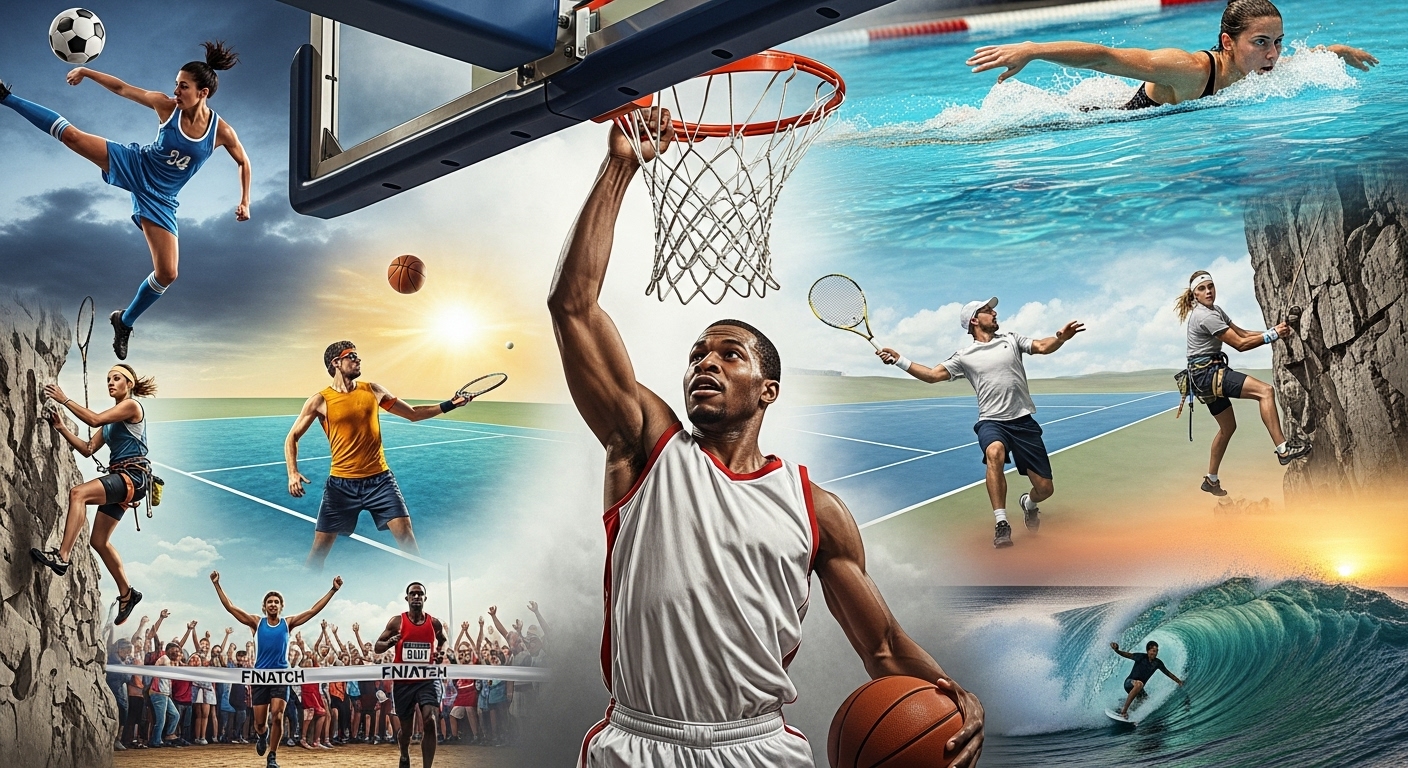
Sports have been an intrinsic part of human civilization since the dawn of history. From ancient Olympic competitions in Greece to modern-day international tournaments, the essence of sports transcends boundaries, cultures, and generations. It is not merely a pastime or entertainment; sports serve as a mirror to human perseverance, teamwork, discipline, and innovation. In this extensive exploration, we delve deep into the world of sports, uncovering its impact, evolution, and the stories that make it a defining aspect of our lives.
The Origins of Sports: From Ancient Times to Modern Days
The origins of organized sports date back thousands of years. Archaeological evidence suggests that early humans engaged in competitive activities as a means of honing survival skills such as hunting, running, and throwing. Ancient civilizations, including the Egyptians, Greeks, and Romans, formalized these activities into structured games. The Greeks, in particular, are renowned for establishing the Olympic Games around 776 BCE, where athletes competed in disciplines like running, wrestling, discus, and javelin.
The Romans, inspired by Greek traditions, added spectacles that showcased not only athleticism but also strategy and endurance. Gladiatorial games, chariot races, and public contests entertained masses while simultaneously celebrating physical prowess. These ancient traditions laid the foundation for modern sports, emphasizing competition, honor, and communal participation.
The Globalization of Sports
The evolution of sports from localized contests to global phenomena is a testament to human connectivity and cultural exchange. As civilizations traded goods and ideas, sports too crossed borders. Football, known as soccer in some regions, evolved from various medieval ball games across Europe into the modern game loved worldwide today. Cricket, originating in England, became a beloved sport in India, Australia, and the Caribbean. Similarly, basketball, invented in 1891 by James Naismith in the United States, rapidly gained international popularity due to its dynamic and fast-paced nature.
Globalization has not only spread sports geographically but also culturally. International tournaments like the FIFA World Cup, the Olympics, and the Rugby World Cup foster a sense of global community. Athletes become ambassadors of their nations, and sports transform into a language that transcends politics, religion, and language barriers.
The Role of Sports in Physical and Mental Health
One of the most significant contributions of sports is its positive impact on physical health. Engaging in regular physical activity strengthens the heart, improves lung function, builds muscle, and enhances overall stamina. For children and adolescents, sports encourage proper growth, development, and the establishment of healthy habits that extend into adulthood.
Equally important is the mental aspect of sports. Participation in sports helps reduce stress, alleviate anxiety, and improve cognitive function. Competitive environments teach resilience, patience, and strategic thinking. Team sports, in particular, cultivate social skills such as communication, empathy, and conflict resolution. The interplay between physical activity and mental wellness makes sports an essential component of a balanced and fulfilling life.
Iconic Sports and Their Evolution
Football (Soccer)
Football is the most popular sport globally, captivating billions with its simplicity and excitement. What started as informal ball games in medieval Europe transformed into a highly organized sport with established rules, leagues, and international tournaments. Football is more than just a game; it is a cultural phenomenon. Nations celebrate victories and mourn defeats with unparalleled passion. Legendary players, such as Pelé, Diego Maradona, and Lionel Messi, have become icons, inspiring generations with their skill, dedication, and artistry.
Basketball
Basketball’s rise in popularity is remarkable for its accessibility. The game requires minimal equipment—a ball and a hoop—and can be played indoors or outdoors. Its fast pace, dynamic plays, and high-scoring nature attract audiences worldwide. The National Basketball Association (NBA) in the United States revolutionized basketball, transforming it into a global entertainment spectacle. Players like Michael Jordan, LeBron James, and Kobe Bryant have left indelible marks, blending athleticism with charisma.
Cricket
Cricket holds a special place in countries like India, Pakistan, England, and Australia. Its formats range from the traditional five-day Test matches to the fast-paced Twenty20 games, offering a blend of strategy, patience, and athleticism. Cricket is not just a sport but a social glue, bringing communities together and evoking national pride. The sport’s evolution showcases adaptability, as it continues to thrive despite modern challenges and changing lifestyles.
Athletics
Athletics, encompassing running, jumping, and throwing events, epitomizes the essence of physical performance. Track and field competitions test human limits, pushing athletes to achieve feats once considered impossible. From Usain Bolt’s record-breaking sprints to long jump and pole vault achievements, athletics celebrates pure human capability. The Olympics remain the pinnacle of athletic endeavor, where the world gathers to witness the triumph of human spirit.
Sports as a Catalyst for Social Change
Throughout history, sports have often served as a powerful platform for social change. Iconic moments in sports have challenged societal norms and promoted equality. For instance, Jackie Robinson breaking the color barrier in Major League Baseball in 1947 was not merely a personal achievement—it was a milestone in the civil rights movement. Similarly, female athletes’ fight for equal pay and recognition in sports highlights the broader struggle for gender equality.
Sports also play a crucial role in community building and youth empowerment. Local leagues and grassroots initiatives provide children with opportunities to develop life skills, confidence, and a sense of belonging. Through sports, individuals learn the values of fair play, perseverance, and teamwork, which extend beyond the field into everyday life.
The Science Behind Sports Performance
Modern sports are as much about science as they are about skill. Sports science encompasses physiology, biomechanics, nutrition, psychology, and data analytics. Understanding how the body functions, how to prevent injuries, and how to optimize performance has revolutionized training methods. Athletes now rely on precise measurements, tailored diets, and specialized recovery routines to maintain peak performance.
Technology has further transformed sports. Wearable devices monitor heart rates, movement patterns, and sleep cycles. Video analysis enables coaches to dissect every play and improve strategies. Sports science ensures that athletes are not only talented but also scientifically prepared to excel.
Economic Impact of Sports
Sports are a major economic driver globally. Professional leagues, tournaments, and events generate billions of dollars annually. Beyond ticket sales and merchandise, sports stimulate local economies by creating jobs in hospitality, marketing, broadcasting, and infrastructure development. Mega-events like the Olympics and the FIFA World Cup transform host cities, investing in stadiums, transport systems, and urban development, leaving long-lasting economic and social legacies.
Additionally, sports sponsorships and endorsements provide significant income streams for athletes and brands alike. The commercialization of sports has brought both opportunities and challenges, balancing profit motives with the integrity of the game.
The Psychological Edge: Mind Over Matter
While physical ability is critical, mental strength often distinguishes champions from the rest. Sports psychology examines how athletes cope with pressure, maintain focus, and recover from setbacks. Visualization techniques, mindfulness, and mental conditioning help athletes perform consistently under high-stress environments.
The concept of “flow” or being “in the zone” is central to peak performance. When athletes are fully immersed in the moment, they execute skills with precision and fluidity. Understanding the psychological dimension of sports emphasizes that victory is as much about mental acuity as it is about physical excellence.
The Future of Sports
The future of sports promises continued evolution and innovation. Emerging technologies such as virtual reality, artificial intelligence, and augmented reality are reshaping training, broadcasting, and fan engagement. eSports, or competitive video gaming, has surged in popularity, creating a new frontier where strategy, reflexes, and teamwork are paramount.
Sustainability is becoming increasingly important. Sports organizations are adopting eco-friendly practices, from reducing carbon footprints in stadiums to promoting sustainable merchandise. Inclusivity also remains a priority, with efforts to make sports accessible to people of all abilities, genders, and backgrounds.
Stories That Inspire: Heroes of the Field
Sports are filled with stories of triumph, resilience, and dedication. Athletes who overcome injuries, social obstacles, or personal hardships remind us that human potential is limitless. Whether it is an underdog team winning against all odds or an individual breaking a world record, these narratives inspire millions to pursue their dreams and embrace challenges with courage.
Legends like Serena Williams, Muhammad Ali, Roger Federer, and Lionel Messi exemplify this spirit. Beyond their achievements, they demonstrate sportsmanship, humility, and the power of relentless pursuit. Such stories reinforce why sports captivate hearts and minds worldwide.
Conclusion: Sports as a Reflection of Humanity
Sports are far more than competitive activities. They are reflections of human ambition, creativity, and resilience. They unite people across cultures, foster health and well-being, and provide a platform for social change. From ancient games to modern spectacles, sports continue to evolve while maintaining their core essence: celebrating the human spirit.
As fans cheer, athletes push limits, and communities come together, sports remind us of our shared humanity. They teach lessons of discipline, teamwork, and perseverance that extend far beyond stadiums and fields. Ultimately, sports are a testament to our desire to challenge ourselves, connect with others, and strive for excellence in every aspect of life.