Introduction to the World of Sports
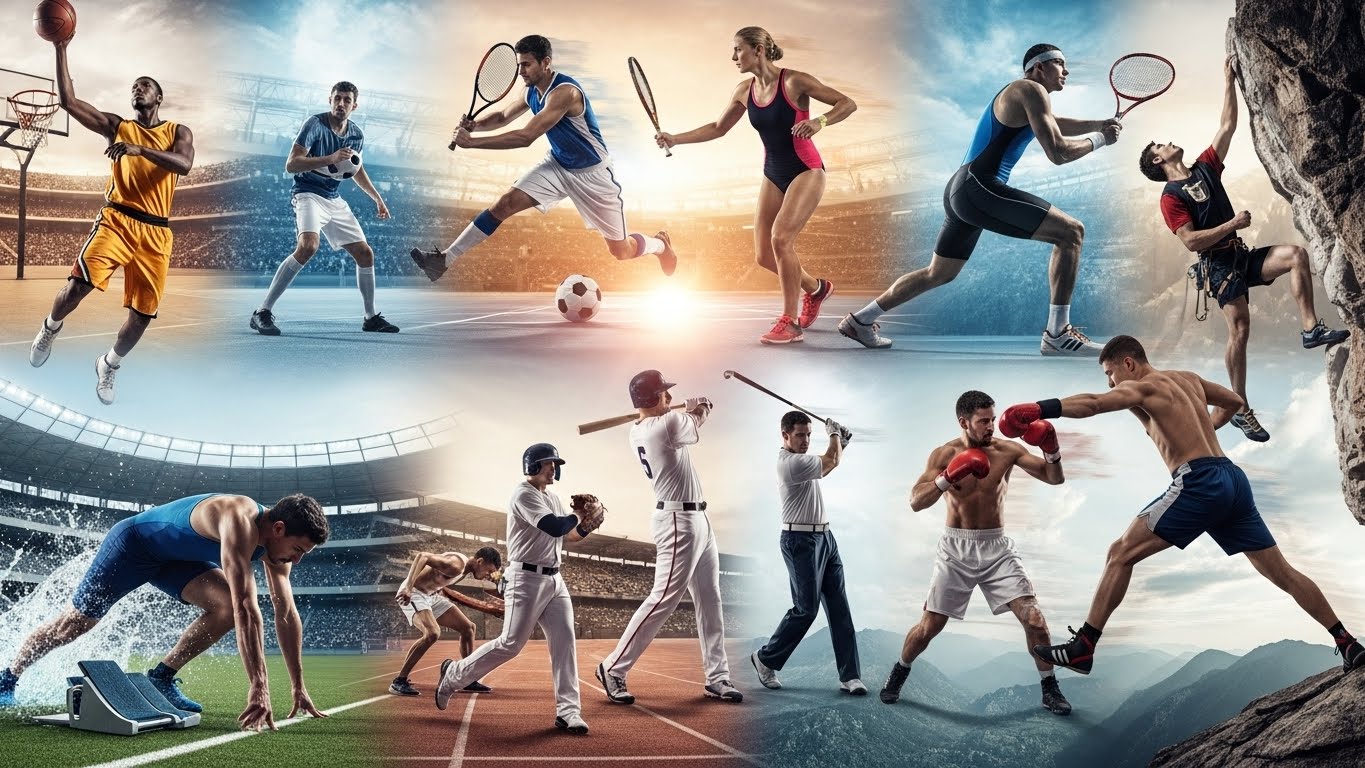
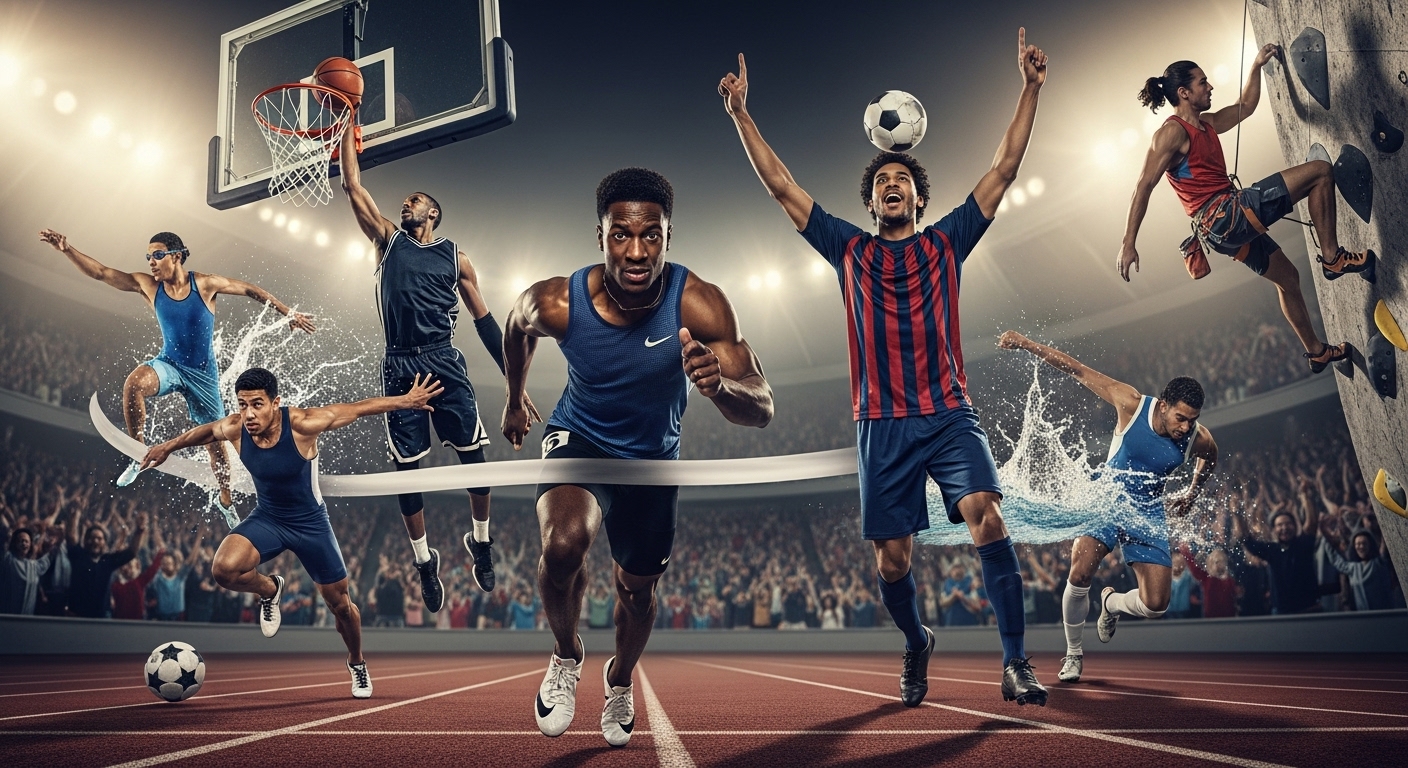
Sports have been an integral part of human civilization since the earliest days of our existence. From the ancient Olympic Games in Greece to the modern-day global spectacles like the FIFA World Cup and the Olympics, sports have evolved into a universal language that transcends cultural, social, and national barriers. They are more than just games or competitions; they represent human perseverance, teamwork, discipline, and the relentless pursuit of excellence. Sports bring people together, inspire nations, and create heroes whose achievements echo through generations.
The Historical Roots of Sports
The history of sports can be traced back thousands of years, to when humans began competing for survival, strength, and honor. In ancient times, sports were not only entertainment but also preparation for war and a demonstration of physical capability. The Greeks formalized this concept with the birth of the Olympic Games in 776 BCE, where athletes competed in events like running, wrestling, and discus throwing. Similarly, ancient civilizations such as the Egyptians, Chinese, and Mayans practiced their own sporting rituals that reflected their cultures and values.
Sports in the medieval period took different forms, with knights participating in jousting and archery contests, while peasants played ball games for recreation. As societies developed, so did sports. By the 19th century, with the rise of industrialization and organized education, sports became institutionalized. Rules were standardized, clubs were established, and national and international competitions began to flourish.
The Role of Sports in Modern Society
In the modern world, sports are no longer confined to recreation or leisure. They have become a multibillion-dollar global industry that influences culture, politics, and economics. Major sporting events attract billions of viewers worldwide, and athletes have become influential figures and role models. Sports shape national identity, promote unity, and serve as a source of pride for countries around the globe.
The importance of sports extends beyond the professional level. In schools and communities, sports play a vital role in shaping young minds. They teach essential life skills such as teamwork, leadership, discipline, and time management. Engaging in sports also encourages a healthy lifestyle and helps combat issues like obesity and stress.
The Spirit of Competition
At the heart of every sport lies competition, the drive to push one’s limits and strive for victory. This competitive spirit is what fuels athletes to train harder, endure pain, and overcome adversity. Competition also brings out the best in people, revealing their true potential and character. Whether it’s a tennis match, a football game, or a marathon, competition demands resilience, mental strength, and strategy.
However, the essence of competition in sports is not just about winning. True sportsmanship lies in respect for opponents, fair play, and integrity. Some of the most inspiring moments in sports history have come not from victories but from displays of humility, kindness, and courage in defeat.
The Psychological Impact of Sports
Sports are as much a mental challenge as they are a physical one. Athletes must master their minds to perform at their best. Mental toughness, focus, and emotional control are key factors that separate good athletes from great ones. The psychological demands of sports often teach valuable lessons about handling pressure and bouncing back from failure.
Participation in sports also has significant mental health benefits for everyone, not just elite athletes. Physical activity releases endorphins, which reduce stress and boost mood. Team sports create social connections and a sense of belonging, while individual sports foster self-confidence and self-discipline.
The Economic Influence of Sports
The economic dimension of sports is enormous. From ticket sales and broadcasting rights to merchandise and sponsorships, the sports industry generates trillions of dollars globally. Major sporting events can transform cities and economies. For instance, hosting the Olympics or the FIFA World Cup often leads to infrastructural development, tourism growth, and job creation.
Sports franchises themselves are now global brands. Teams like Real Madrid, the New York Yankees, and the Los Angeles Lakers have fans all over the world, and their influence extends far beyond the playing field. The commercialization of sports has also opened new opportunities for athletes, who now earn through endorsements, media deals, and business ventures.
The Role of Technology in Modern Sports
Technology has revolutionized how sports are played, watched, and analyzed. From high-definition cameras and virtual replays to performance tracking and artificial intelligence, innovation has enhanced every aspect of the sporting experience.
Athletes now use advanced training equipment and data analytics to improve performance and reduce injury risks. Wearable technology tracks heart rate, movement, and fatigue levels, allowing for personalized training programs. In officiating, tools like goal-line technology and the video assistant referee (VAR) system have increased fairness and accuracy.
Fans, too, have benefited from technological progress. They can now stream matches live, interact with athletes on social media, and experience games through virtual reality. Technology has made sports more accessible, immersive, and engaging for audiences worldwide.
The Power of Sports to Unite People
Few things in the world have the power to unite people like sports. When a national team plays in a major tournament, political and social differences often fade away, replaced by a shared sense of pride and joy. Sports provide a common ground where people of all backgrounds can come together, cheer, and celebrate.
Iconic moments such as Nelson Mandela’s use of rugby to unite post-apartheid South Africa, or the joint Korean teams at the Winter Olympics, demonstrate the power of sports to promote peace and reconciliation. Even at the grassroots level, local games foster community spirit and solidarity.
Women in Sports: Breaking Barriers and Inspiring Generations
For a long time, sports were dominated by men, but women have increasingly challenged and transformed that narrative. Female athletes have proven their strength, skill, and determination in every field—from tennis and athletics to football and boxing. Pioneers like Serena Williams, Simone Biles, and Megan Rapinoe have not only achieved greatness but also inspired millions to break stereotypes and pursue equality.
The rise of women’s sports has also changed how the world views gender roles. More girls now participate in athletics, and organizations worldwide are pushing for equal pay, media coverage, and opportunities. The empowerment that sports provide to women is monumental—it encourages confidence, resilience, and leadership.
Youth and Sports: Building the Future
The importance of sports for youth development cannot be overstated. Sports teach children essential values such as discipline, patience, and teamwork. They learn to handle success and failure gracefully and develop social and emotional intelligence through interaction with teammates and coaches.
Youth sports also play a crucial role in nurturing future champions. Many of today’s world-class athletes began their journeys in small local clubs or school competitions. Encouraging sports participation among children builds a foundation for both physical health and personal growth.
Sports and Globalization
The globalization of sports has created a more connected and inclusive world. Athletes now cross borders to play for teams in different countries, and fans follow international competitions with enthusiasm. Sports have become a cultural bridge, allowing nations to exchange ideas, traditions, and respect.
Globalization has also led to the rise of international leagues and tournaments that attract global audiences. For instance, the English Premier League, NBA, and IPL have fans in nearly every corner of the planet. This interconnectedness has made sports a form of cultural diplomacy that promotes mutual understanding and respect.
The Dark Side of Sports
While sports are a source of joy and inspiration, they are not without problems. Corruption, doping, match-fixing, and excessive commercialization have occasionally tarnished their image. The pressure to win at all costs sometimes leads athletes and organizations to make unethical choices.
Additionally, issues such as racism, gender inequality, and exploitation of young athletes remain prevalent in some areas. It is essential for governing bodies, fans, and athletes themselves to uphold the integrity of sports by promoting fairness, inclusion, and respect.
The Role of Media in Sports
Media plays a critical role in shaping how we perceive sports. From newspapers and radio to television and digital platforms, the media has transformed athletes into celebrities and events into global phenomena. The relationship between sports and media is mutually beneficial—the media gets content and audience engagement, while sports gain exposure and popularity.
Social media has added a new dimension to this dynamic. Athletes can now communicate directly with fans, share their journeys, and influence public opinion. However, this visibility also comes with challenges such as online abuse and privacy concerns.
Sports as a Tool for Social Change
Sports have often been used as a platform for raising awareness about important social issues. Athletes use their influence to advocate for causes such as racial equality, gender rights, and mental health. Campaigns like “Black Lives Matter” and “Play for Peace” have shown that sports can be a powerful medium for change.
When athletes take a stand, their actions inspire millions. Sports can challenge prejudices, promote inclusivity, and encourage collective action toward a better society.
The Future of Sports
The future of sports promises to be even more dynamic and diverse. With advancements in technology, shifts in cultural values, and an emphasis on sustainability, the landscape of sports is evolving rapidly. Virtual sports, eSports, and digital competitions are redefining how people engage with athletic performance.
Moreover, inclusivity will continue to grow, with adaptive sports for differently-abled athletes gaining greater recognition. The focus on mental health, environmental responsibility, and community engagement will shape the future of sports into something even more meaningful.
Conclusion: The Everlasting Legacy of Sports
Sports are far more than physical contests; they are a reflection of human spirit and unity. They teach lessons that extend beyond the field—about persistence, teamwork, respect, and resilience. From the roar of a stadium to the silent determination of a runner at the starting line, sports capture the essence of what it means to strive, to hope, and to achieve.
In a world often divided by differences, sports remain one of the few forces that can bring humanity together. Whether played for passion, pride, or purpose, sports will always embody the timeless pursuit of excellence and the unbreakable bond that connects us all.