Introduction: The Universal Appeal of Sports
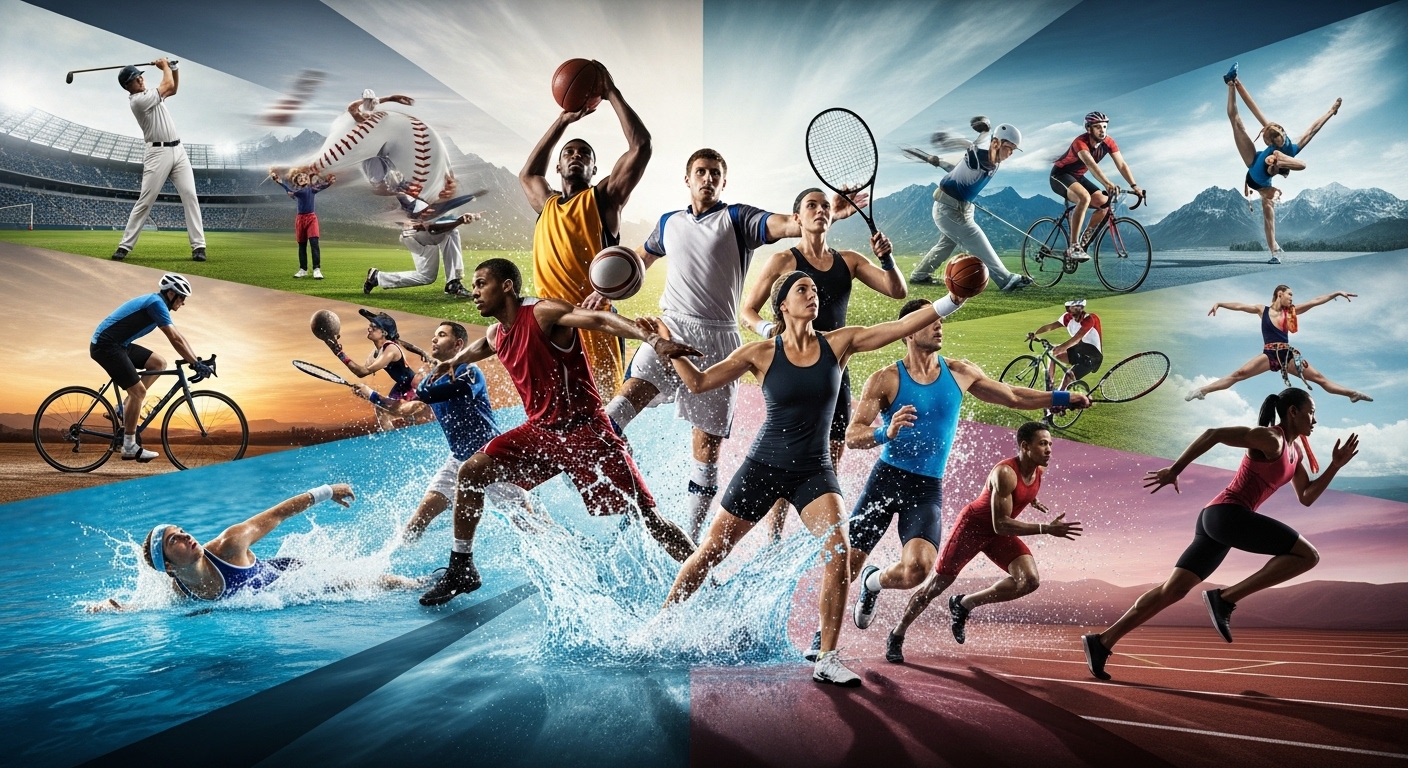
Sports have been an integral part of human civilization for thousands of years. They transcend cultural, social, and geographical boundaries, uniting people in ways few other activities can. Sports are not just a form of entertainment—they are a reflection of human discipline, perseverance, and creativity. From the local playgrounds to international arenas, sports engage individuals physically, mentally, and socially. They inspire teamwork, resilience, and dedication while promoting health and personal growth. This blog explores the evolution of sports, their impact on individuals and society, and the trends shaping the future of athletic competition.
The History and Evolution of Sports
Sports have ancient origins, with evidence of organized athletic contests found in civilizations such as Greece, Egypt, and China. The ancient Olympic Games in Greece celebrated physical excellence, honor, and cultural pride. Sports were also used to train warriors, promote discipline, and build community cohesion.
As civilizations advanced, organized sports with standardized rules emerged. Football, cricket, basketball, and track and field competitions became more structured, with leagues, clubs, and international competitions. The rise of media and broadcasting in the twentieth century brought sports to a global audience, making athletes household names and transforming games into a form of mass entertainment. Today, sports continue to evolve with technology, professionalization, and growing inclusivity, maintaining their role as a cornerstone of society.
Physical and Health Benefits of Sports
The most obvious benefits of sports are physical. Regular participation strengthens muscles, improves cardiovascular health, enhances flexibility, and supports weight management. Athletes develop coordination, endurance, and reflexes, all of which contribute to overall physical well-being.
Sports also play a crucial role in mental health. Exercise releases endorphins, which reduce stress, anxiety, and depression. Engaging in sports provides a structured outlet for energy, boosts self-confidence, and encourages a sense of accomplishment. For children and adults alike, sports foster healthy lifestyle habits that extend into other areas of life.
The Role of Teamwork in Sports
One of the most important lessons sports teach is teamwork. Whether in football, basketball, volleyball, or relay races, athletes learn to collaborate, communicate, and trust their teammates. Success often depends on the collective effort rather than individual talent alone, highlighting the importance of cooperation.
Team sports develop leadership skills, conflict resolution abilities, and empathy. Players learn to celebrate victories together, handle defeats gracefully, and support each other through challenges. These skills translate beyond the sports arena, helping individuals succeed in professional, academic, and personal endeavors.
Discipline and Personal Growth
Sports demand dedication, time management, and perseverance. Athletes commit to rigorous training schedules, diet plans, and skill development routines. This discipline fosters a growth mindset, where individuals continuously strive to improve performance and overcome challenges.
Overcoming injuries, losses, and setbacks builds resilience. Sports teach individuals to set goals, focus on long-term objectives, and remain patient in the pursuit of excellence. These lessons are invaluable for personal growth, shaping individuals into disciplined, resilient, and motivated members of society.
Sports as a Social and Cultural Force
Sports influence culture and society in profound ways. They bring communities together, create shared experiences, and foster a sense of identity. Major events such as the Olympics, FIFA World Cup, and international tournaments unite fans worldwide, transcending borders and differences.
Athletes often serve as role models, demonstrating courage, dedication, and ethical behavior. Sports can also highlight social issues, inspire movements, and promote equality and inclusion. Through celebration and competition, sports act as a reflection of society and a tool for social cohesion.
The Economic Impact of Sports
Sports contribute significantly to the global economy. Professional leagues, tournaments, sponsorships, merchandise, and broadcasting rights generate billions of dollars annually. Stadiums, training facilities, and sports events create employment opportunities and stimulate local economies.
Grassroots programs and community sports initiatives also have economic value by encouraging participation, promoting health, and developing talent. Sports provide pathways for entrepreneurship, innovation, and professional careers, making them an influential economic sector in addition to a cultural phenomenon.
Technology and Innovation in Sports
Technology has transformed the way athletes train, compete, and connect with fans. Wearable devices monitor performance metrics such as heart rate, speed, and endurance, helping athletes optimize training. Video analysis and data analytics allow coaches to refine strategies and improve decision-making.
Virtual reality and augmented reality technologies enhance training by simulating real-game scenarios, while fans benefit from immersive experiences, interactive broadcasts, and instant statistics. Technology continues to push the boundaries of athletic performance and fan engagement, making sports more competitive and accessible than ever before.
Sports and Education
Sports and education go hand in hand, nurturing holistic development. Schools and universities integrate sports into curricula to promote physical fitness, discipline, and teamwork. Student-athletes learn to balance academics and athletics, developing time management, focus, and goal-setting skills.
Scholarships and collegiate competitions provide opportunities for talented athletes to pursue higher education while excelling in sports. Participation in sports fosters leadership, confidence, and interpersonal skills, ensuring students grow academically, physically, and socially.
Mental Resilience Through Sports
Sports cultivate mental toughness and resilience. Athletes face pressure, competition, and unexpected challenges, learning to stay calm, focused, and strategic under stress. Mental resilience developed through sports translates into personal and professional life, helping individuals overcome adversity and perform under pressure.
Competitive sports also teach emotional regulation, patience, and self-control. Players develop the ability to celebrate victories gracefully and learn from defeats without losing motivation. This mental fortitude is a hallmark of athletes and contributes to overall life success.
Inclusivity and Accessibility in Sports
Modern sports are embracing inclusivity and accessibility. Programs for differently-abled athletes, women’s sports leagues, and community initiatives promote diversity and equal opportunities. Adaptive sports enable individuals with physical or cognitive challenges to participate, compete, and thrive.
By making sports accessible to everyone, society encourages diversity, teamwork, and mutual respect. Inclusivity ensures that talent is recognized and nurtured regardless of background, ability, or gender, enriching the sports landscape globally.
Global Sports Events and Their Influence
International sports events are not only competitions but also cultural phenomena. The Olympics, FIFA World Cup, and international championships showcase athletic excellence while promoting unity and diplomacy. Nations rally behind their teams, celebrating identity, achievement, and national pride.
These events also stimulate tourism, infrastructure development, and media engagement. They leave lasting legacies in host cities and countries, creating facilities, programs, and opportunities for future generations. Global sports events inspire millions and reinforce the universal appeal of athletic competition.
The Future of Sports
The future of sports promises innovation, inclusivity, and global engagement. Esports and virtual competitions are gaining recognition alongside traditional athletics. Emerging technologies such as artificial intelligence, wearable tech, and virtual reality will enhance training, fan engagement, and game analysis.
Sustainability is becoming central to sports management. Eco-friendly stadiums, energy-efficient operations, and responsible event planning reflect a growing commitment to the environment. The sports industry will continue to adapt, integrating tradition with innovation to inspire new generations of athletes and fans worldwide.
Conclusion: Why Sports Matter
Sports are far more than games—they are a reflection of human potential, resilience, and community. They enhance physical health, mental well-being, teamwork, discipline, and social cohesion. Sports influence culture, economy, education, and technology, shaping societies in meaningful ways.
Participation in sports teaches life lessons that extend beyond the field: perseverance, leadership, strategy, and empathy. They create shared experiences, inspire achievement, and foster global unity. In a rapidly evolving world, sports remain a timeless, universal force that celebrates human excellence, encourages personal growth, and strengthens communities.
Whether played professionally or casually, sports continue to shape who we are, how we connect, and how we thrive. They remind us that beyond competition, sports are about passion, dedication, and the joy of play—the ultimate expressions of the human spirit.