
Introduction
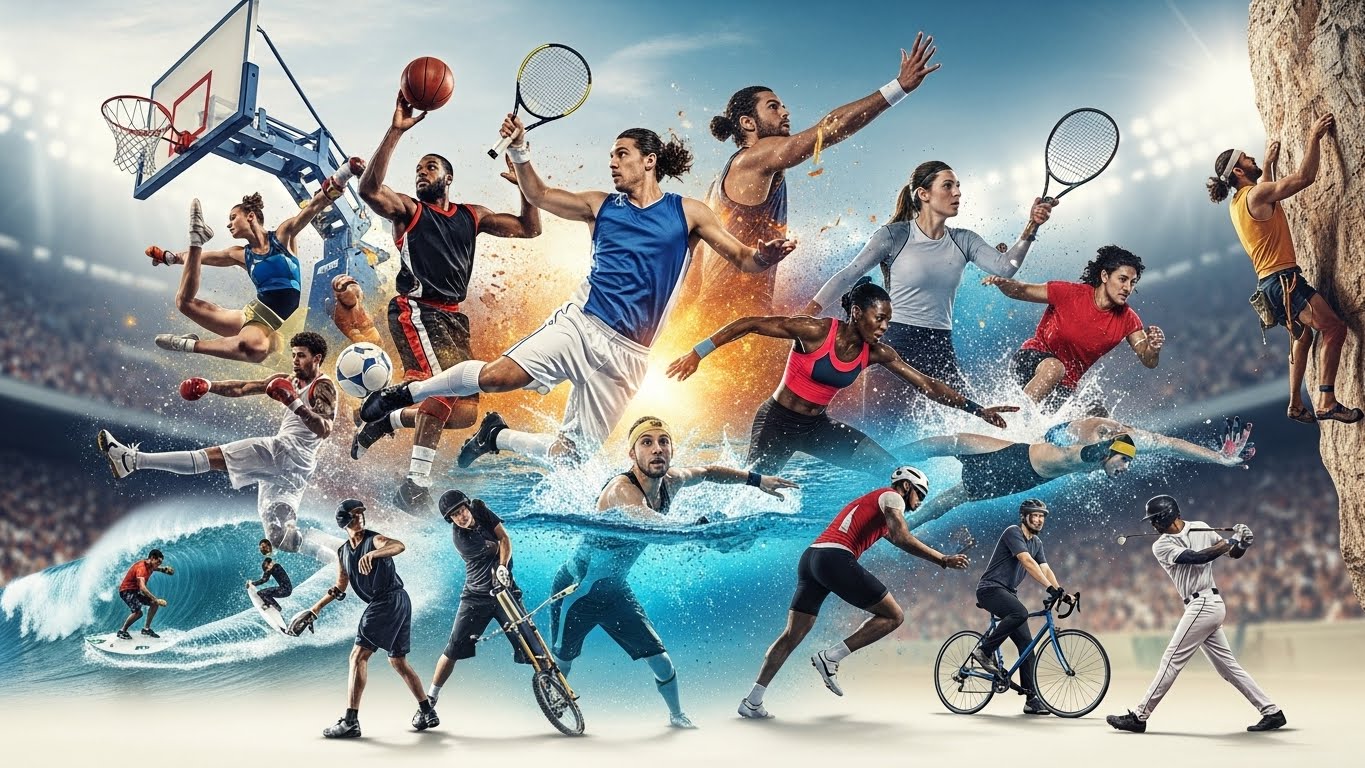
Sports are more than just a form of recreation; they are a universal language that transcends culture, age, and geography. From ancient civilizations to modern global competitions, sports have played a vital role in shaping societies, fostering discipline, and promoting unity. They entertain, challenge, and inspire people while teaching values such as teamwork, perseverance, and fairness. This blog delves into the multifaceted world of sports, exploring their history, impact on individuals and communities, cultural significance, and future trends.
The Origins and Evolution of Sports
Sports have been part of human life for thousands of years. Early humans engaged in physical activities for survival, such as hunting, running, and wrestling. Over time, these activities evolved into organized competitions that tested strength, speed, and strategy. Ancient civilizations, including the Greeks, Egyptians, and Chinese, celebrated sports as both entertainment and ritual.
The Olympic Games, which originated in ancient Greece, exemplified the importance of sports in society. These games celebrated athletic skill, discipline, and human excellence. As societies developed, sports became more structured, with rules, equipment, and teams, laying the foundation for modern sports such as football, basketball, cricket, and athletics.
Today, sports continue to evolve with technological innovations, new disciplines, and global competitions, making them accessible and engaging to millions worldwide.
The Physical Benefits of Sports
One of the most obvious advantages of sports is the improvement of physical health. Regular participation in sports enhances cardiovascular fitness, muscle strength, flexibility, and coordination. It helps in maintaining a healthy weight, improving posture, and reducing the risk of chronic diseases such as diabetes, heart disease, and obesity.
Sports also contribute to longevity by promoting an active lifestyle. Activities like running, swimming, cycling, and team sports help maintain stamina and overall vitality. Even light physical engagement, such as yoga or walking, can provide significant health benefits. Sports encourage people to develop routines that incorporate regular exercise, which becomes a cornerstone of a healthy lifestyle.
The Mental and Emotional Benefits of Sports
Sports are not only beneficial for the body but also for the mind. Physical activity stimulates the release of endorphins, reducing stress and promoting a sense of well-being. Participation in sports can help combat anxiety, depression, and other mental health challenges.
Engaging in sports teaches discipline, focus, and resilience. Athletes learn to set goals, overcome setbacks, and maintain perseverance through challenges. Sports also encourage problem-solving, strategic thinking, and adaptability, which are essential skills in personal and professional life.
Team sports, in particular, help develop social and emotional intelligence. They teach individuals to communicate effectively, work collaboratively, and empathize with teammates, fostering strong interpersonal relationships.
Team Sports: Collaboration and Strategy
Team sports such as football, basketball, hockey, and volleyball emphasize cooperation, coordination, and collective effort. Success in these sports depends not only on individual skill but also on effective teamwork and communication.
Playing in a team teaches valuable life lessons. Athletes learn to trust one another, share responsibilities, and work toward a common goal. Team sports also cultivate leadership skills, as captains and senior players guide younger teammates, motivate them, and build morale. Beyond the field, the collaboration and strategic thinking developed in team sports often translate into better teamwork in workplaces and communities.
Individual Sports: Personal Challenge and Growth
Individual sports like tennis, athletics, swimming, gymnastics, and martial arts focus on personal achievement and self-discipline. Success depends on an athlete’s dedication, mental strength, and consistency. Individual sports teach self-reliance, accountability, and perseverance.
These sports push participants to overcome personal limitations and embrace challenges. Achieving a personal best, winning a competition, or mastering a new skill provides a sense of accomplishment that builds confidence and resilience. While team sports emphasize collective effort, individual sports highlight personal growth and mastery.
Sports and Cultural Significance
Sports play a critical role in shaping cultural identity. International competitions like the Olympics, FIFA World Cup, and Cricket World Cup showcase a country’s talent and heritage. Athletes often become symbols of national pride and inspiration, representing their communities on a global stage.
Cultural traditions also influence regional sports. For example, sumo wrestling in Japan, kabaddi in India, rugby in New Zealand, and ice hockey in Canada highlight unique cultural values. Sports preserve these traditions while also promoting them to a global audience, fostering cultural exchange and mutual respect.
The Role of Sports in Education and Youth Development
Sports are an essential part of education and youth development. Schools and colleges incorporate physical education programs to promote fitness, teamwork, and discipline. Participation in school sports teaches children time management, goal setting, and perseverance.
Youth sports programs provide opportunities to explore talents and develop confidence. They also instill values such as fair play, respect, and ethical behavior. For many young athletes, sports open doors to scholarships, professional opportunities, and even lifelong careers. Beyond physical development, sports help shape responsible, disciplined, and socially aware individuals.
Professional Sports and Their Global Impact
Professional sports have a significant influence on society. Athletes inspire millions with their dedication, skill, and determination. Spectacular performances captivate audiences and create a shared sense of excitement and pride.
Professional sports also contribute to economic growth. Events generate revenue through ticket sales, merchandise, broadcasting, and tourism. Athletes become role models, promoting social causes, health awareness, and positive behavior. Their influence extends beyond sports, shaping public opinion and encouraging active lifestyles.
Sports as a Unifying Force
Sports have the unique ability to bring people together. Fans from different backgrounds unite to support their favorite teams or athletes. Sporting events create shared experiences and foster a sense of community, whether at local games or international competitions.
Major tournaments and leagues transcend political, social, and cultural barriers. They encourage dialogue, camaraderie, and mutual respect. Even in times of conflict or tension, sports can serve as a platform for reconciliation and harmony, emphasizing common humanity over differences.
Technology and Innovation in Sports
Modern sports are increasingly shaped by technology. Innovations in training equipment, performance monitoring, and data analytics enhance athlete performance. Wearable devices track heart rate, stamina, and recovery, helping athletes optimize their routines and prevent injuries.
Technology also improves spectator experience. High-definition broadcasts, instant replays, and digital platforms allow fans to follow events in real time. Virtual reality and simulation training offer immersive experiences for both players and audiences. Social media provides instant updates and interaction, connecting fans and athletes globally.
Challenges and Ethical Considerations
Despite their benefits, sports face challenges. Issues like doping, corruption, and unethical practices threaten fairness and credibility. Maintaining integrity and enforcing rules is essential to preserve the spirit of competition.
Access to sports remains unequal in some regions, particularly for women, marginalized groups, and people with disabilities. Promoting inclusivity and accessibility requires awareness, infrastructure, and policy support to ensure that sports can benefit everyone equally.
The Future of Sports
The future of sports promises further innovation and inclusivity. Virtual and augmented reality may transform how sports are played and experienced. Esports and digital competitions are redefining athleticism in the modern era.
Sustainability, gender equality, and accessibility will play central roles in shaping the sports landscape. Technological advancements, ethical practices, and global connectivity will ensure that sports remain a source of inspiration, unity, and personal growth for generations to come.
Conclusion
Sports are more than games; they are a reflection of human potential, resilience, and unity. They enhance physical health, foster mental well-being, and nurture values like teamwork, discipline, and fair play. Sports entertain, challenge, and inspire, connecting individuals and communities across the globe.
Whether through casual play, professional competitions, or international events, sports continue to shape lives and societies. They remind us of the value of perseverance, the joy of achievement, and the importance of shared passion. As the world evolves, sports will remain an enduring force that inspires, unites, and transforms humanity.