
Introduction
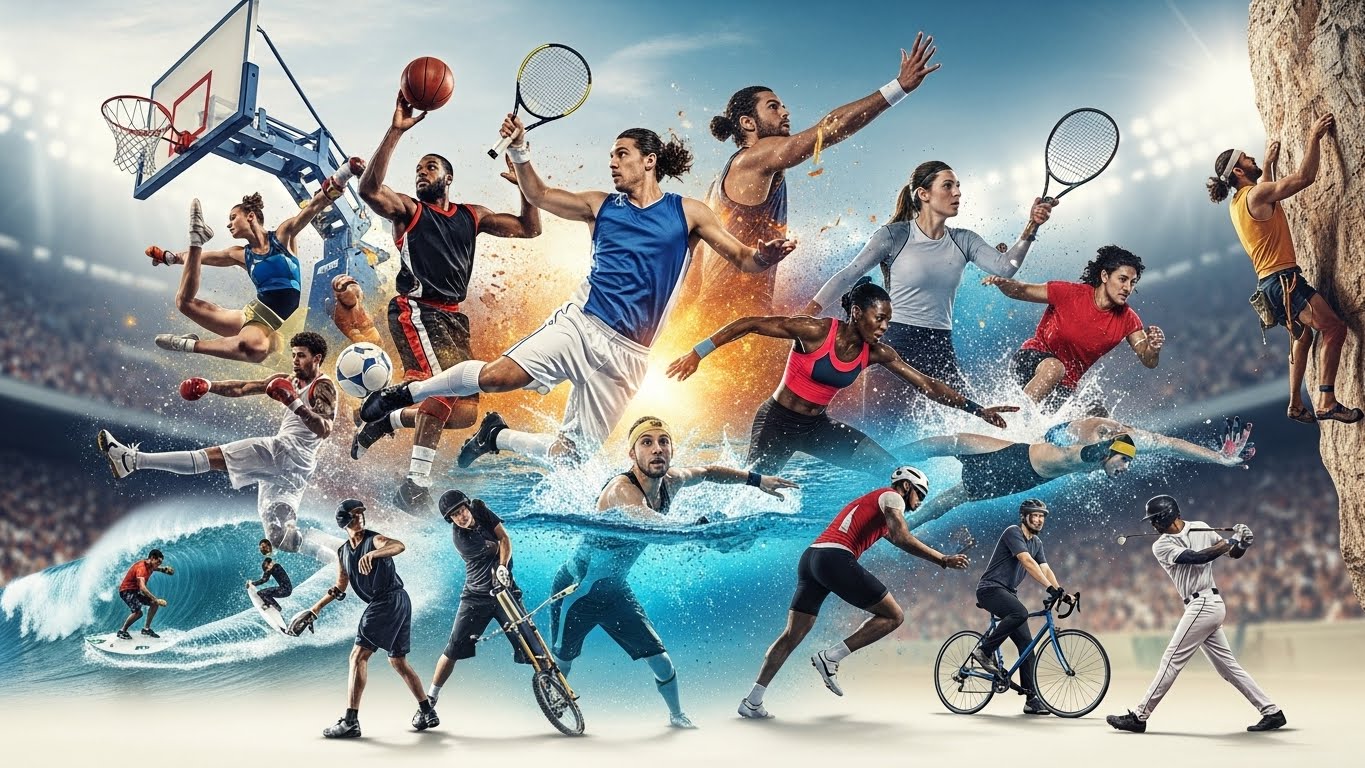
Sports have always held a unique place in human society. Beyond mere competition, sports bring people together, teach essential life skills, and create a shared sense of identity across cultures. From ancient times when the Olympics celebrated physical prowess and excellence to modern-day global tournaments that captivate billions, sports continue to be more than just games. They are a reflection of human determination, discipline, and the relentless pursuit of greatness. In this blog, we will explore the multifaceted world of sports, its impact on society, and the lessons it imparts beyond the playing field.
The Historical Significance of Sports
Sports have existed since the dawn of civilization. Ancient civilizations such as the Greeks and Egyptians viewed athleticism as an integral part of life, linking physical activity with honor, spirituality, and societal status. The Olympics, which began in 776 BC in Greece, were more than a showcase of skill; they were a cultural phenomenon that brought city-states together in celebration and competition. Similarly, other ancient societies developed their own forms of sports, from wrestling in Mesopotamia to chariot racing in Rome. These early sports laid the foundation for modern athletic competitions and highlighted the universal human desire to test physical limits and achieve greatness.
The Psychological Benefits of Sports
Participation in sports offers immense psychological benefits. Physical activity stimulates the release of endorphins, which reduce stress and elevate mood. Regular involvement in sports is also linked to improved mental health, including lower levels of anxiety and depression. Beyond the physiological effects, sports teach mental resilience. Athletes learn to cope with failure, embrace challenges, and persevere under pressure. These psychological benefits are not confined to professional athletes. Recreational players, students, and enthusiasts all experience improved self-confidence, discipline, and emotional regulation through consistent sports participation.
Sports as a Catalyst for Social Integration
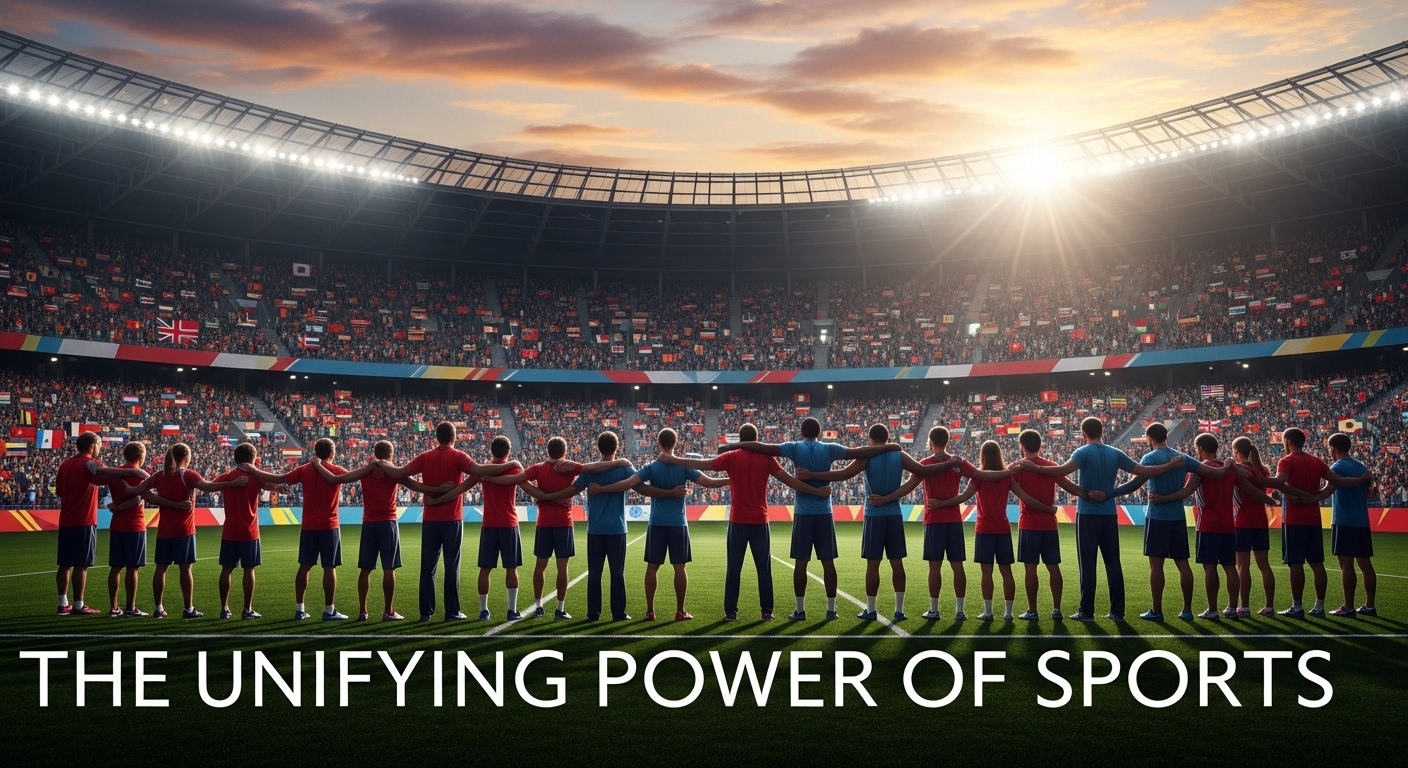
One of the most remarkable aspects of sports is their ability to transcend cultural, social, and economic barriers. On playgrounds, fields, and stadiums, individuals from diverse backgrounds come together to compete and collaborate. Sports foster camaraderie and social cohesion, offering a sense of belonging and shared purpose. Initiatives that promote community sports programs have demonstrated the power of athletics to reduce social tensions, promote inclusion, and support youth development. In many ways, sports act as a universal language, bridging differences and building connections where other means might fail.
Life Skills Learned Through Sports
The lessons sports teach extend far beyond physical fitness. Team sports, in particular, cultivate essential life skills such as communication, leadership, and strategic thinking. Players learn how to navigate conflicts, motivate peers, and work toward a common goal. Individual sports, on the other hand, emphasize self-discipline, personal accountability, and time management. These skills are transferable to professional and personal life, making sports an invaluable tool for holistic development. Parents, educators, and coaches often highlight the importance of nurturing these qualities, emphasizing that the true value of sports lies not just in winning, but in the character-building journey it provides.
Sports and Cultural Identity
Sports often serve as a powerful symbol of cultural pride and identity. National teams, iconic athletes, and local clubs become sources of collective pride, uniting communities and nations. Events such as the FIFA World Cup or the Olympics evoke deep emotional investment, with fans celebrating victories as shared accomplishments. Sports can also preserve cultural heritage by maintaining traditional games and competitions, fostering an appreciation for history and cultural diversity. The sense of belonging that comes from cheering for a team or supporting a local club creates social bonds that endure across generations.
The Role of Sports in Education
Schools and educational institutions recognize the importance of sports in developing well-rounded individuals. Participation in school sports programs improves physical health, enhances cognitive development, and encourages teamwork. Student-athletes often exhibit higher levels of concentration, better time management skills, and improved academic performance. Moreover, sports in education promote inclusivity, providing opportunities for students of all abilities to engage, contribute, and excel. Many educational systems have integrated physical education and competitive sports as essential components of curricula, acknowledging that physical development is as crucial as intellectual growth.
Technological Advancements and Sports
Modern technology has transformed the way sports are played, analyzed, and consumed. From advanced training equipment to sophisticated data analytics, athletes now have access to tools that enhance performance and reduce injury risks. Video replay systems, wearable sensors, and performance-tracking software allow coaches and players to refine techniques and develop strategies with unprecedented precision. Additionally, technology has revolutionized fan engagement, bringing live matches, interactive broadcasts, and virtual experiences to audiences worldwide. While these innovations enhance performance and accessibility, they also raise ethical considerations, including fairness, privacy, and the balance between human skill and technological assistance.
The Economic Impact of Sports
Sports are not just culturally significant; they are economic powerhouses. Professional leagues, tournaments, and events generate billions in revenue, creating employment opportunities, driving tourism, and boosting local economies. Sports merchandising, sponsorships, and media rights have turned athletic competitions into major business ventures. Beyond professional sports, community and recreational programs contribute to local economic development by supporting infrastructure, employment, and small businesses. This economic dimension underscores the multifaceted influence of sports, extending their relevance far beyond the playing field.
Challenges and Controversies in Sports
Despite the many benefits, sports are not without challenges and controversies. Issues such as doping, corruption, inequality, and commercialization can undermine the integrity of competitions. Gender disparities, lack of access to resources, and political interference sometimes prevent athletes from reaching their full potential. Addressing these challenges requires transparent governance, ethical practices, and equitable opportunities for all participants. Recognizing these pitfalls allows sports organizations and societies to preserve the essence of fair play, teamwork, and passion that make sports so compelling.
The Future of Sports
The future of sports promises to be dynamic and innovative. Emerging trends include e-sports, hybrid training methods, and sustainable sports initiatives aimed at reducing environmental impact. Social movements and technological integration will continue to reshape the way sports are played, viewed, and celebrated. Importantly, the core values of sports—discipline, teamwork, resilience, and joy—will remain central to their appeal. As society evolves, sports will continue to inspire, connect, and empower people across generations, proving that the spirit of athleticism is timeless.
Conclusion
Sports are far more than a form of entertainment. They are a reflection of human potential, a medium for social cohesion, and a source of physical and mental well-being. Through participation, spectatorship, and shared enthusiasm, sports teach valuable life lessons, celebrate cultural identity, and drive economic and technological progress. Whether through the exhilaration of victory, the resilience built through challenges, or the friendships forged along the way, sports touch lives in ways that transcend the boundaries of the game. In a rapidly changing world, the enduring power of sports reminds us that some human experiences—passion, perseverance, and connection—are universal and timeless.